Table of Contents
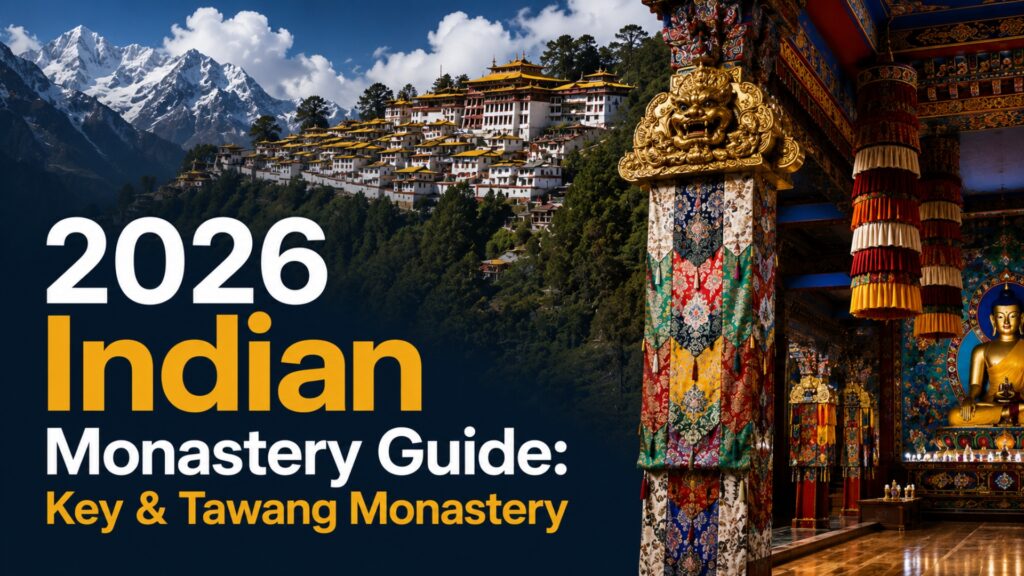
India hides spiritual gems at high altitudes across the Himalayas. Each Indian monastery reflects centuries of Buddhist history, architecture, and spiritual traditions. Key Monastery is situated in the Spiti Valley, Himachal Pradesh, at an elevation of over 14,000 feet. Tawang Monastery rises in Arunachal Pradesh, Northeast India. Tibetan Buddhist monks have lived in both places for centuries. Snow-capped peaks surround these ancient structures year-round.
This blog covers everything you need to know. Read on for history, travel routes, and insider tips.
Key Monastery: The Crown Jewel of Spiti Valley
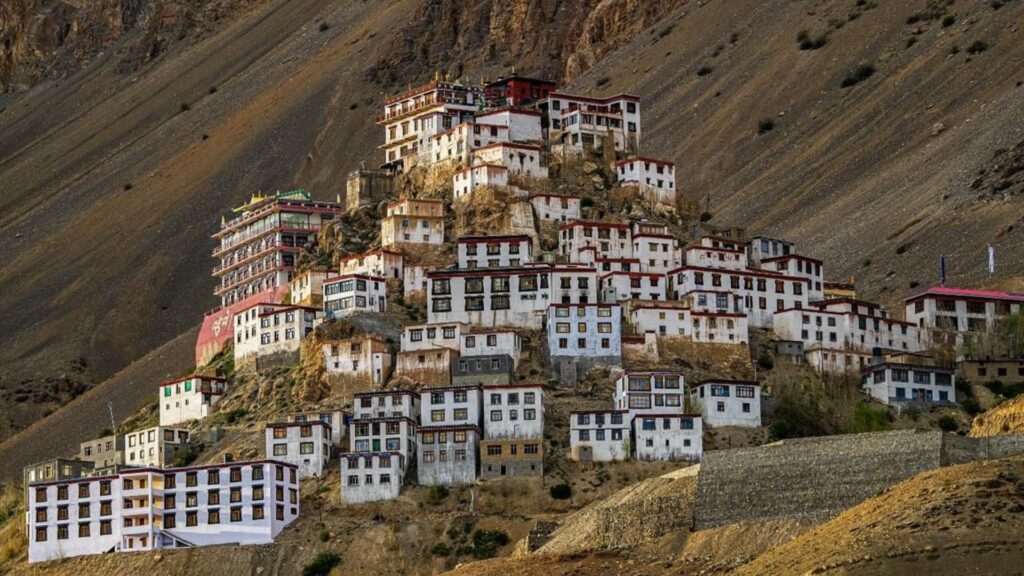
- Location and Altitude Details: Key Monastery stands at 4,166 meters (13,668 feet). It is situated 12 kilometres from Kaza, the headquarters of the Spiti district. The monastery overlooks the Spiti River below.
- A Brief History of Key Monastery: Dharama Pala founded a key Monastery in the 11th century. Mongol armies attacked it multiple times over centuries. Fires destroyed parts of it more than once. Earthquakes shook its foundations too. Monks rebuilt it each time with dedication.
Today, around 250-300 monks study here. The monastery follows the Gelugpa sect of Tibetan Buddhism. This sect traces its roots back to Tibet directly.
You can also explore: Why Lakhamandal Temple worth visiting
Architecture That Tells a Story
- The Maze-Like Structure: Key Monastery looks like a fort from the outside. Builders stacked rooms, temples, and living quarters on top of each other. Narrow corridors connect different levels randomly. First-time visitors often get lost inside.
- Murals, Manuscripts, and Sacred Artefacts: Ancient murals cover the walls inside. Monks painted these using pigments centuries ago. The monastery houses rare manuscripts and musical instruments, too. Buddhist scriptures fill several rooms here.
- The Prayer Hall Experience: The main prayer hall has large Buddha statues. Monks chant prayers here every morning. Visitors can sit quietly and observe the ritual. Photography rules apply inside, so check before clicking.
Best Time to Visit Key Monastery
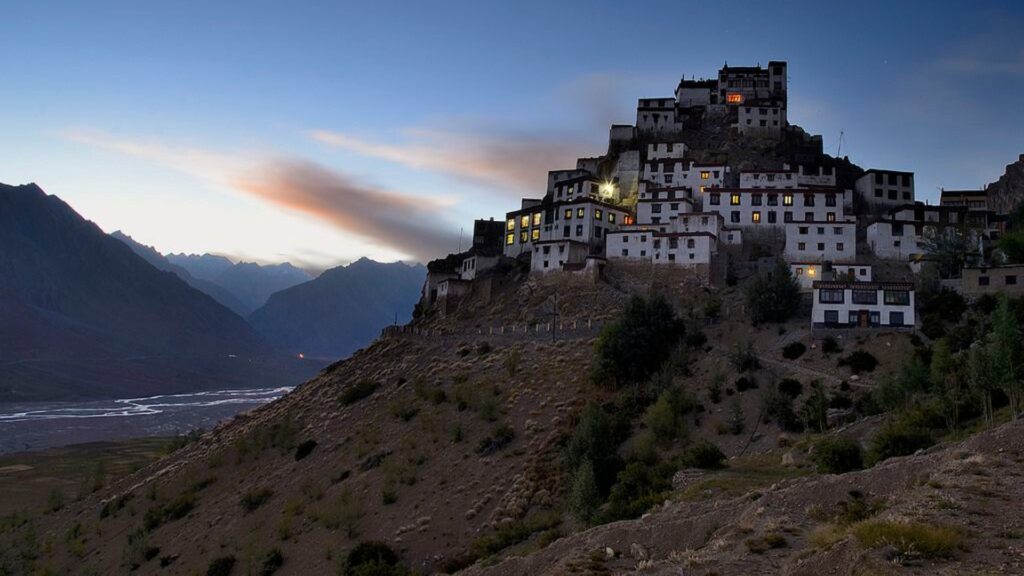
- Summer Season (May to September): Summer brings the easiest access to the Spiti Valley. Roads stay open, and temperatures hover around 15-20°C. This period sees maximum tourist footfall.
- Winter Season (October to April): Winter transforms the Spiti into a frozen wonderland. Temperatures drop below -20°C regularly. Heavy snowfall blocks several roads completely. Only adventurous travellers attempt winter visits.
- Festival Calendar at Key Monastery: The Chakhar Mela festival happens every three years. Monks perform masked dances during this celebration. Cham dance performances also take place during Losar, the Tibetan New Year.
How to Reach Key Monastery
- By Air: The nearest airport is Bhuntar Airport in Kullu. It’s 245 kilometres from Key Monastery. Limited flights operate from Delhi and Chandigarh.
- By Rail: Joginder Nagar Railway Station connects to the Spiti Valley. The Journey covers approximately 320 kilometres by road after that. Most travellers prefer road trips from Shimla instead.
- By Road: Two main routes lead to the Spiti Valley. The Shimla-Kinnaur route normally takes 2 days. The Manali-Kaza route opens only in the summer months. Both routes give stunning mountain views throughout.
Permits and Documentation Required
- Inner Line Permit (ILP) Requirements: Indian citizens don’t need permits for most of the Spiti Valley. Foreign nationals require an Inner Line Permit for certain border areas. Apply through the District Magistrate’s office in Kaza.
- Documents to Carry: Carry a valid government ID at all times. Keep extra passport photos handy for permit applications. Vehicle documents matter if you’re driving your own car.
Places to Explore Near Key Monastery
- Kibber Village: Kibber sits at 4,270 meters, higher than Key Monastery itself. This Village holds the record for one of the most motorable villages globally. Snow leopards roam nearby during the winter months.
- Chicham Bridge: Asia’s highest bridge connects Kibber to Chicham village. The bridge spans a deep gorge dramatically. Adventure seekers love this spot for photography.
- Tabo Monastery: Tabo Monastery dates back to 996 AD. Locals call it the ‘Ajanta of the Himalayas’ because of its murals. It’s a 48-kilometre drive from Kaza.
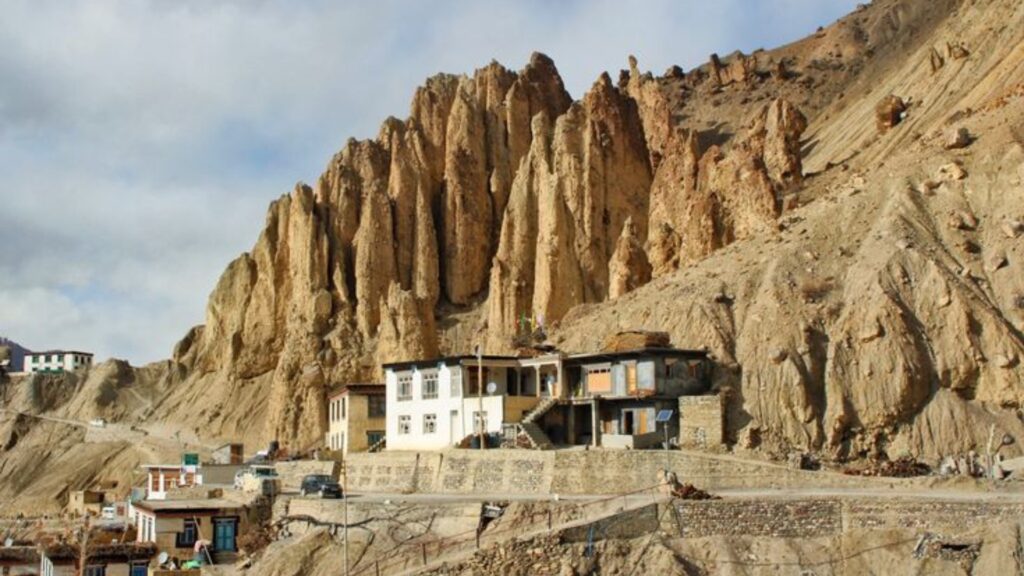
- Dhankar Monastery and Lake: Dhankar Monastery perches on a cliff edge dramatically. A short trail leads to Dhankar Lake nearby. The views here rank among Spiti’s best.
Tawang Monastery: Northeast India's Crown Jewel
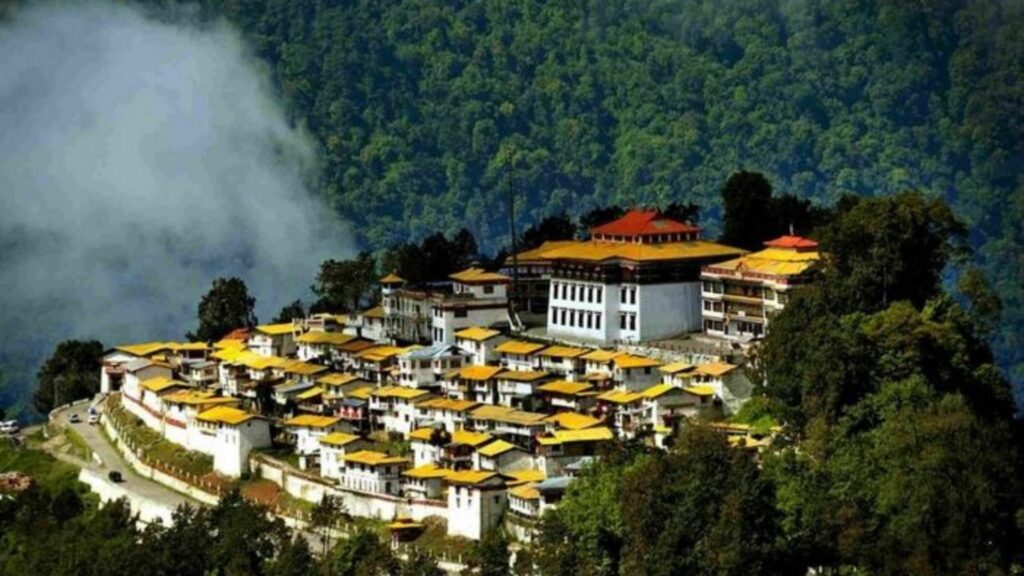
- Location and Significance: Tawang Monastery sits at 3,048 meters in Arunachal Pradesh. Tawang Monastery is the largest monastery in India and the second-largest monastery in Asia. The monastery overlooks the entire Tawang town below.
- History of Tawang Monastery: Merak Lama Lodre Gyatso founded Tawang Monastery in 1680-81 AD. The monastery follows the Gelugpa sect, same as Key Monastery. Over 500 monks study here currently.
- Architecture and Library: The monastery building stands three storeys tall. A massive library inside holds ancient Buddhist scriptures. Golden statues of Buddha dominate the main hall.
Where to Stay Near Key Monastery
- Monastery Guesthouse Options: Key Monastery itself runs a small guesthouse. Rooms remain basic but clean here. Monks serve simple vegetarian meals to guests.
- Homestays in Kaza: Kaza offers numerous homestay options for budget travellers. Local families open their homes warmly. Meals include local Spiti cuisine, typically.
- Hotels and Camps: A few mid-range hotels operate in Kaza town. Camping options exist near the riverside, too. Book accommodations early during peak season.
Local Food and Cultural Tips

- Must-Try Spiti Cuisine: Try thukpa, a hearty noodle soup popular here. Momos remain a local favourite snack option. Sea buckthorn juice provides vitamin C in this high-altitude region.
- Cultural Etiquette at the Monastery: Remove shoes before entering prayer halls. Speak softly inside the monastery premises. Ask permission before photographing monks directly.
Time to Plan Your Himalayan Adventure
Key Monastery and Tawang Monastery are more than high-altitude landmarks. They preserve centuries of Buddhist traditions, ancient art, and a way of life rooted in the Himalayas. A visit here is not just about reaching a destination but about witnessing morning prayers, walking through centuries-old prayer halls, meeting local communities, and taking in mountain landscapes that stay with you long after the journey ends.
From Key Monastery in Spiti to the largest monastery in India, Tawang Monastery, each destination offers a unique glimpse into Himalayan Buddhist culture. If you’re planning to visit an Indian monastery, Key Monastery and Tawang Monastery deserve a place at the top of your itinerary.