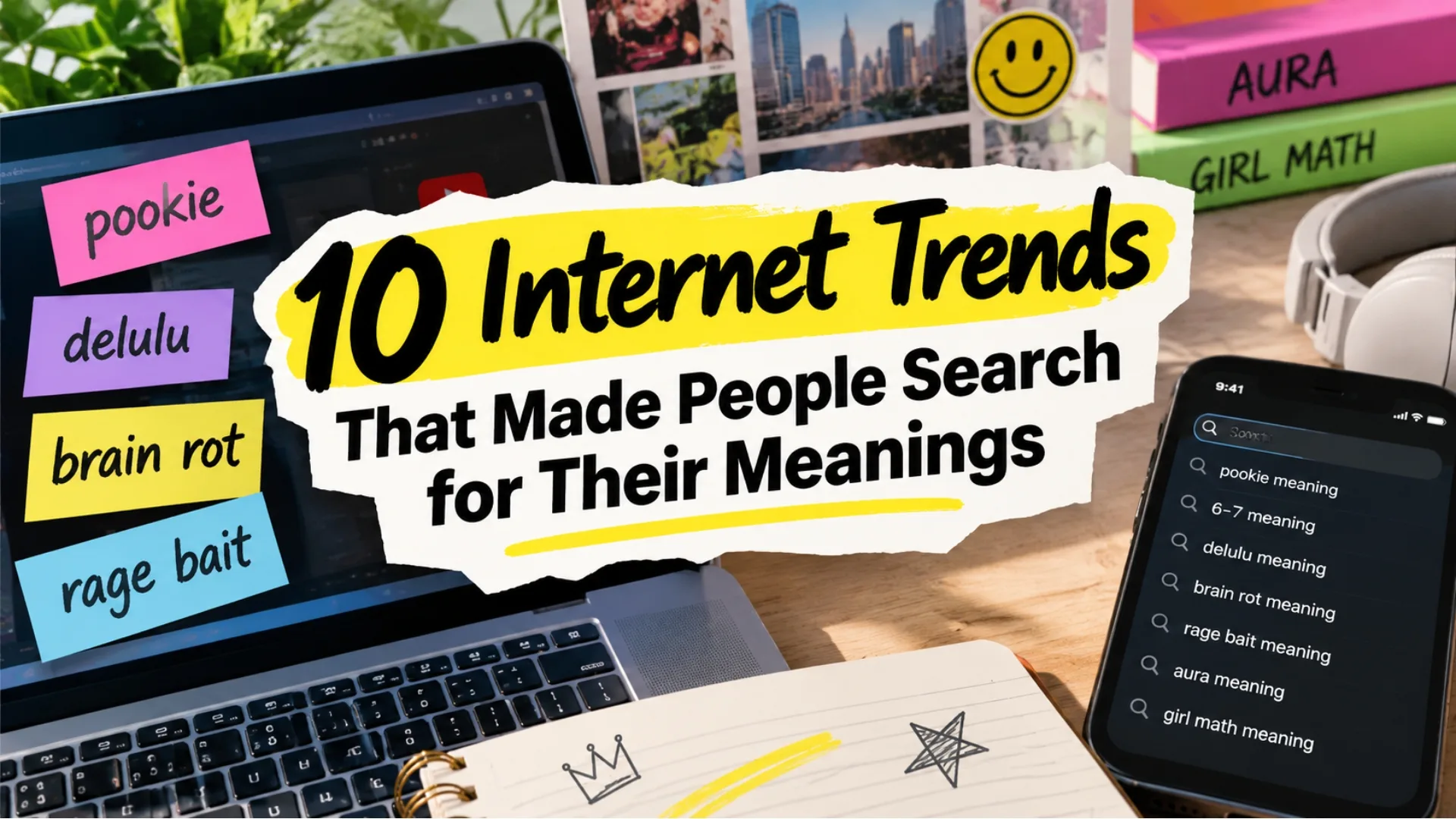
A random word can become common knowledge online within days.
You see ‘pookie’ in an Instagram comment one day. The next day, people are talking about ‘aura’, ‘girl math’ and ‘delulu’. You know a few of them. The rest leave you wondering what everyone is talking about.
Most of these words began as jokes, memes or phrases from small online communities. Instagram Reels, YouTube videos and other platforms then pushed them to millions of people. Viewers who had never heard them started searching for their meanings.
That is why internet slang, viral phrases and trending internet terms now show up in everyday searches. Here are 10 internet trends and terms that sent people to look up what they meant.
#Read Also: Stay Motivated in Busy Life
10 Internet Trends and Their Meanings
New words and phrases can spread across social media in just a few days. Here are 10 internet trends that became popular and made people search for what they actually mean.
1. Pookie
Pookie is a cute nickname for someone you love. People use it for a partner, a close friend, a favourite celebrity or a pet.
The word is not new. What changed is how social media users use it. It started showing up in memes, videos and comments, in an exaggerated and funny way.
Someone calls their favourite actor “pookie”. Another person gives their best friend the same name. People also use the word as a joke, so it does not mean the two people are in a relationship.
Its popularity shows how viral slang words move from small online communities into everyday social media conversations.
People kept seeing the word with no context, so they searched for the meaning of pookie.
2. 6-7
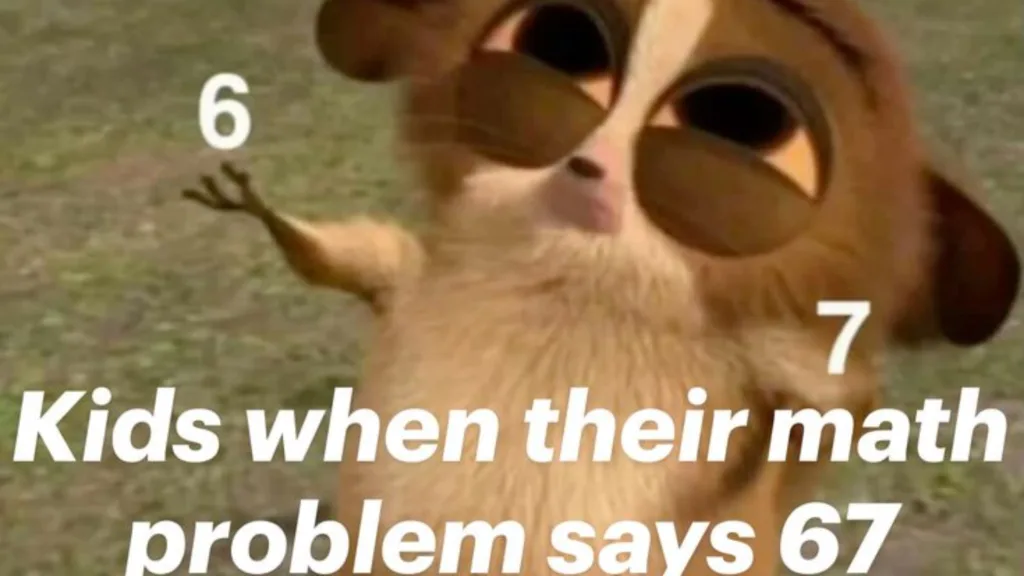
6-7 was one of those viral internet terms that confused many people at first sight.
The phrase spread through social media videos, memes and jokes. Younger users kept repeating it. Soon it was in comments and conversations far from the original posts.
Part of the pull was the randomness. People who knew the trend understood the reference. Everyone else wondered why two numbers were suddenly everywhere.
That led to searches for the 6-7 meaning.
It also shows that internet trends do not need a clear explanation to catch on. Repetition, humour and a strong online community are enough.
3. Delulu
Delulu is short form for ‘delusional’. People use it in a playful way, not as a serious description of someone’s mental state.
You call yourself delulu when you have convinced yourself that something unlikely will happen.
For example, your favourite celebrity likes one of your posts. You start imagining a deeper connection. Then you joke that you are being ‘delulu’.
The word became common in Gen Z slang. Now it shows up in captions, memes and casual online conversations.
It works as an internet language because it is short and easy to turn into a joke. Once people saw it repeatedly, searches for the delulu meaning followed.
4. Brain Rot
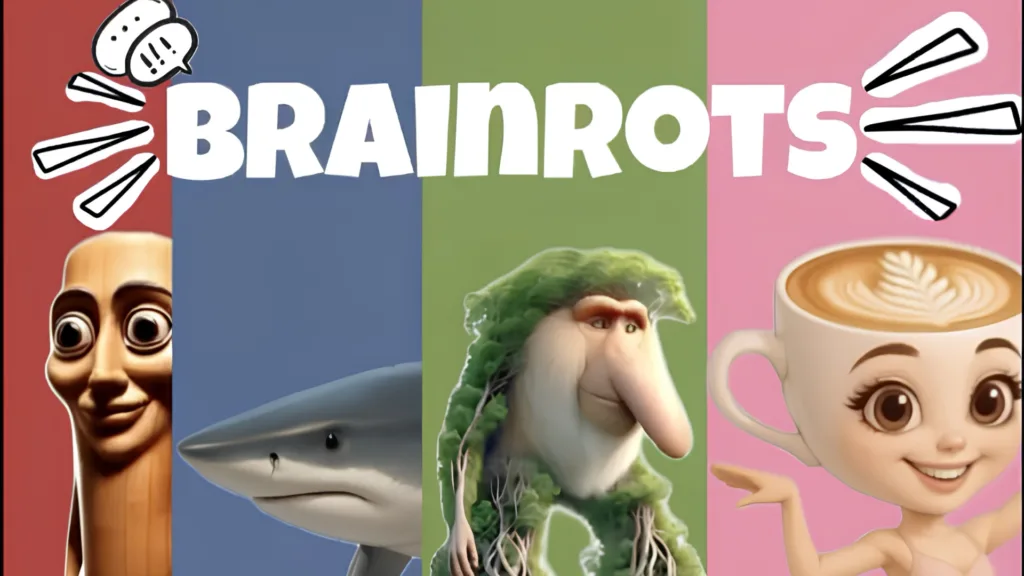
“Brain rot” sounds serious, but online people use it as a joke.
The term describes spending hours on silly, repetitive or strange content. It also describes the content itself: memes, videos or jokes that make little sense but are impossible to stop watching.
For example, you watch the same type of short videos for an hour. Then you say, “I have brain rot.”
The phrase is closely tied to short-form video culture. It is now one of the popular internet terms for the strange side of spending too much time online.
It also gave people a way to joke about their own internet habits instead of taking them too seriously.
5. Rage Bait
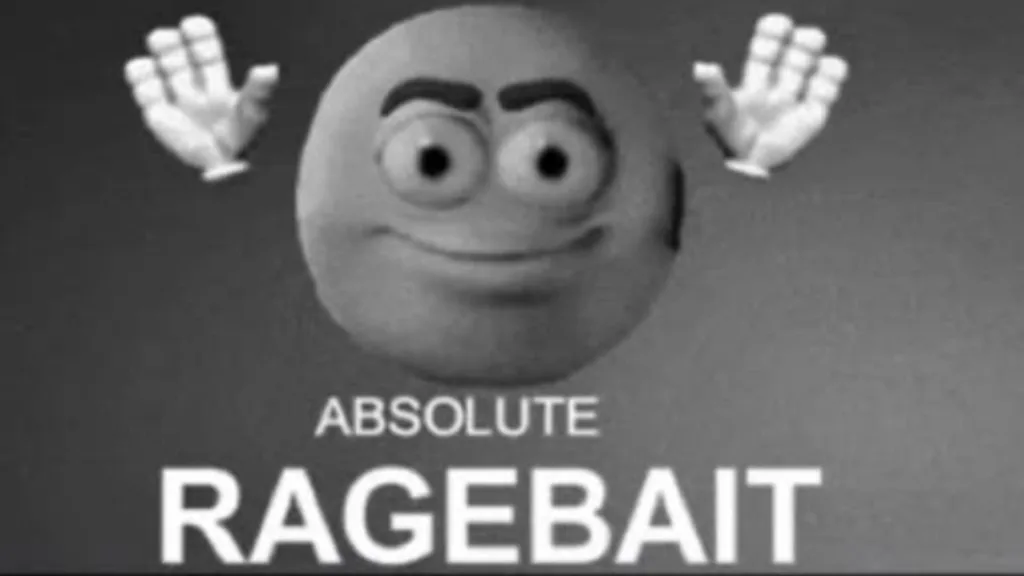
Rage bait is content that makes people angry on purpose.
The idea is simple. A creator posts something they know will annoy people. Viewers rush to the comments to disagree, argue or share the post with someone else.
The creator gets more attention because the post triggers a strong reaction.
Not every controversial opinion is rage bait. Some people genuinely hold an unpopular opinion. Rage bait deliberately provokes outrage, because the reaction itself brings more views and comments.
The term became common as people started paying closer attention to how social media works.
It now sits in conversations about social media slang, online behaviour and social media trends 2026.
6. De-influencing

Influencers spent years telling people about products they love. De-influencing took the opposite approach.
Instead of saying, “You need this,” creators started saying, “You don’t need this.”
A creator talks about an expensive skincare product that did not work for them. Another points to a gadget that was not worth its price, or a viral product people bought only because everyone else did.
The trend grew among people tired of constant product recommendations.
It also made people question how much social media shapes their buying decisions. Do they want the product, or have they just seen it 20 times?
De-influencing became one of the viral internet trends tied to changing shopping habits. Many people first learned the term by searching for its meaning.
7. Side Quest
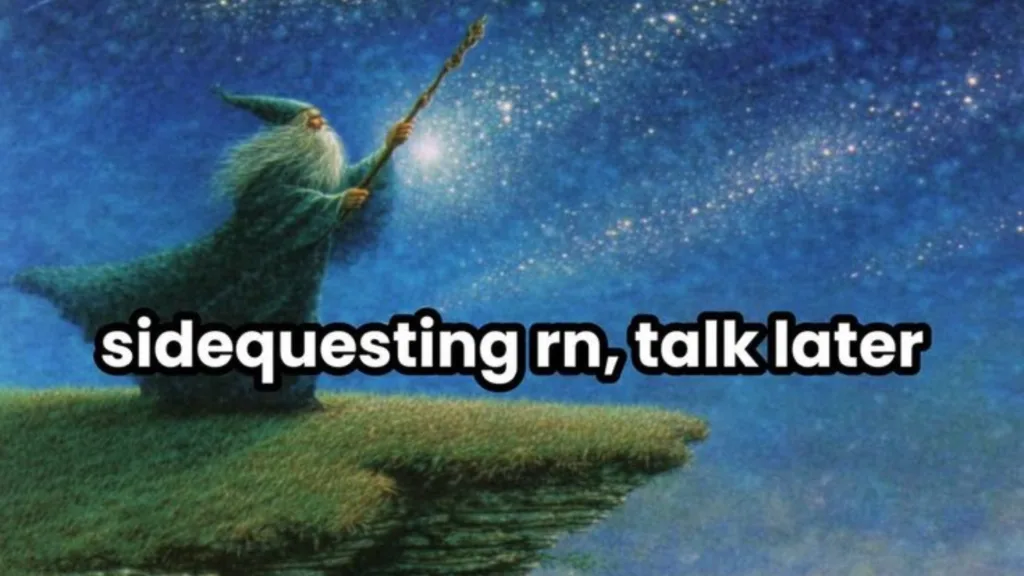
Side quest comes from gaming.
In a video game, a side quest is a smaller task you do alongside the main mission. Online, people use the phrase for random activities that happen in everyday life.
Say you leave home to buy one thing. You end up spending an afternoon in a new neighbourhood, finding a small café or a bookshop you never noticed.
That unplanned detour becomes your “side quest”.
The term caught on because it makes ordinary moments sound more interesting. Give a boring errand a name, and it turns into an adventure.
You now find the phrase in captions, memes and viral phrases shared by younger users.
It has reached travel conversations too, especially among people who leave room for unplanned activities.
8. Situationship
A situationship is a relationship that is more than friendship but has no clear label.
Two people spend a lot of time together. They go on dates, talk every day and act like a couple. Neither person has said they are in a relationship.
The term caught on because it gave people a simple word for a complicated situation.
Dating already has plenty of terms, but situationship became one of the most recognisable pieces of modern online slang.
It is now common in memes, relationship videos and social media discussions.
Someone who heard the word but was unsure of its exact meaning ended up searching for situationship meaning.
9. Girl Math
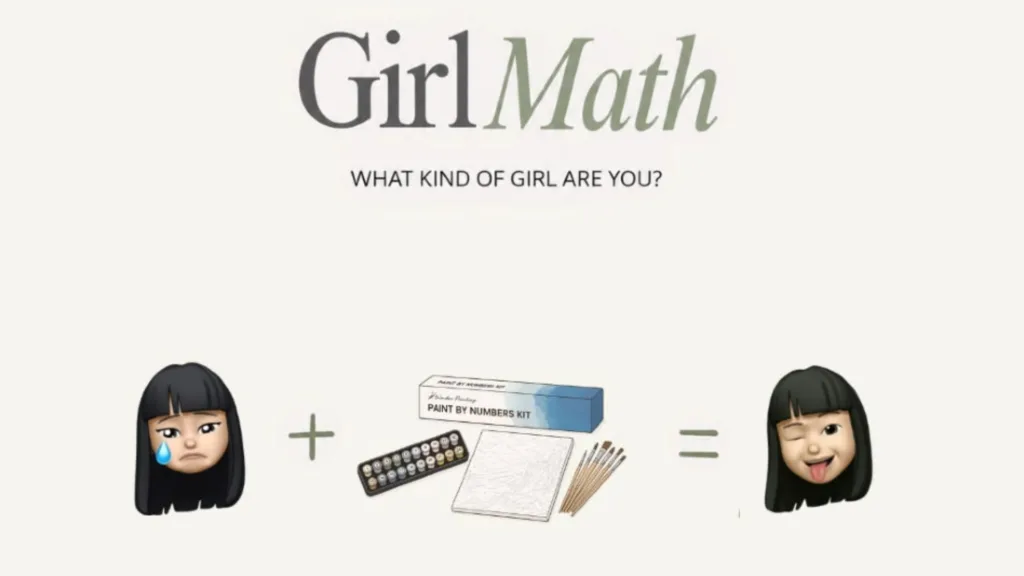
Girl math is a humorous phrase for the funny ways people justify spending money.
Someone buys an expensive item and decides it was basically free because they paid with cash they already had. Another person calls a costly dress a good buy because they plan to wear it many times.
Nobody takes the calculations seriously.
The joke is about inventing a clever reason to be happy with a purchase.
“Girl math” spread through short videos and social media conversations. People shared their own examples, which pushed the phrase further.
It became one of the trending internet words that moved beyond social media into everyday conversations.
It also shows how online jokes turn ordinary habits, such as shopping, into a shared cultural reference.
10. Aura
Aura is another word that existed long before social media. Online, it carries a slightly different meaning.
Having “aura” means having confidence, presence or a quality that makes someone look cool.
Someone who walks into a room confidently has aura. A person who handles an embarrassing moment badly “lost aura”.
The word became popular among younger internet users. People use it in memes, sports clips, celebrity videos and everyday jokes.
This is one reason Gen Z terms confuse people. An existing word suddenly gets a new meaning online.
Search for the aura meaning in social media conversations, and you will see it describes confidence or a person’s presence.
Why Do Viral Internet Terms Spread So Quickly?
No fixed path decides which word goes viral.
A word starts with a meme, a celebrity, a creator, a gaming community or a random video. Someone repeats it. Another person copies it. Soon the same phrase runs across platforms.
Instagram Reels and YouTube Shorts speed this up. A video reaches people who have never seen the original creator and do not know where the phrase came from.
This is why viral trends in India look completely different within a few weeks. A phrase that was unfamiliar at the start of the month is common in comments by the end of it. Search plays a big role too.
When people keep seeing a new word, they want to know its meaning before they use it. That drives searches around the meaning of viral words, trending phrases and viral words and their meanings.
Why Are People Searching for New Internet Words?
One reason is simple. Nobody wants to be left out of a conversation.
A word shows up in hundreds of comments, and you do not know it. A quick search takes only a few seconds.
Knowing a word is different from knowing how people use it. A dictionary gives the basic meaning. Social media gives the word a different tone.
‘Pookie’, ‘aura’ and ‘delulu’, for example, are mostly jokes. Their meaning shifts slightly with the person, video or situation.
That is why searches for trending words, popular internet terms and Gen Z slang words and their meanings keep coming as new trends arrive.
How Internet Slang Is Changing Online Conversations
Internet language does not stay still.
Some words vanish after a few weeks. Others stay long enough to become everyday speech. A few moves beyond social media into mainstream conversations.
For younger users, these terms are normal. For someone who spends less time online, the same conversation sounds confusing.
That small gap makes internet language interesting. People no longer search only for news or products. They also search for the words that describe what they see online.
New internet trends and their meanings will keep arriving as social media
changes.
So, the next time a strange word repeats across Instagram, YouTube or a group chat, you are not the only one wondering. Thousands of other people are searching for the same answer.