
You know that feeling when you land your first job in a big city. You are excited. You are earning more, you have your own place, and you finally have some independence. Then the salary hits your account, and you start doing the maths. Rent goes out first, then groceries, electricity, the metro and the phone bill. Somehow, by the middle of the month, that great salary doesn’t look so great anymore.
It happens to almost everyone who moves for work. You come for the career, and then you are stuck wondering how you will save anything, let alone enjoy the city. World Cities Day is on 31 October, and it’s about how cities grow and who they are really for. So, it’s a good time to ask something simple. Can people actually afford to live in the cities where they work?
What Is the Cost of Living in Indian Cities?
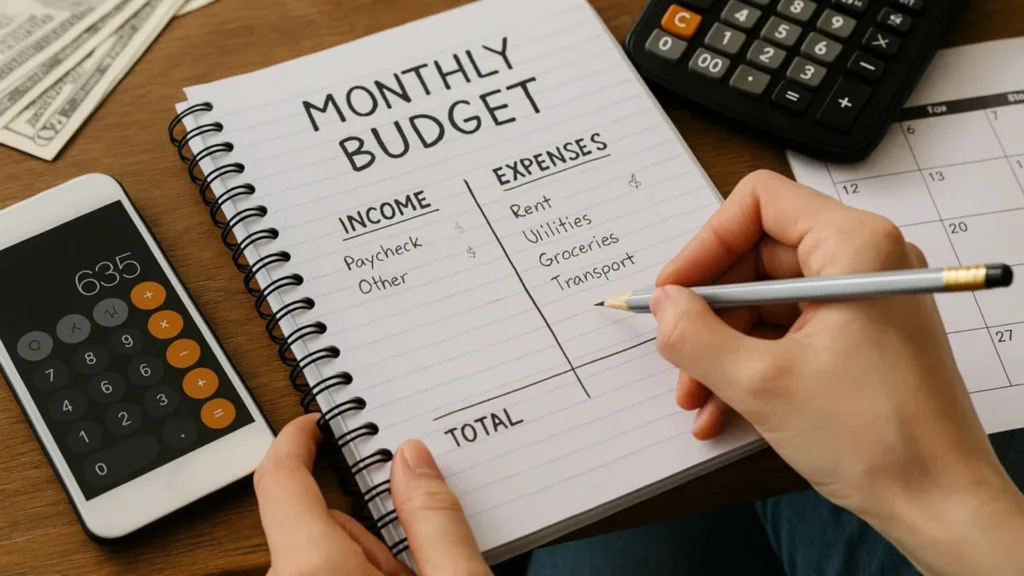
Then there are the one-time costs people forget about. When you move for a first job, you have to pay a security deposit, buy things for the house and handle the move itself.
Here’s what a working professional’s monthly budget usually looks like”.
| Expense | What it includes |
|---|---|
| Rent | A flat, a room or shared accommodation |
| Food | Groceries, meals and eating out |
| Transport | Metro, bus, cab or fuel |
| Household Bills | Electricity, water, internet and mobile bills |
| Personal Expenses | Shopping, healthcare and entertainment |
| Savings | Money set aside for emergencies and future needs |
Why Is Rent So Expensive in Indian Cities?

Everybody wants to live close to work, college or a metro line. It saves time and makes life easier. So, of course, those areas cost more to rent. Say you work in Gurugram. You could stay somewhere cheaper, far from the office, and pay less rent, but you’ll spend hours on the road. Or you could pay more to live nearby and get that time back. People in Mumbai, Bengaluru and Delhi make this exact choice every day, weighing rent on one side against the commute on the other.
The kind of house matters too. A furnished flat already has a bed, a fridge and the basics, so you don’t have to buy anything, but the rent is higher. An unfurnished one costs less every month, though you’ll need a good amount of money to set it up. And then there’s the security deposit, which can eat a big chunk of your savings before you have even unpacked. If you are on your first salary, that upfront money can honestly be harder to manage than the rent.
Is Renting a House Alone More Expensive Than Sharing a Flat?

Living alone is great. You get your privacy, and you run the place your way. But you pay the full rent and every bill yourself.
- When you share a flat, you split the rent, electricity, internet and everything else with one or more people. If you are starting your career, that can make a big difference.
- It’s not all easy, though. You might share a room or a bathroom, follow house rules and adjust to other people’s schedules. Arguments over cleaning, guests, and who paid what happened often.
- So, if you are looking at a shared flat, check the total rent, the deposit, the location and the house rules. A cheap room far from work might not save you much once you add up the daily travel.
- For a lot of people, sharing is just the sensible option until their income catches up.
Are Smaller Indian Cities More Affordable Than Metro Cities?

Mumbai, Bengaluru, Delhi and Pune pull in people looking for jobs and growth. But in the busy business areas, rent can swallow a big part of your salary. Smaller cities like Indore, Jaipur and Coimbatore are worth looking at. Rent is lower, and commutes are shorter, so you may have more left for savings and daily life.
That said, rent isn’t everything. A cheaper city might not have many jobs in your field. Salaries can be lower, and public transport may not connect every neighbourhood to the main workplaces. Remote and hybrid jobs have changed this for some people. If you don’t need to go to an office every day, you’re no longer stuck with the big business hubs.
What really matters is how much you can earn in a city compared to what you’ll spend there. Cheaper rent doesn’t always mean a cheaper life.
How Can Working Professionals Manage the Cost of Living?
A few simple habits can make the month a lot easier.
- Decide your rent limit before you go house hunting. Work out what you need for food, travel, bills and savings first. Whatever is left is what you can spend on rent.
- Look at the full cost of each location. Add up the rent, the daily travel costs, and the time you’ll spend commuting. A cheaper house can end up costing more if it means a long, expensive trip to work.
- Think about sharing. Splitting rent and bills leaves you with more money for everything else. Just check the condition of the flat and the rental terms before you sign anything.
- Keep an eye on your regular spending. Food delivery, subscriptions and cabs seem small on their own, but they add up quickly. Once you go through your expenses, you’ll see where the money is actually going.
- Put some money aside for emergencies. Medical bills, repairs or a sudden trip can wreck a month’s budget. Even small, regular savings help.
These things do help individuals, but they won’t bring rents down across a whole city. For that, you need affordable housing and reliable public transport, and that’s up to city planners and policymakers.
Can People Afford to Build a Life in the Cities They Work In?
Moving to a big city for work is exciting, but the cost of living can quickly take the shine off that first salary. Rent, travel and daily bills add up, and the right choice is different for everyone. Whether it’s sharing a flat, living further out or trying a smaller city, what matters is how much you earn compared to what you spend. A little planning helps, but affordable housing and good public transport are what will make cities work for the people who live in them. This World Cities Day, that’s worth remembering.