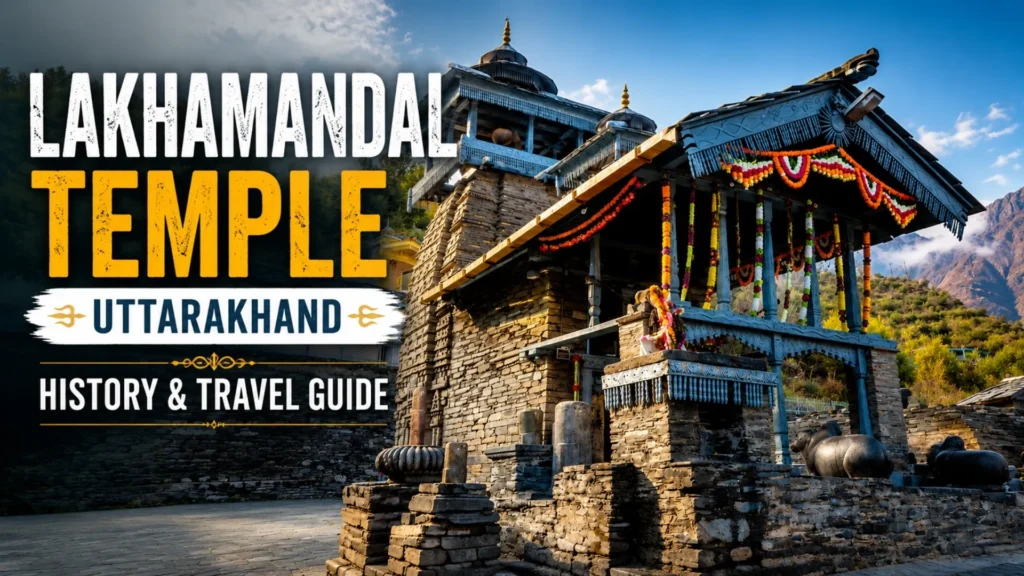
Most Uttarakhand trips follow a familiar route. People head to Mussoorie for mountain views. Some drive to Rishikesh. Others plan long pilgrimages to Kedarnath and Badrinath. A few spend their holidays around Nainital.
I had a similar plan. Lakhamandal was not part of it. In fact, I came across the name by accident. A local mentioned it during a conversation in Dehradun. He spoke about an ancient temple, a Mahabharata connection, and a quiet valley that very few tourists visit.
That was enough to spark my interest. A few days later, I found myself driving toward Lakhamandal. By the end of that trip, one question stayed with me.
Why don’t more people talk about this place?
If you are planning a trip through Uttarakhand, Lakhamandal deserves a spot on your itinerary. Here is why.
The Journey Sets the Mood
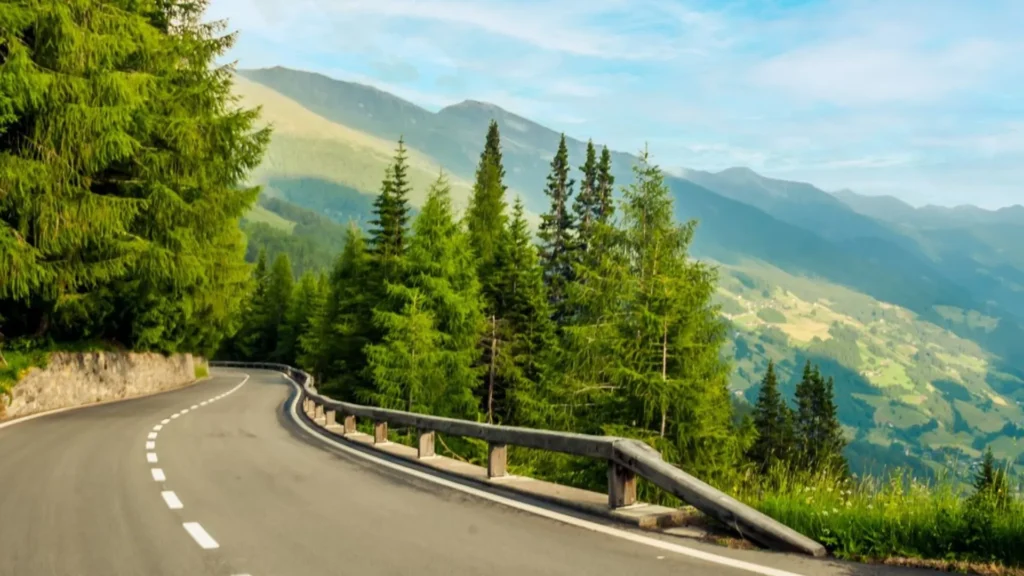
Life moved at a slower pace here. Children played near village homes. Farmers worked in the fields. Tea stalls stood quietly beside the road. The drive gave me a side of Uttarakhand that many travellers miss. There was no rush. No packed parking lots. No crowds trying to get the perfect photo. Just mountains, fresh air, and long stretches of road. That road made the trip worthwhile.
Lakhamandal Carries a Story That Goes Back Centuries
Many destinations attract visitors because of their natural beauty. Lakhamandal attracts visitors because of its story. The site has strong links with the Mahabharata.
According to local traditions, this region is connected with the famous Lakshagriha episode. The story tells of a palace built with highly flammable materials. The plan aimed to trap the Pandavas inside. A secret escape route saved them before disaster struck.
Locals have shared this story for generations. As you walk around the landscape differently. The hills no longer seem ordinary. The ruins carry a sense of mystery. The stories begin to blend with the surroundings. That is what makes Lakhamandal interesting. It is not just a temple visit. It is a journey into one of India’s greatest epics.
The Temple Complex Deserves More Attention
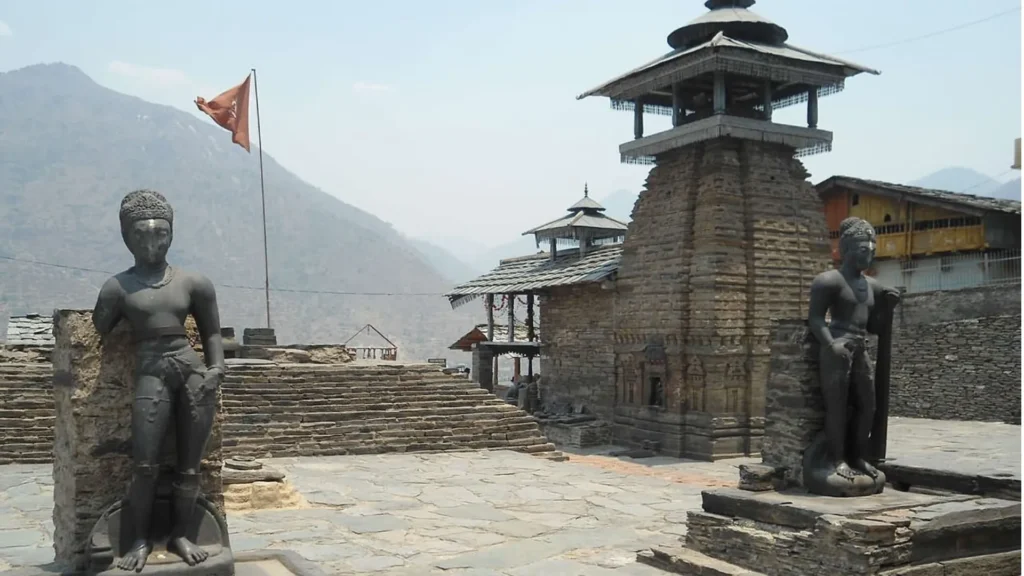
The temple does not rely on a grand scale. Its strength lies in the details. Ancient sculptures stand across the complex. Stone figures watch silently over the grounds. Each structure tells a different story. You can spend an hour here. There is always something new to notice.
History lovers will appreciate the craftsmanship. Photography enthusiasts will find plenty to capture. Spiritual travellers will find a peaceful setting for reflection. Very few places bring these experiences together in such a natural way.
The Absence of Crowds Changes Everything
Lakhamandal presents a completely different experience. I walked through the temple grounds at my own pace. There was no pressure to move quickly. No long queues. No loud tourist groups. No constant noise. I could stop wherever I wanted. I could sit quietly and observe the surroundings. That simple freedom made a huge difference. Travel becomes more enjoyable when you have time to absorb a place properly. Lakhamandal gives you that opportunity.
The Ancient Shiva Lingam Draws Curious Visitors
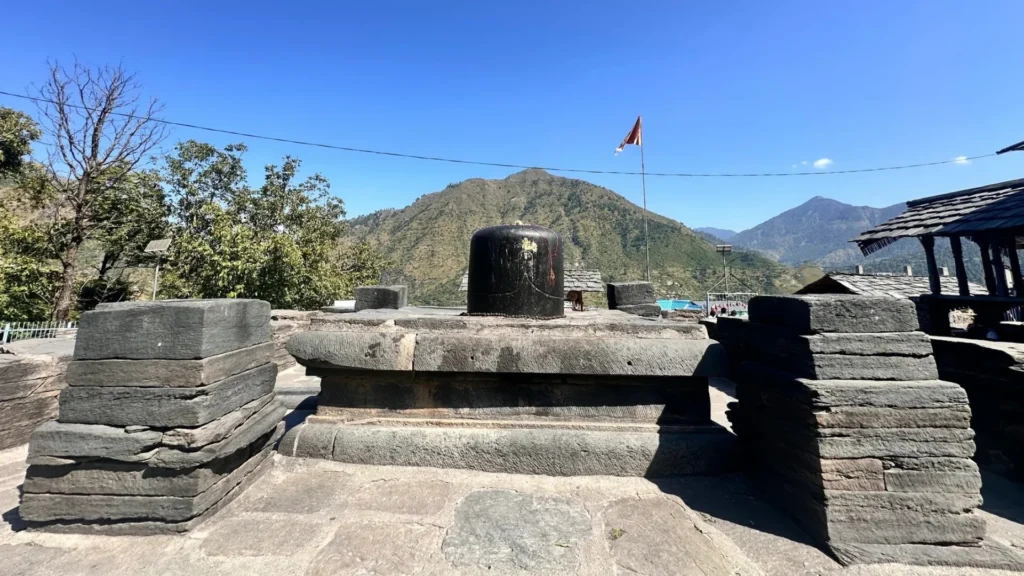
The experience becomes more meaningful because residents continue to preserve these traditions. The stories remain alive. They pass from one generation to the next. That connection between people and heritage gives Lakhamandal a unique identity.
The Setting Feels Untouched
I spent time simply walking around. No itinerary. No fixed schedule. Just an observation. That turned out to be the best part of the trip. Modern travel sometimes becomes a race. People rush through destinations. They chase checklists. Lakhamandal encourages a different approach. Spend time here. Slow down. Look around. The place rewards patience.
A Great Destination for History Enthusiasts
Walking through the complex feels like stepping into an open-air museum. The difference is simple. You are not looking at objects behind glass. You stand among them. That direct connection makes the experience more memorable.
Photography Enthusiasts Will Love It
I noticed photographers spending long periods around the complex. Some focused on cravings. Other captured wider landscape shots. The nearby villages also present interesting subjects. Traditional homes. Mountain roads. Local life. All of it contributes to a rich photography experience.
You Can also Explore: 33 Offbeat Places to Explore in Uttarakhand
Lakhamandal Shows a Different Side of Uttarakhand
Local conversations reveal stories that never make it into guidebooks. That cultural connection became one of the strongest memories from my trip. Travel is not just about monuments. It is also about people. Lakhamandal gives visitors a chance to connect with a region that remains largely untouched by mass tourism.
It Fits Easily Into Existing Travel Plans
Another reason to visit Lakhamandal is convenience. You do not need a separate week-long trip. Many travellers combine Lakhamandal with nearby destinations. Chakrata remains a popular choice. Dehradun works well too. Some travellers include Kalsi and Tiger Falls in the same journey. The routes connect comfortably. That makes Lakhamandal an easy addition to a broader Uttarakhand itinerary. A short detour can turn into the highlight of your trip.
The Spiritual Side Feels Genuine
You can sit near the temple and spend time in silence. No distractions. No rush. That simplicity leaves a lasting impression. You do not need to follow any particular belief system to appreciate the experience. Respect for history and tradition is enough.
Before you pack your bags, it's better to know the distance, Route, and Timing
A few practical details will help you plan the trip better.
- Distance from Dehradun: Lakhamandal sits about 128 km from Dehradun. The drive takes roughly 3 to 4 hours, depending on how many chai stops you make.
- Road map from Delhi: From Delhi, you cover close to 330 km. The route runs through Dehradun, then continues via Mussoorie, Kempty Falls, and Nainbagh before reaching Lakhamandal. Plan for a full day on the road, around 7 to 8 hours of driving.
- Best time to visit: March to June works well if you like clear skies and warm afternoons. September and October bring cooler air and greener hills.
- Months to skip: July and August bring heavy monsoon rain to this stretch. Landslides are common on the hill roads during this period, so it’s best to avoid the trip then.
Why Lakhamandal Stays With You
Lakhamandal works differently. Days after returning home, I still found myself thinking about the place. Maybe it was the stories. Maybe it was the landscape. Maybe it was the silence. Perhaps it was the combination of all three.
The temple carries history. The valley carries beauty. The legends carry mystery. Together, they form an experience that stays in your mind long after the journey ends.