Table of Contents
India is building fast. New cities keep rising, technology reshapes daily routines, and the pace rarely slows down. Progress is real, but something gets lost along the way. Himachal Pradesh culture offers a working example of what that something looks like, and how it survives alongside growth instead of blocking it. The mountains draw visitors first. What keeps people coming back is the strength of the communities, the closeness to nature, and the traditions that still run through daily life.
What Sets Himachali Culture Apart Today
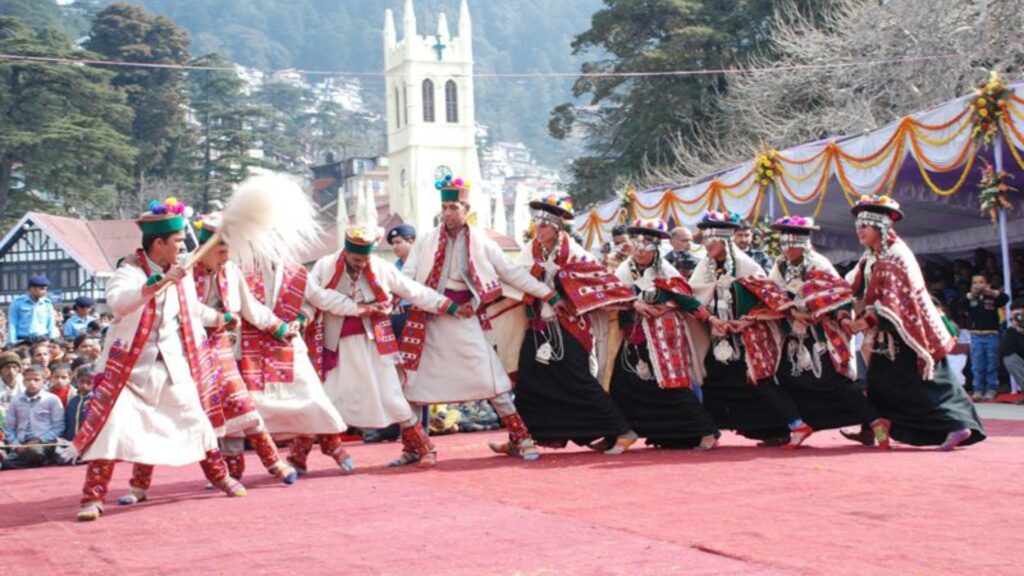
Visitors from Himachal Pradesh rarely describe a single monument or view. They describe a slower pace, a visible sense of community, and a closeness between people and the land they live on. Life in the hills runs on shared duties and old customs that haven’t been dropped for convenience. Growth has reached Himachal too roads, hotels, phone networks but it hasn’t erased the old ways. That combination is the real lesson for modern India.
Lesson 1: People Come Before Convenience
In most cities, neighbours barely know each other’s names. In Himachal Pradesh, villages still run on the devta system each village follows its own local deity, represented by a council and an oracle called a Gur. When a dispute comes up over land, water, or a family issue, the village brings it to the devta’s council instead of walking away from each other. This system has settled disputes in Kullu and Kinnaur villages for generations, and it still holds authority today. Modern India loses this the moment convenience takes over when avoiding a neighbour feels easier than resolving something with them.
Lesson 2: Respect Nature Before It Becomes a Crisis
Kangra Valley farmers still irrigate their fields through kuhls hand-built channels that carry glacial melt from streams to farmland, some running for centuries. A kohli, the traditional water master, manages the schedule so every farmer downstream gets a share. Over 700 major kuhls were recorded in the valley more than a century ago, and many still work today, with no pump involved. Cities dealing with water shortages could learn from a system built entirely on shared access instead of individual extraction.
Lesson 3: Hold On to Traditions
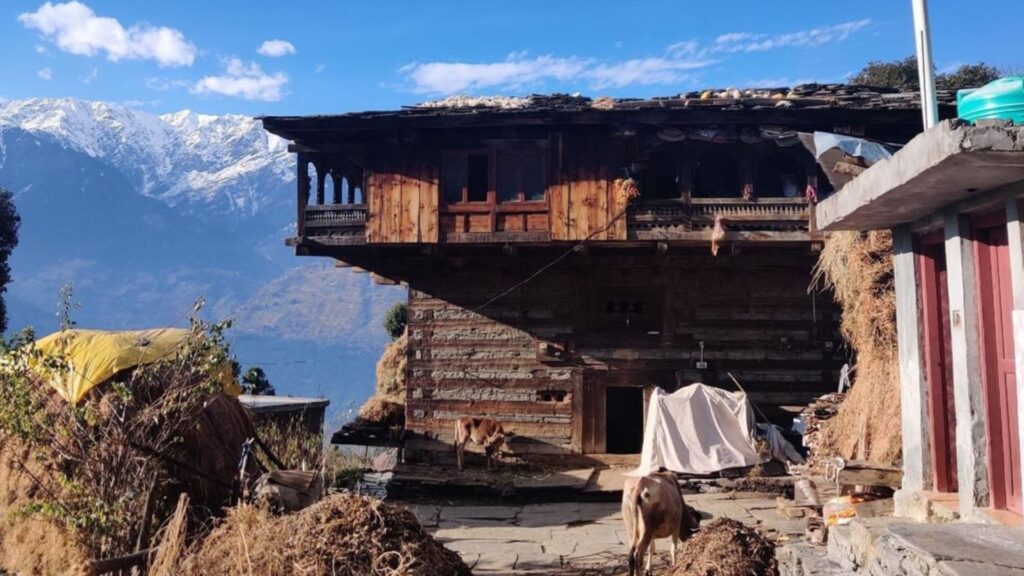
Villages like Chehni in Tirthan Valley still stand on Kath-Kuni architecture timber and stone construction with no cement, built by hand using deodar wood. The alternating wood-and-stone layers flex during an earthquake instead of cracking, which is why some of these structures have survived for centuries in a seismic zone. Newer buildings across India rarely plan for that kind of durability. Himachali cultural values treat a building method like this as inheritance, not just construction.
Lesson 4: Support the People Who Keep Traditions Alive
Chamba Rumal embroidery is a Himachali craft that nearly disappeared. Artisans, mostly women, hand-embroider muslin cloth using a double-sided stitch called do-rukha, so the design looks identical on each side with no visible knots. Courtly patronage for the craft died out a century ago, and by the early 2000s only a handful of artisans still practiced it. The craft earned a Geographical Indication tag in 2007, which helped rebuild demand and protect it from imitation. Every handmade Chamba Rumal still carries weeks of work from a single artisan.
Read Must: Amazing Life Lessons Indian Culture
Lesson 5: More Is Not Always Better
A traditional Kath-Kuni home works with what the site gives it local wood, local stone, no imported material. Rooms serve more than one purpose: the ground floor holds cattle and grain, the upper floor holds the family. Nothing gets included that the household doesn’t use daily. Modern homes buy extra storage and extra furniture to solve a problem that better planning would solve first.
Lesson 6: Strong Families Build Strong Communities
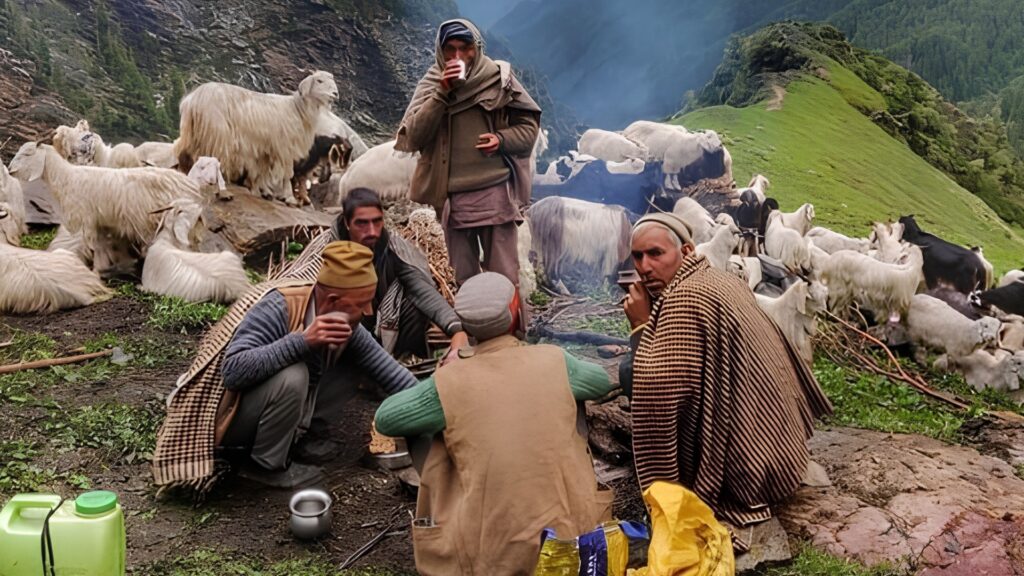
Kath-Kuni houses are built for three generations under one roof, not one nuclear family. Grandparents, parents, and children share the same rooms across seasons, and household skills cooking a dham feast, tending a kuhl, reading the weather pass down through daily contact, not deliberate lessons. That structure keeps knowledge inside the family instead of losing it every generation.
Lesson 7: Festivals Are About People, Not Just Events
Kullu Dussehra draws deities from more than 200 surrounding villages, each carried down in a palanquin to pay respects to Raghunath. Chamba’s Minjar Fair marks the end of monsoon with a procession that ties silk tassels to clothing before immersing them in the Ravi river. Neither festival exists for spectators. Villages that rarely interact through the year use these events to renew ties and reconnect.
Lesson 8: Sustainable Living Starts with Everyday Habits
A Himachali dham feast served at weddings and festivals runs on rules that predate the word ‘sustainable.’ Food gets served on leaf plates instead of disposable plastic. Cooks called Botis work with seasonal produce, mustard oil, and firewood instead of packaged ingredients. Guests sit in long rows called a painth and eat with their hands, straight from the leaf. None of this got designed as an eco-initiative. It’s just how the meal has always worked.
Read Must: Indian Culture and Western Culture
Lesson 9: Progress and Heritage Can Move Together
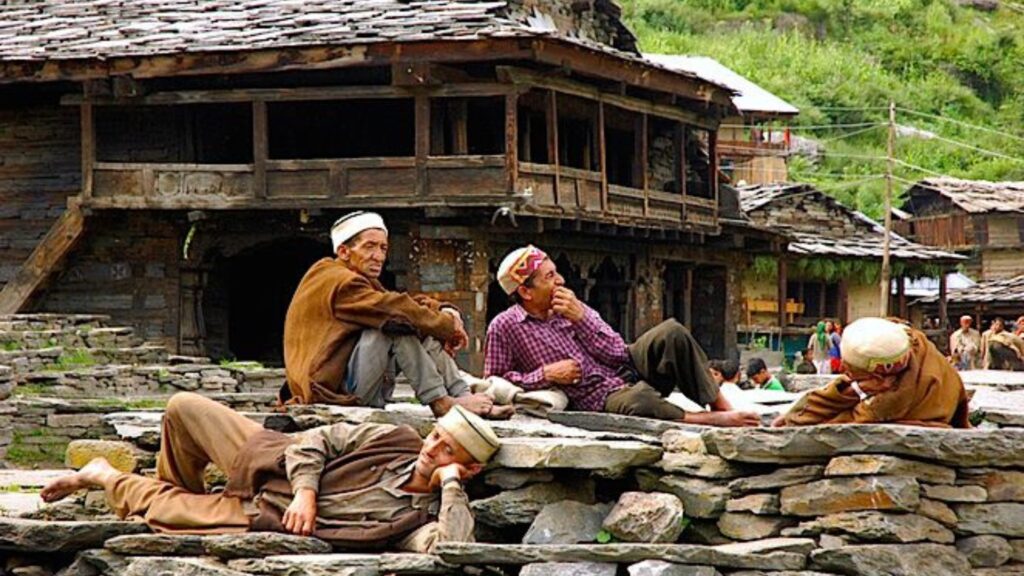
Roads, phone towers, and tourism have reached deep into Himachal Pradesh over the past two decades. Kath-Kuni homes still get built in the same villages, devta councils still settle disputes, and Chamba Rumal artisans still take fresh orders. Himachal Pradesh culture didn’t have to pick one over the other. Development moved in and heritage stayed put.
The Real Lesson from Himachal Pradesh Culture
Modern India can take real lessons from Himachali culture, not just admiration for its mountains. Settle disputes as a community instead of avoiding them. Manage shared resources instead of competing for them. Build for durability, not convenience. Support the artisans keeping old crafts alive. These aren’t nostalgic ideas, they’re systems that still function today, tested across generations. Himachal Pradesh culture proves growth doesn’t require giving up what came before it.