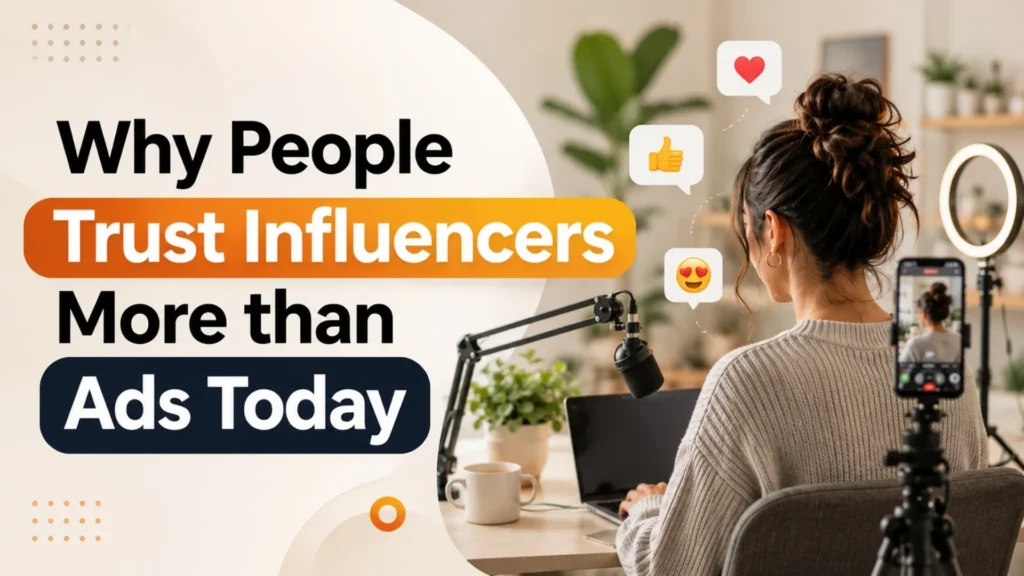
Now, consumers prefer listening to creators, reviewers, and social media influencers before buying. This does not mean traditional methods of advertising have lost importance completely. Brands still invest heavily in marketing campaigns. But audiences now connect more with personal recommendations and conversational content.
This shift emerges from trust psychology, consumer behaviour, relatability, and changing communication patterns.
People Connect Faster with Familiar Faces
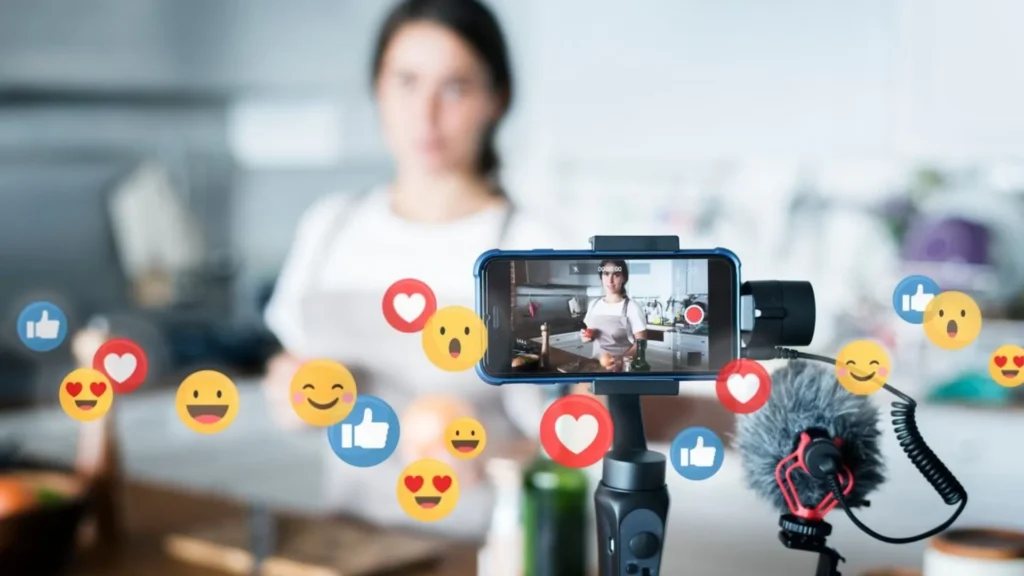
That explains why many social media influencers in India build loyal audiences over time. Followers watch their daily routines, opinions, reviews, updates, or fitness journeys regularly. Gradually, viewers start valuing their recommendations. Where traditional ads communicate in short promotional formats, influencer conte
Influencers Do Not Hide Their Vulnerable Side
Audiences lean toward natural communication over scripted promotions. Influencers share personal experiences and show how products work in real-world situations. This is the reason this method feels relatable and builds trust. Anyway, it all originates from relatability. It plays a huge role in the art of influence.
Social Media Built Stronger Audience Interaction
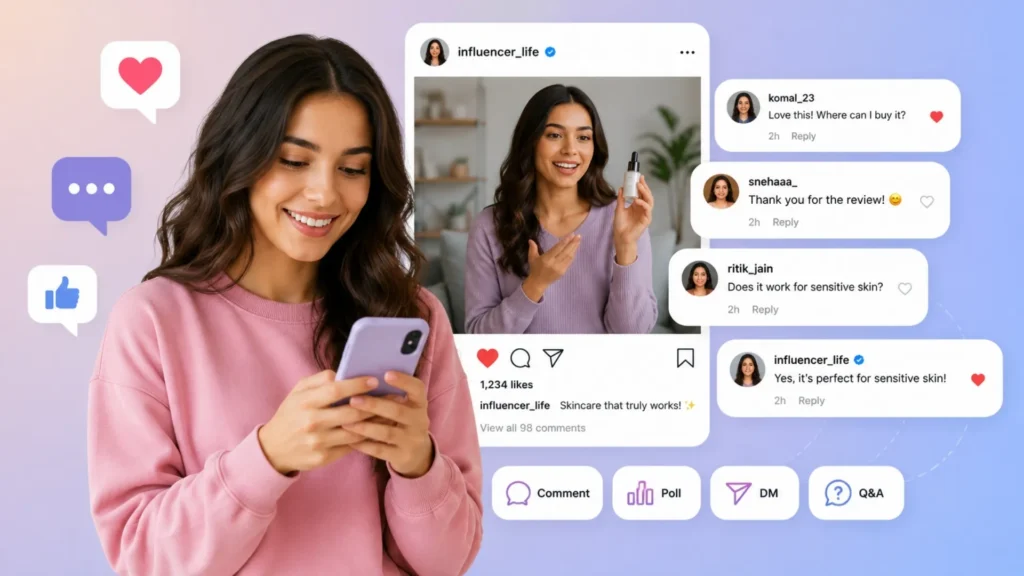
This interaction gives audiences a sense of connection. Followers feel more involved in conversations instead of simply watching advertisements.
Audiences Research Before Purchasing
- reviews
- tutorials
- comparison videos
- customer opinions
- social media discussions
This behaviour increased the importance of influencers in India across categories like fashion, gadgets, fitness, finance, food, travel, and skincare. Consumers want practical information before spending money. Influencer content helps audiences understand product usage, pricing, features, and daily experience.
Relatability Matters More Today
Social media influencers in India and everywhere communicate in regional languages and discuss relevant topics. Topics like students, working professionals, parents, small business owners, and young consumers. For example, a college student can connect more with a creator discussing hostel life, affordable fashion, or budget gadgets.
People trust recommendations more when they relate to the person sharing them.
Communities Influence Buying Decisions
Social media no longer works only as entertainment. It also functions like a community space. Followers gather around creators who match their interests:
- fitness
- gaming
- finance
- books
- parenting
- photography
- technology
- beauty
These communities discuss products in front of the camera with complete transparency. This community-driven communication has strengthened the role of influencers in modern marketing.
Short-Form Content Changed Attention Patterns
Most of all, brands also adapted to this shift by collaborating with such creators. Many product advertisement campaigns put together classic marketing with influencer collaborations.
Expertise and Niche Knowledge Matter
- tech
- fitness
- finance
- skincare
- education
- travel
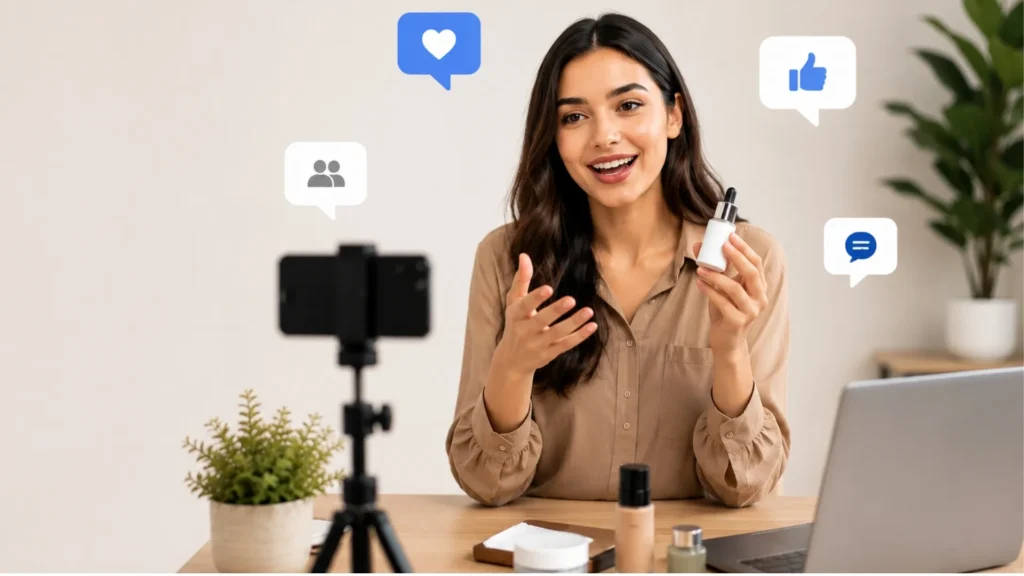
The art of influence in the era of social media depends on trust, consistency, communication, and audience connection.
Influencer Marketing Feels More Personalised
- A fitness enthusiast sees gym creators.
- A gadget lover sees tech reviewers without fail.
- A skincare enthusiast watches beauty creators.
This repeated personalised exposure strengthens familiarity. Influencer content reaches people based on interest-driven consumption patterns. On the other side, the classic ads target large audiences. That difference changes audience response significantly.
Brands and Influencers Now Work Together

- digital campaigns
- creator partnerships
- social media promotions
- online communities
- traditional advertising
This combination helps companies communicate with audiences across many platforms. Influencers help brands communicate in a more conversational and experience-based format. Traditional ways still help companies build large-scale visibility. Together, they shape modern consumer behaviour.
Trust is Growing Every day
The growing trust in influencers mainly reflects changing digital habits and communication styles.
People now value:
- relatability
- familiarity
- interaction
- practical experiences
- conversational communication
All the difference lies in how audiences consume information today. The art of influence moves less on polished promotion and more on connection, consistency, and meaningful communication.