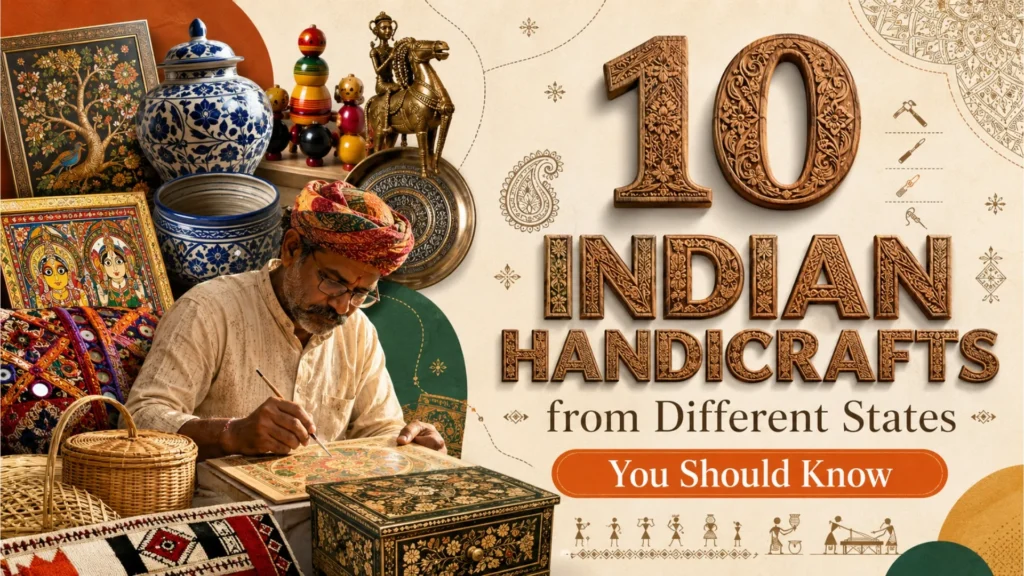
A hand-woven fabric or a hand-carved statue takes years to learn how to make. A machine can’t copy that skill. Factory-made goods have pushed many of these crafts to the side.
These crafts are not just for decoration. They give artisan families a way to earn a living. They keep old skills alive so they don’t disappear in a generation. Buying handmade is one simple way to help a dying craft survive.
What Are Indian Handicrafts?
These handicrafts are not at all like factory-made products, every handmade item is slightly different. That is what makes handicrafts special. They reflect the time, skill, and creativity of the artisan who made them.
10 Traditional Indian Handicrafts from Different States
Here are ten Indian handicrafts worth knowing about. These Indian handicrafts preserve India’s rich culture while supporting the livelihoods of millions of artisans
1. Rogan Art (Gujarat)
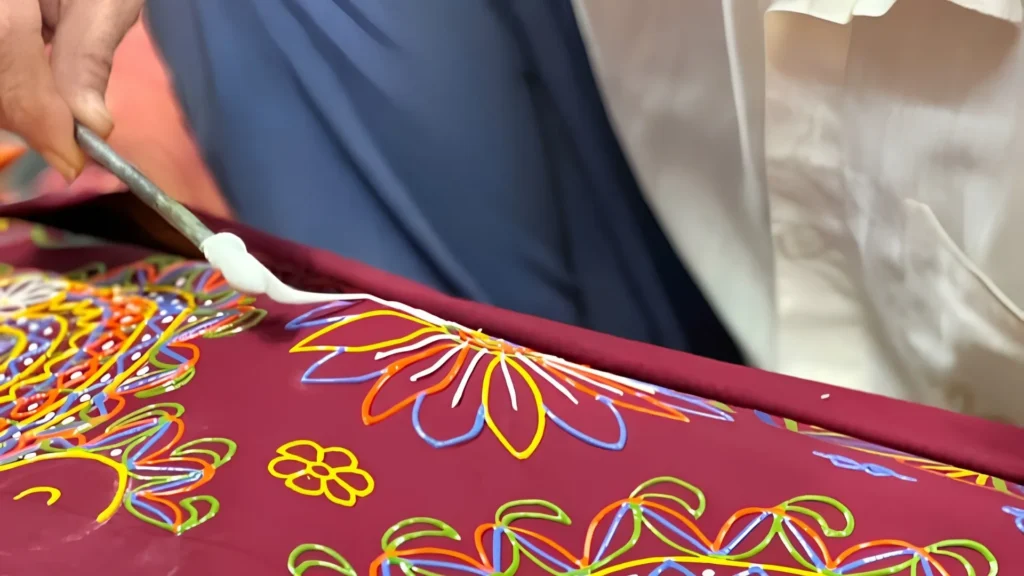
Artisans in Kutch make Rogan paintings with a thick paste of castor oil and natural colours. They paint freehand using a metal rod instead of a brush, drawing flowers and patterns stroke by stroke. Fewer than ten families still know this craft. Each painting takes hours, and no two ever look exactly alike.
2. Channapatna Toys (Karnataka)
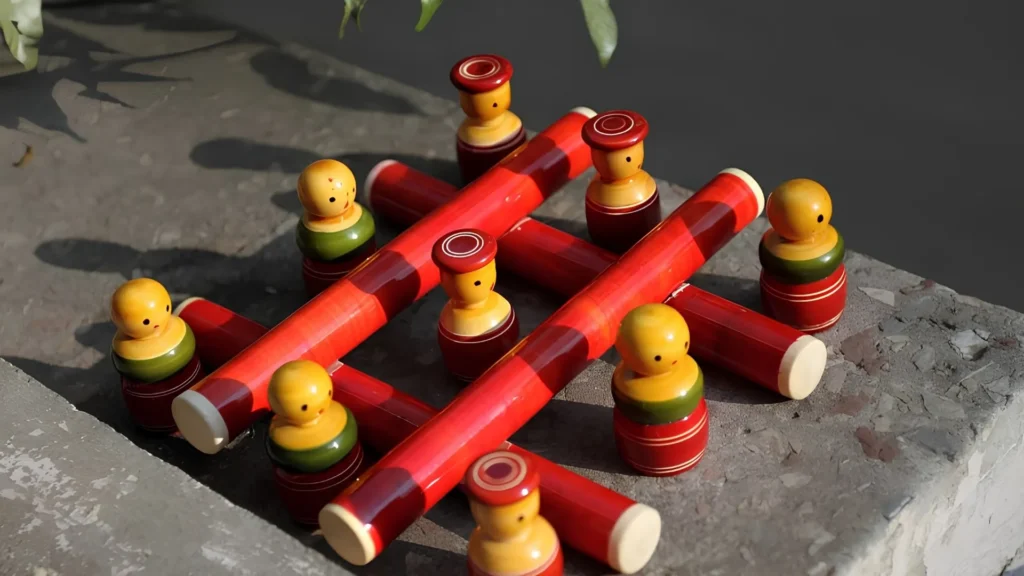
People call Channapatna the ‘Toy Town of India’. Artisans have shaped wooden toys here for over 200 years. They turn soft wood on a machine called a lathe, then colour it with vegetable dyes safe enough for a child to chew on. Spinning tops, rings, and small animal toys still come from small home workshops in the town.
3. Blue Pottery (Rajasthan)
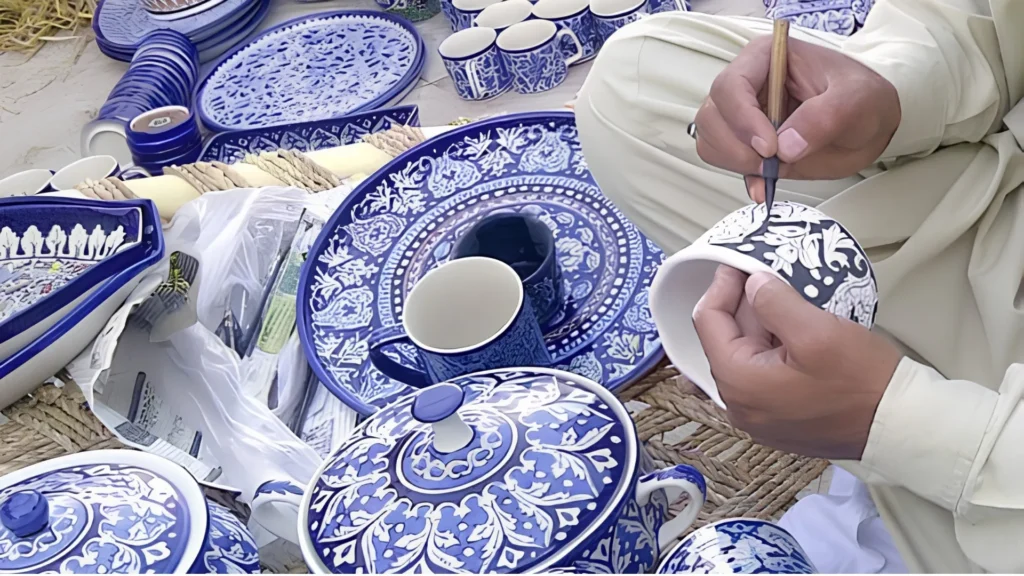
Jaipur’s blue pottery has no clay in it at all. Artisans mix quartz powder, glass, and a local clay-like soil called multani mitti, then shape it and bake it at low heat. Most pieces carry blue flower patterns, though some have green and yellow too. Tourists buy plenty of blue pottery bowls, but few Indian homes outside Jaipur use it.
4. Pattachitra Paintings (Odisha)
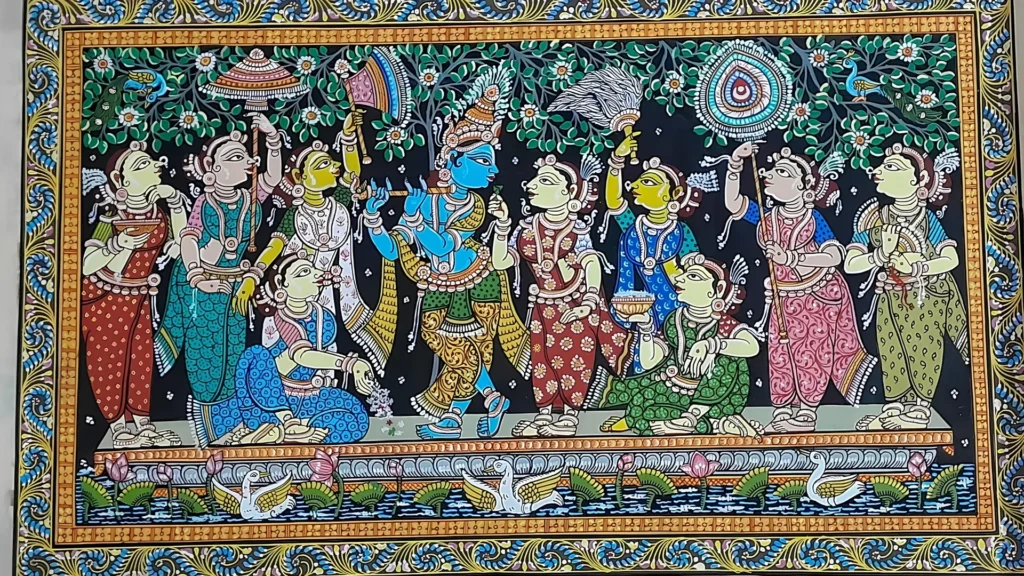
Artisans stiffen the cloth with tamarind gum and chalk paste before painting on it. They tell stories from Hindu mythology using handmade brushes and colours made from stone, plants, and minerals. Every painting has a busy, detailed border. One painting can take a week or more to finish.
5. Dhokra Metal Craft (West Bengal, Chhattisgarh, Odisha)
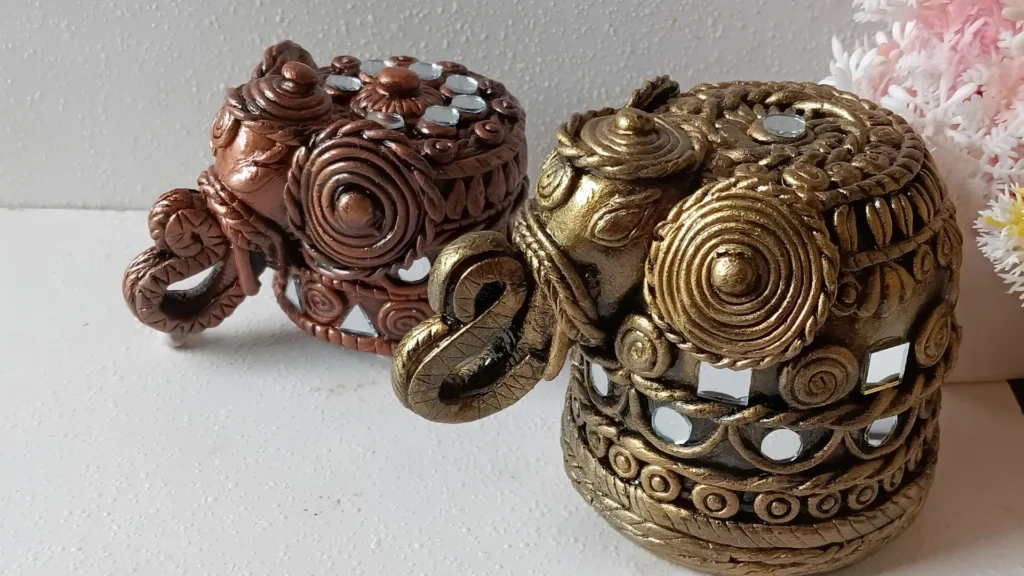
Dhokra artisans use a casting method that’s thousands of years old. They shape a wax model, cover it in clay, then melt the wax out and pour in hot metal. Since the clay mould breaks to remove the piece, no two Dhokra items ever come out the same. Common designs include tribal figures, oil lamps, and animals.
6. Toda Embroidery (Tamil Nadu)
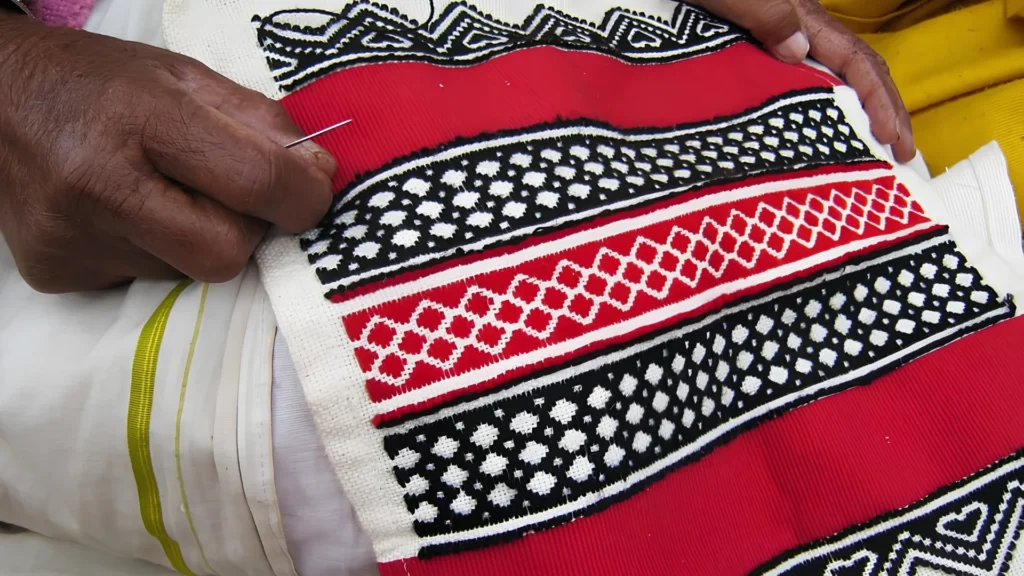
The Toda people of the Nilgiri Hills embroider from the back of the cloth, not the front. This raises the pattern on the side people see. They stitch bold red and black designs on white cotton. The government has given Toda embroidery a special tag that protects it as a regional craft. Still, few people outside Tamil Nadu have heard of it.
7. Sankheda Furniture (Gujarat)
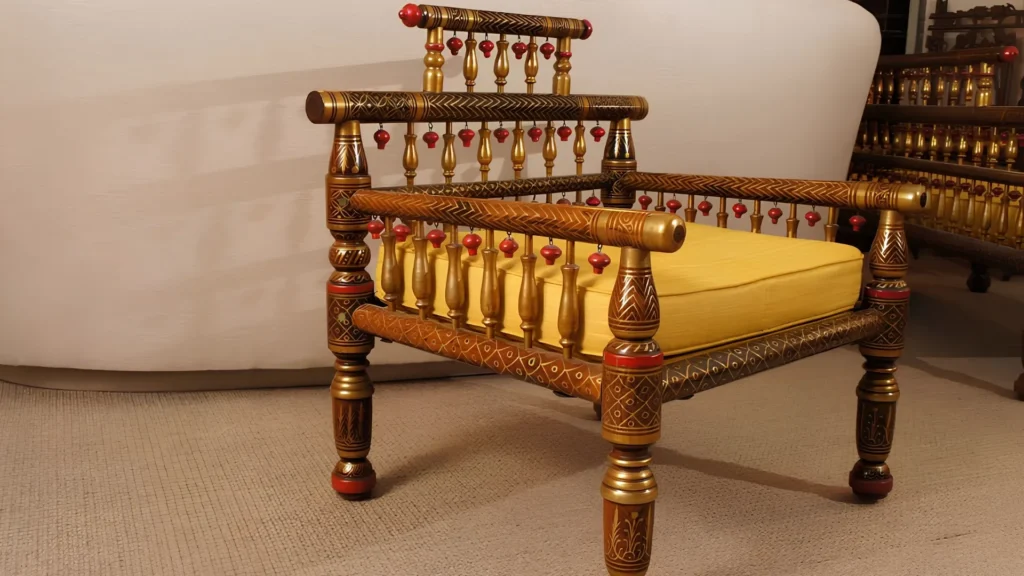
Sankheda furniture combines wood-turning with a shiny lacquer finish. Craftsmen paint chairs, baby cradles, and small tables with flower patterns, then polish them until they shine. The furniture is light to carry but strong enough to last for decades. Older Gujarati homes had a Sankheda piece. Fewer people buy it today.
8. Kutch Embroidery (Gujarat)
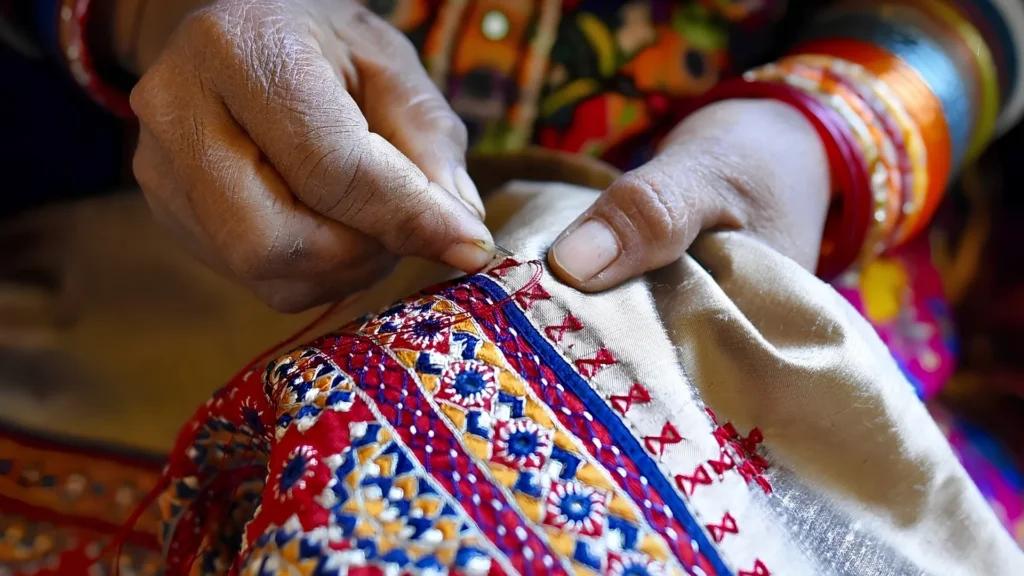
Kutch embroidery isn’t one single style. Different communities in the region each stitch their own patterns. Some use tight chain-stitch work. Others sew tiny mirrors into geometric shapes. You’ll find this embroidery on bags, cushions, and clothes, and each community’s style still looks different from the rest.
9. Bamboo Craft (Northeast India)
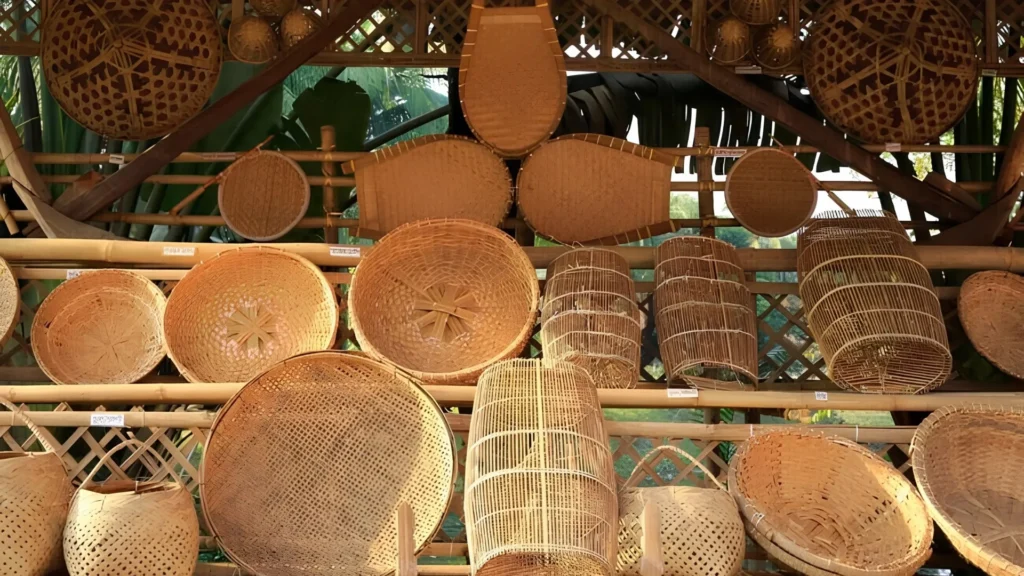
Bamboo is part of daily life in Assam, Tripura, Mizoram, and Nagaland. Artisans use local bamboo to weave baskets and build furniture and storage boxes. Bamboo grows fast and needs very little water, which makes this craft naturally eco-friendly. People in these states still use bamboo tools every day.
10. Bidriware (Karnataka)
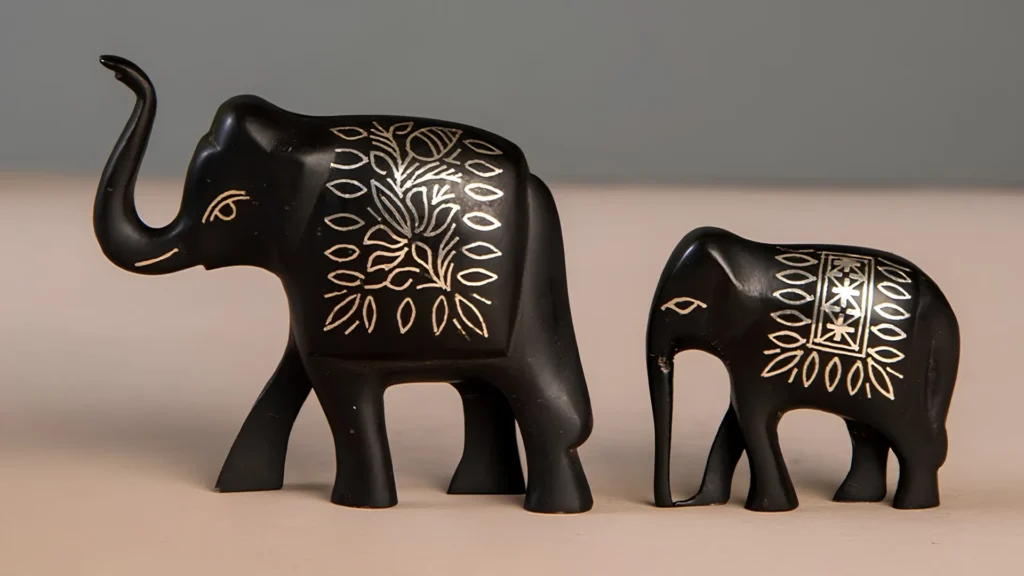
Bidriware started in the town of Bidar and still carries its name. Artisans carve silver wire into a blackened metal alloy, using a special soil mix to turn the metal dark permanently. The result is a striking mix of black metal and shiny silver. Jewellery boxes, vases, and plates are the most common items made this way today.
You Can Explore: Monsoon Food Across India: State-by-State Guide
Why These Crafts Won't Come Back Once They're Gone?
Each craft here keeps one specific artisan community going, not just some general idea of heritage. If Rogan art disappears, the last families in Kutch who know the technique disappear with it. If Sankheda furniture stops being made, no other craft replaces its lacquer method. Buying handmade keeps that skill with the people who know it, instead of losing it when the last artisan stops working.
How We Can Support These Artisans
You don’t need to be an art collector to help. A few simple ways.
- Buy directly from artisan groups or government craft stores instead of resellers.
- Pick a handmade gift for festivals instead of something mass-produced.
- Visit a craft fair or exhibition if one comes to your city.
- Ask the seller about the artisan’s name and region. Most sellers know it.
Must Visit: Difference Between Indian and Western Culture
Why It's Worth Buying Handmade
These ten crafts survive because artisans keep making them, despite cheaper, easier-to-sell factory goods. Every piece on this list took someone years to learn, not just hours to make. Once a craft loses its last artisan, no factory can bring it back.
Next time you’re buying home décor or a festival gift, a handmade piece can cost a bit more. But it carries a lot more with it too a name, a family, and a skill passed down through generations. Spending a little extra today can help keep entire craft villages running for years to come.