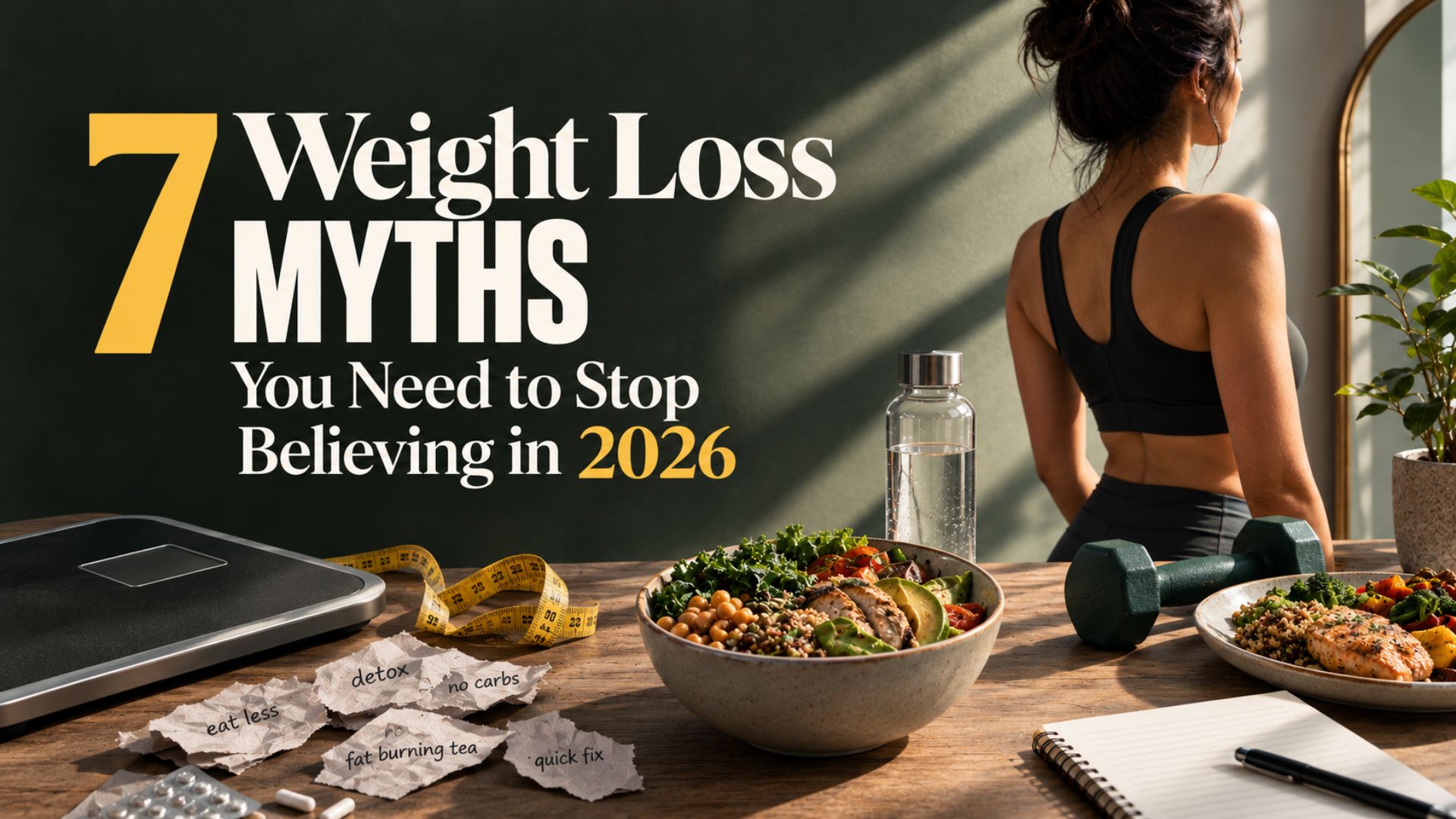
You started trying to lose weight as a teenager. You cut carbs for two weeks, then quit because you missed rice too much. A friend talked you into intermittent fasting. Someone online sold you a bitter morning juice that promised overnight fat loss. You skipped meals, counted every calorie, and bought “fat-burning” pills from a random ad.
None of it worked. That’s not on you. You listened to the wrong people. Here are the seven myths behind most of that wasted effort, and what actually works instead.
What Are the Most Common Weight Loss Myths?
Weight loss myths generally make people believe they need extreme diets, special foods, or exhausting workouts. Common myths include avoiding all carbs, to use detox drinks that target belly fat, and judging progress only by the weighing scale. Sustainable weight loss usually comes from balanced eating, regular physical activity, adequate sleep, and habits you can maintain.
Myth 1: Eat Less, Lose Weight Fast
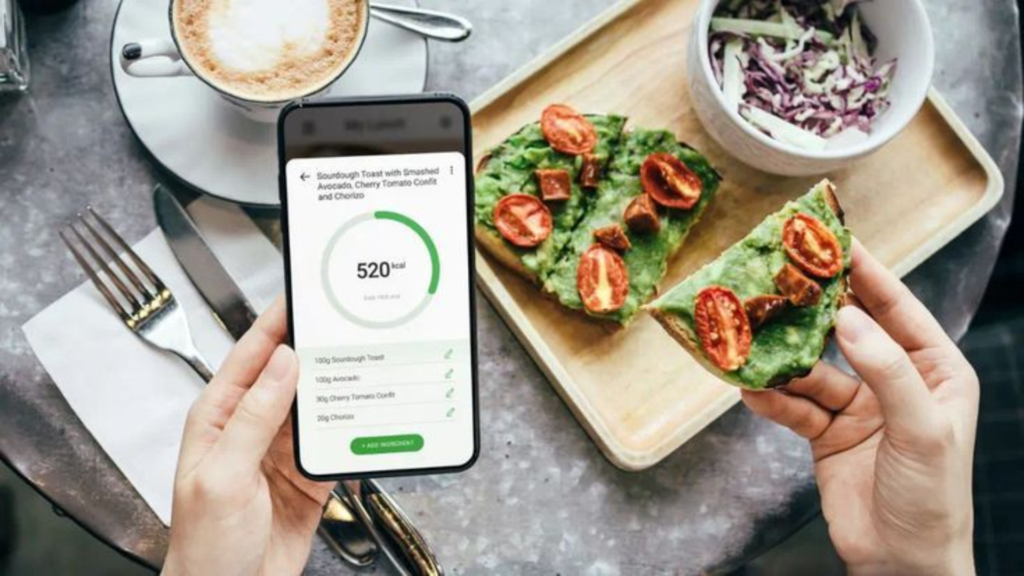
Drop to 1,200 calories a day, and the scale moves fast, for a few weeks.
Then your body pushes back. It reads the shortage as scarcity and slows everything down to save energy. You get tired, cold, and short-tempered. Eventually you can’t hold out, so you binge. Guilt follows, but the failure isn’t yours. Your body is doing exactly what it’s built to do.
Eat enough food. Trim a little, not a lot. Starving yourself backfires every time it also works against the science behind forming good habits, since extreme restriction is nearly impossible to sustain long enough to become a habit.
Myth 2: Carbs Make You Fat
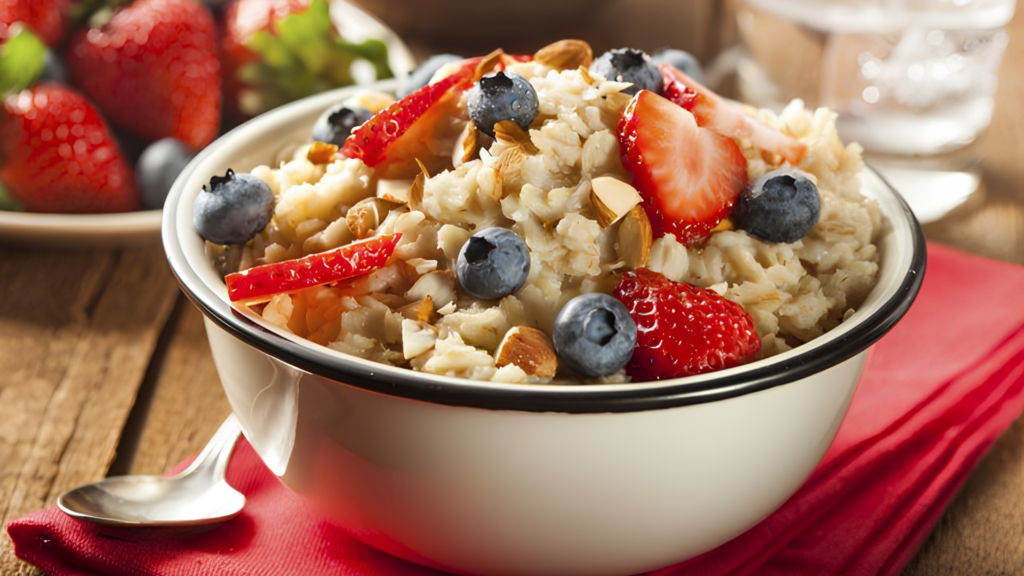
Rice and roti get blamed for weight gain they didn’t cause.
You gain weight from eating more calories than your body burns, not from carbs specifically. Your brain uses glucose as an important fuel source, although the body can also use ketones when carbohydrate intake is very low. Good carbs, oats and vegetables among them, carry fibre that keeps you full for longer.
Watch your portions. Don’t cut the whole food group. Pairing smart carbs with natural foods that support weight loss is a far more sustainable approach than cutting any one food group out completely.
Myth 3: Spot Reduction Burns Fat from One Area

Ads promise flat abs from ten minutes of daily crunches. That’s not how the body works.
Genes decide where you lose fat first. Some people lose it from the face, others from the legs. You can’t target one spot and burn fat only there. No exercise pulls that off.
Focus on losing fat across your whole body through eating well and staying active. Your stomach catches up on its own timeline.
Myth 4: A Workout Earns You a Free Pass

A 30-minute run burns roughly 300 calories. A burger and fries can pack in 1,200 calories in five minutes flat.
Most people overestimate the calories they burn and underestimate what they eat. That gap is the trap. One meal undoes an hour of hard training.
Exercise builds your heart and lifts your mood. Food controls your weight. Keeping the two separate in your head starting the day with one of these healthy breakfast ideas makes it far easier to stay on track for the rest of the day.
Myth 5: Detox Teas Burn Fat

No tea or juice burns fat. Most detox drinks just send you to the bathroom more. You lose water weight for a day or two and the scale dips, but the fat stays put.
Your liver and kidneys already handle detox, free of charge, every single day. Any product promising fast fat loss is lying to you. Real fat loss takes months.
Myth 6: Eating Fat Makes You Fat
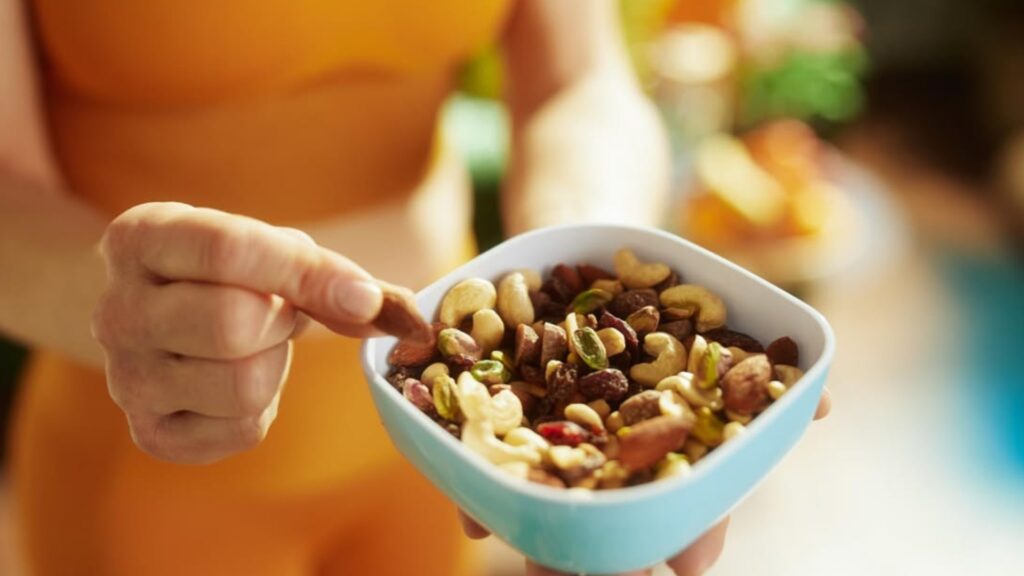
In the ’90s, everyone loaded up on low-fat cookies and yoghurt. People still gained weight.
Here’s the catch: when brands strip out fat, they load in sugar to keep the taste up. Eating fat does not automatically make you gain weight. Healthy fats such as nuts, seeds, olive oil and avocado can be part of a balanced diet. The key is portion size and your overall calorie intake, something worth remembering with smart food choices when eating out, where hidden fats and sugars add up fastest.
Myth 7: The Scale Tells the Whole Story
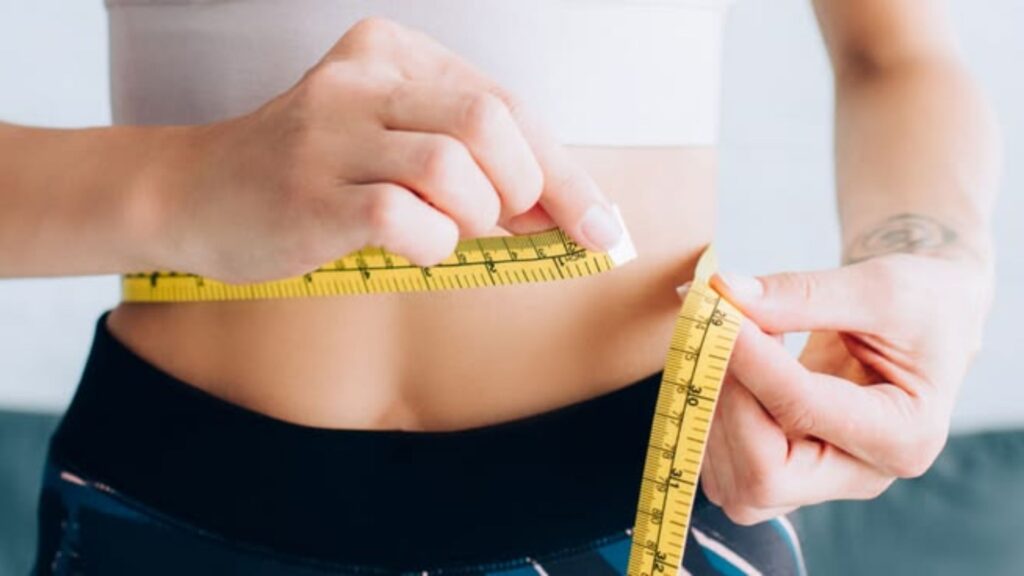
You step on the scale and see a kilo gained overnight. Your mood tanks with it.
That number isn’t fat. It’s water, last night’s salty dinner, or your hormones running their monthly cycle. Weight shifts up and down every single day.
You can lose inches off your waist while the scale number holds steady. This happens a lot when you build muscle, since muscle packs more weight into the same size.
Skip the daily scale obsession. Track how your clothes fit and how much energy you have instead.
What Actually Helps with Sustainable Weight Loss?
- Create a moderate calorie deficit: Avoid extreme restrictions. A sustainable deficit is easier to maintain.
- Eat enough protein and fibre: These can help with fullness and make meals more satisfying.
- Keep carbohydrates in your diet: Choose whole grains, fruits, vegetables, legumes and other nutrient-rich sources.
- Include strength training and cardio: Both can support health and body composition.
- Sleep consistently: Poor sleep can affect hunger, appetite and daily energy.
- Track more than weight: Use waist measurements, clothing fit, fitness, energy and progress photos alongside scale weight.
What Are the Most Common Weight Loss Myths and Facts?
| Myth | Facts |
|---|---|
| Eating very little causes fast, lasting weight loss | Extreme restriction can be difficult to sustain |
| Carbs make you fat | Carbs can be part of a balanced diet |
| You can burn belly fat with specific exercise | Fat loss cannot be targeted to one area |
| Exercise gives you a free pass to eat anything | Exercise and nutrition work together |
| Detox teas burn fat | They don’t provide a special fat-burning effect |
| Eating fat makes you fat | Healthy fats can fit into a balanced diet |
| The scale tells the whole story | Weight naturally fluctuates |
The Real Way to Lose Weight
Losing weight isn’t a punishment for laziness, and it was never about perfect willpower. It’s a slow process that rewards patience over extremes. Most people quit not from a lack of discipline, but because they chase quick fixes that were never built to last.
Start small. Eat real food most days. Move your body because it lifts you, not to cancel out a meal you enjoyed. Sleep enough, drink water, and give yourself credit for wins that skip the scale entirely. The same small daily habits that actually stick that boost your mornings also carry over into better eating and energy. Better energy, deeper sleep, clothes that fit looser.
Next time a miracle weight-loss trick lands on your feed, scroll past it. You’ve read this far. You already know better.