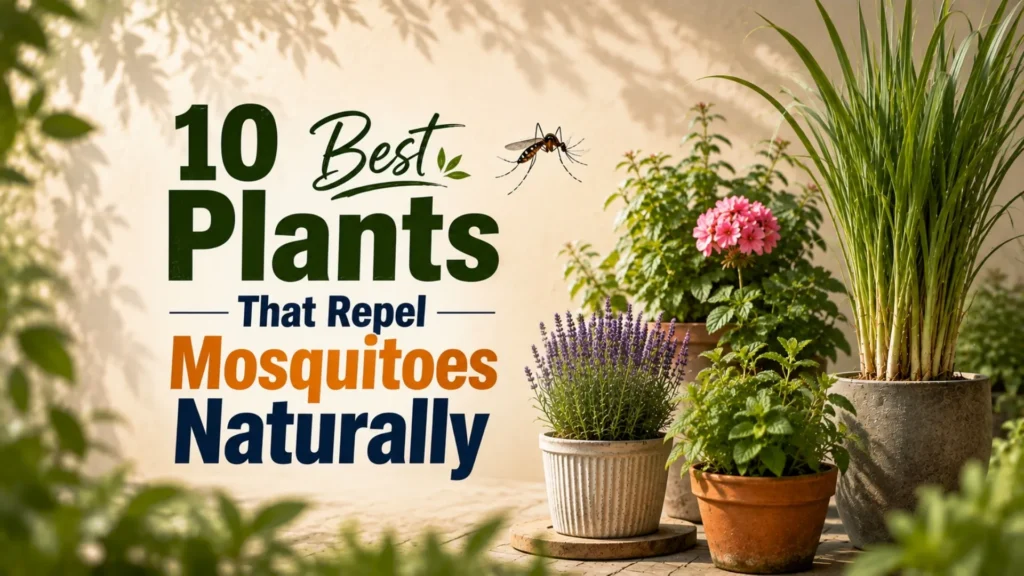
In this blog, we will go over 10 plants that will help keep those mosquitoes at bay. Also, we will put forth the best places to keep them and will cover simple care tips for you to keep them in great health.
Do Plants Really Repel Mosquitoes?
Yes, to some degree. Some plants emit natural oils and compounds that mosquitoes do not like. Certain plants repel mosquitoes which they do in by releasing volatile aromatic oils and compounds. We see that which do things like citronellal, eugenol, and pyrethrum play up to and override human scents. Put out these green options near doors, windows, and balconies, which in turn will reduce bug activity in living spaces.
10 Best Plants That Repel Mosquitoes
Mosquitoes are more than a nuisance, they spread dengue, malaria, chikungunya, and other diseases. Mosquito-repellent plants work by releasing volatile aromatic compounds that mosquitoes dislike. Grow these 10 plants to naturally repel mosquitoes.
1. Lemongrass (Citronella Grass)
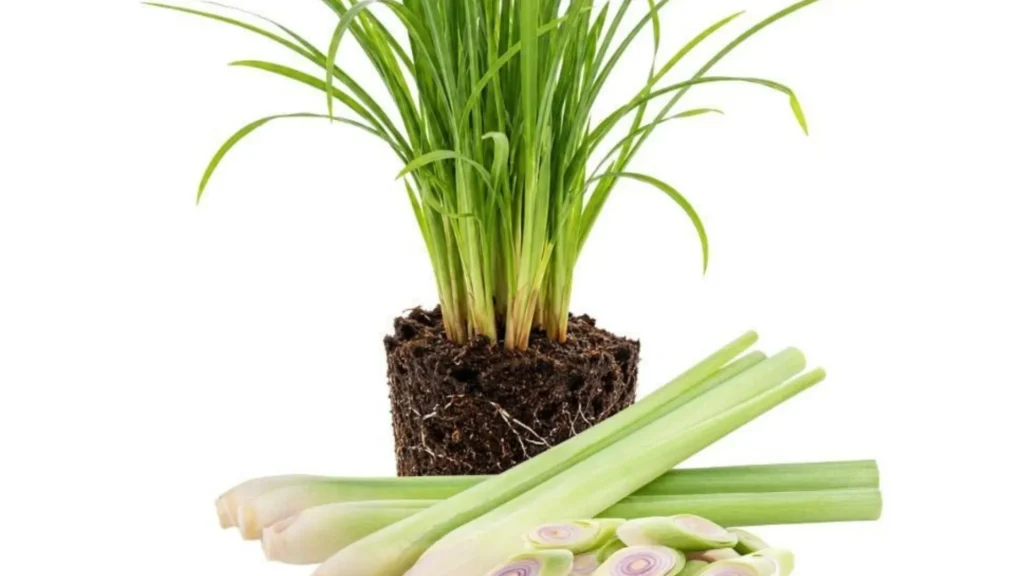
Known for its distinct scent, citronella grass (also known as lemongrass) is the most commonly used natural ingredient in mosquito repellents. Its leaves contain high levels of citronella, geraniol, and citronellol compounds, which are used in candles and sprays. Plant them in large pots with well-draining soil. Both thrive in the sun and warm climates. Regularly trim the leaves and rub them between your fingers to release the scent.
2. Holy Basil (Tulsi)
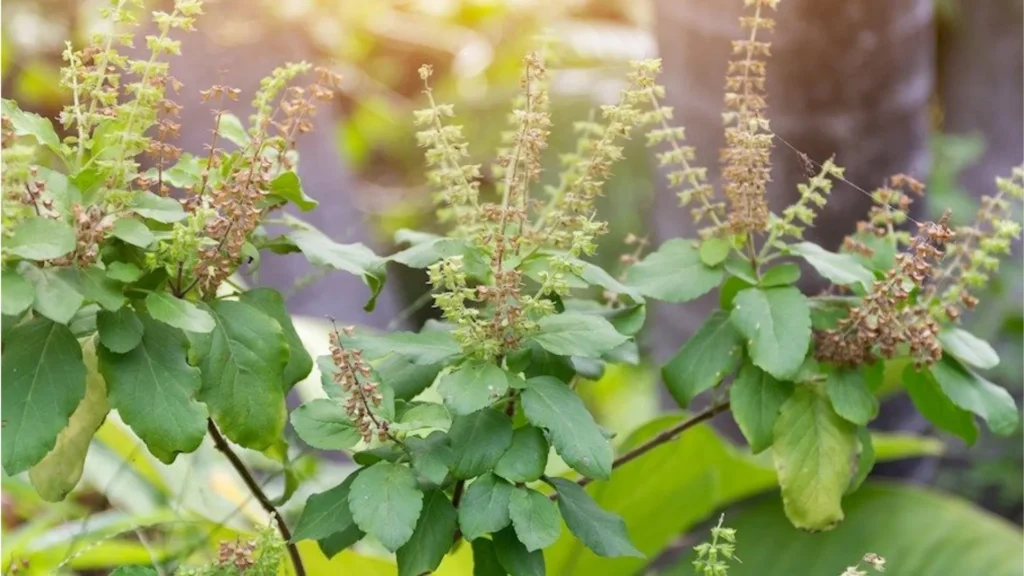
Basil is another herb that can also act as a pest repellent. Tulsi emits a clove-like aroma that deters mosquitoes. The essential oil contains eugenol and other phenolic compounds. Grow tulsi in an earthen pot near windows or doorways so the fragrance spreads indoors. The plant prefers morning sunlight and moist, well-drained soil.
3. Geranium (Citronella)
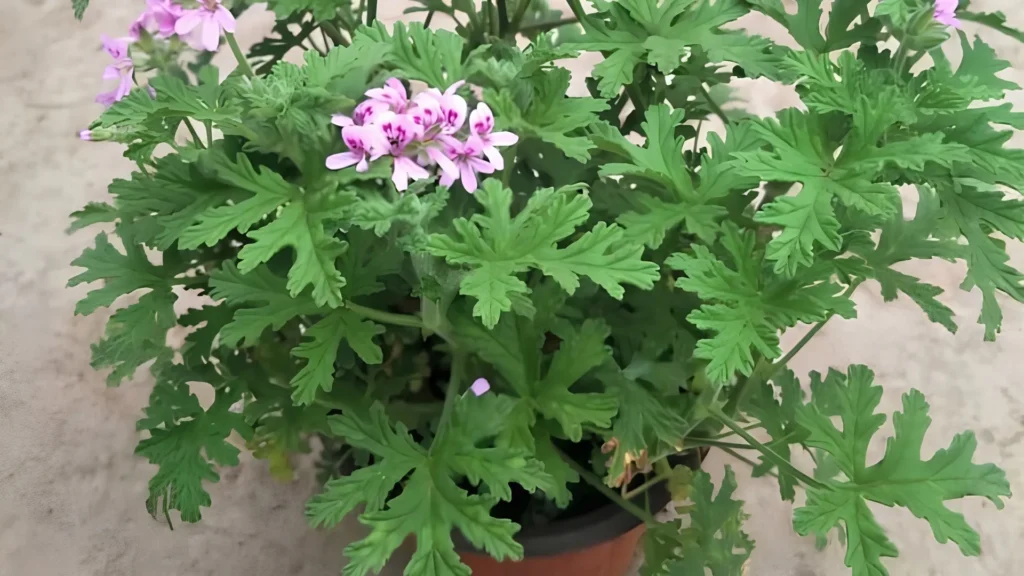
Scented geraniums are also a popular mosquito-repelling plant. The strong fragrance keeps several types of pests away. These fast-growing plants like warm, sunny, and dry climates, but if you are in a cold-climate area, they can be grown in planters with constant watering. You can even steep cut leaves in water to make a mild, homemade repellent. Geranium grows tall, so place it in a corner where it gets at least six hours of sunlight.
4. Sage
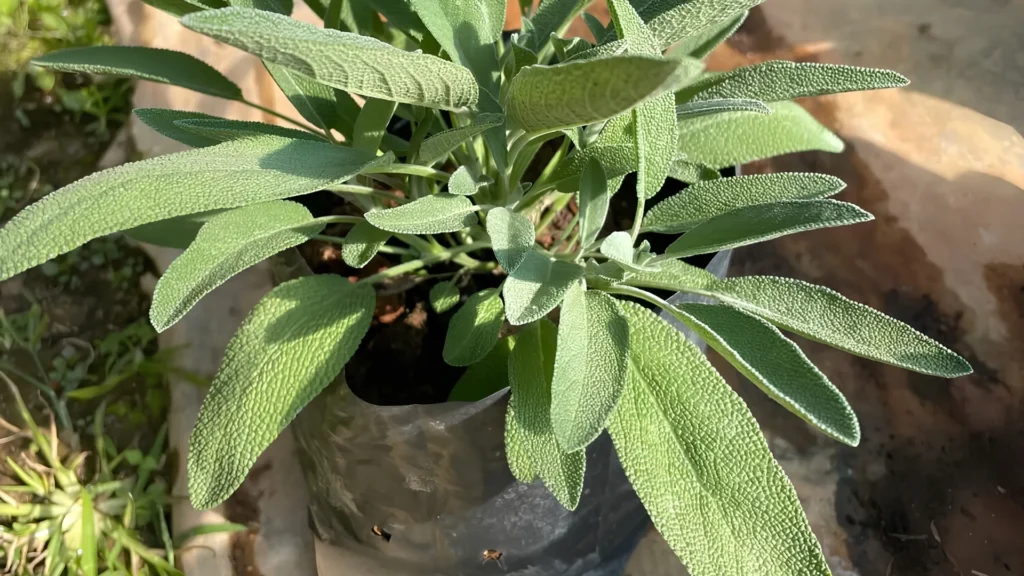
Sage is a fragrant herb whose leaves contain thujone and camphor. Burning dried sage leaves releases a smoky aroma that mosquitoes avoid. Grow culinary sage in a sunny pot and harvest leaves for seasoning meats and teas. Sage can also be dried and used to make homemade bug spray.
5. Bee Balm
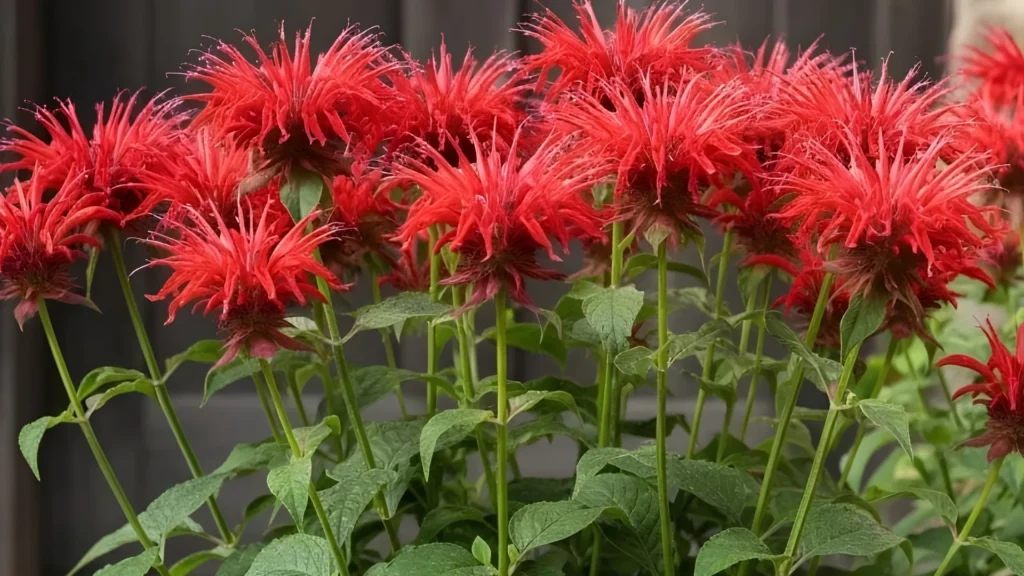
Want to attract good bugs like bees and butterflies, while deterring the bad ones? Then bee balm, also known as Monarda or horsemint, is the plant for you. Simply crush its leaves to release the fragrant oils. On top of that, you will get to enjoy colourful flowers, in shades of red, pink, lavender, white, or purple, all summer long.
6. Lavender
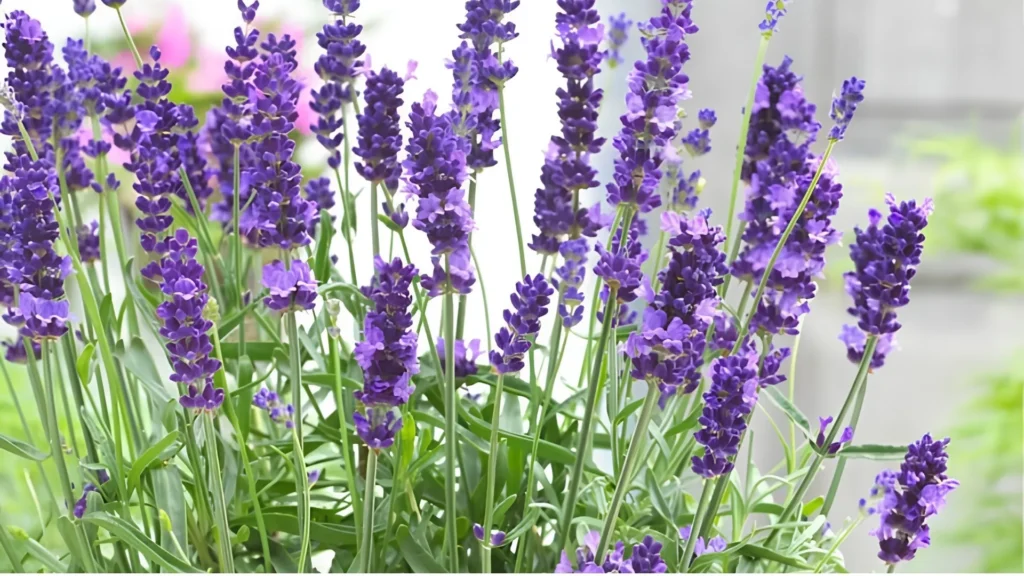
Lavender isn’t native to India, but certain cultivars adapt to cooler northern climates or hill stations. Its essential oil contains linalool and linalyl acetate, which repel mosquitoes and other insects. Lavender plants need full sun and slightly alkaline, well-drained soil. In hot regions, grow dwarf varieties in pots that can be moved to a cooler spot in summer. Dried lavender flowers can be placed in sachets around the home to deter pests.
7. Peppermint & Mint
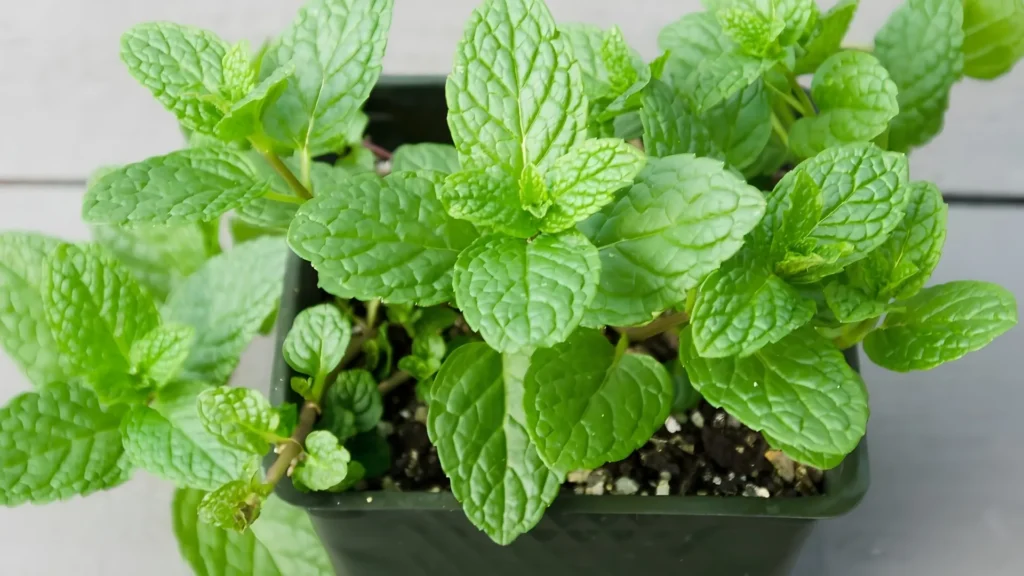
Mint plants release menthol and other volatile oils that confuse mosquito receptors. Peppermint, spearmint, or Indian pudina are excellent choices. They prefer partial sunlight and consistently moist soil. Grow mint in separate pots because it spreads vigorously. Crush a few leaves and rub them on your skin for a quick aromatic repellent. Mint leaves are also perfect for chutneys and summer drinks.
8. Rosemary
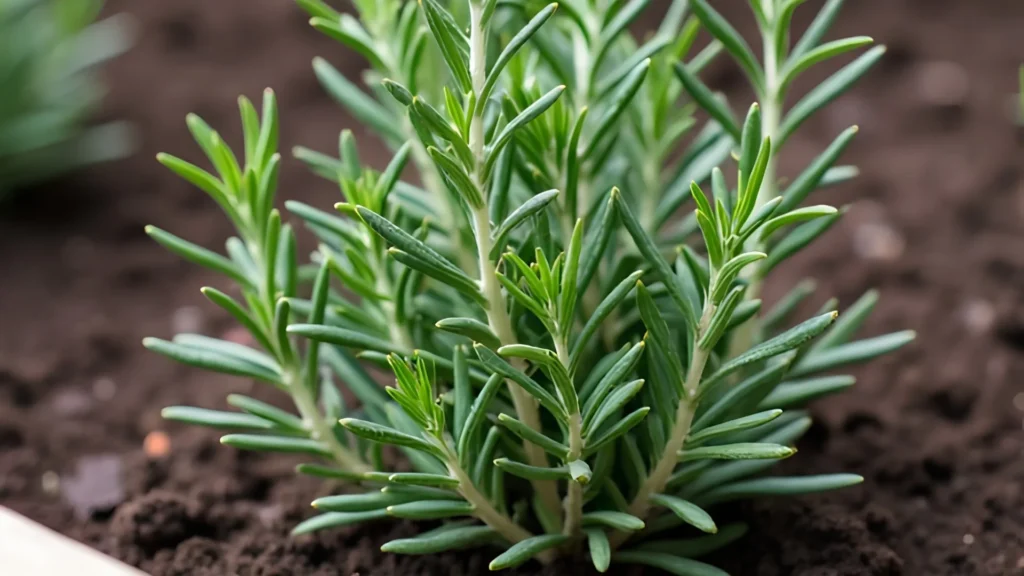
Another great mosquito repellent is rosemary. It is a herb that many of us are very familiar with, and its woody scent is exactly what keeps mosquitoes, as well as cabbage moths and carrot flies, away. They do best in hot and dry climates and thrive in containers, which may be ideal for areas with winters. They can also be pruned into all sorts of shapes and sizes, and make great borders or decorations.
9. Marigold
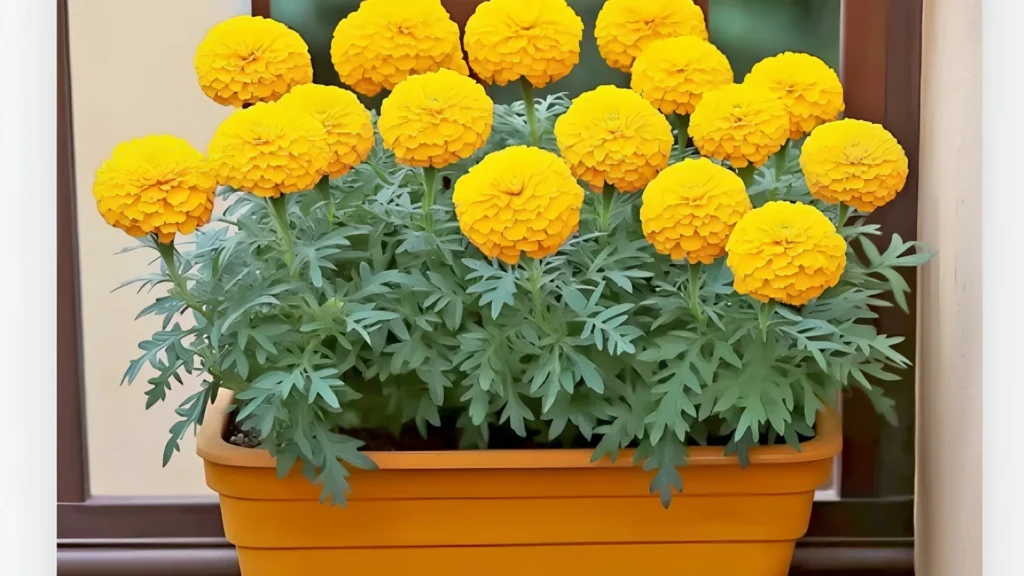
Marigolds are colourful annuals that produce a distinctive scent disliked by mosquitoes. They contain thiophenes and pyrethrum, natural insecticides that also repel aphids and whiteflies. Place pots of marigolds around patio seating or near entryways. Choose varieties like French or African marigolds that bloom profusely in the Indian climate. You can start your own plants from marigold medium orange flower seeds to create a floral mosquito barrier.
10. Petunia
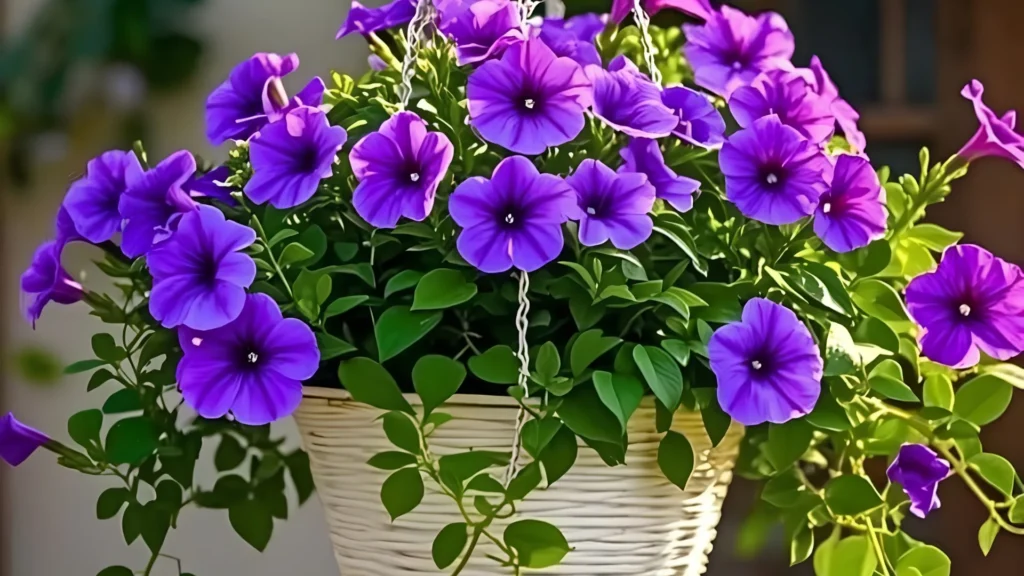
Petunia gives off a scent that mosquitoes and small pests don’t love. They do great in hanging baskets and window boxes, right at porch height, where the smell can actually reach you. It needs sun, regular watering, and a bit of fertiliser every few weeks. Pinch back leggy stems to keep the plant bushy.
Where Should You Place Mosquito-Repellent Plants?
- Near doors and windows, so mosquitoes think twice before coming in
- Balconies and patios, where the scent wraps around you while you sit
- Garden seating areas, especially near a bench or swing
- Around outdoor dining spaces, since food and drink pull mosquitoes in anyway
- Along pathways, where brushing past the leaves releases more fragrance
You Must Explore This: 11 Plants That bring calm, luck, and positive energy
More Natural Ways to Keep Mosquitoes Away
There are also other natural products available that can help ward off mosquitoes in your garden. These include citronella torches and candles, as well as essential oils derived from the plants listed here.
Grow These Plants, Keep Mosquitoes at Bay
Ten plants won’t clear every mosquito from your home and garden. But they cut the numbers down and leave your balcony smelling better than a coil ever will. Group a few of these near your seating area, water them regularly, and crush a leaf now and then for extra scent. Clear out standing water, too, and you will notice fewer bites by the time the season peaks.