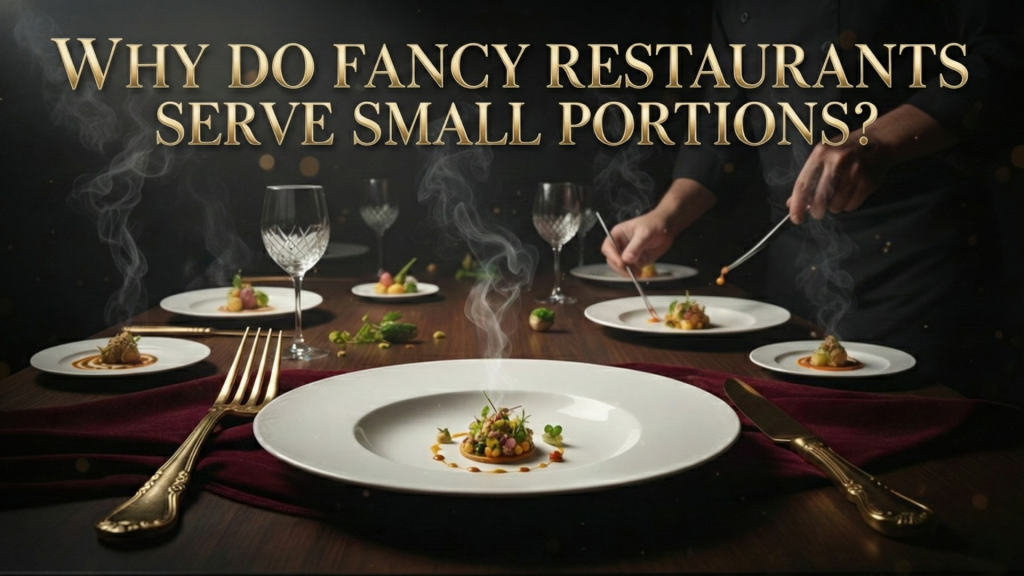
You are paying for a concentrated, high-quality experience rather than a large quantity of food. The small portions allow you to appreciate the skill and ingredients in each course.
You’ve seen it in movies, heard the jokes, or maybe experienced it first-hand. You sit down at a beautifully appointed table in a fine-dining restaurant, the waiter presents your dish with a flourish, and there it is, a masterpiece. But, the size of a postcard. It’s like, “Is this it? I’ll now need a burger on the way home.” It’s almost half of the planet’s reaction. But before you surrender yourself to it as a pretentious scam, there’s a related philosophy behind the small plate. The old purpose of the meal is about consumption and getting full. However, now the meal is about appreciation, learning, and sensory enjoyment.
The Most Fundamental Reason
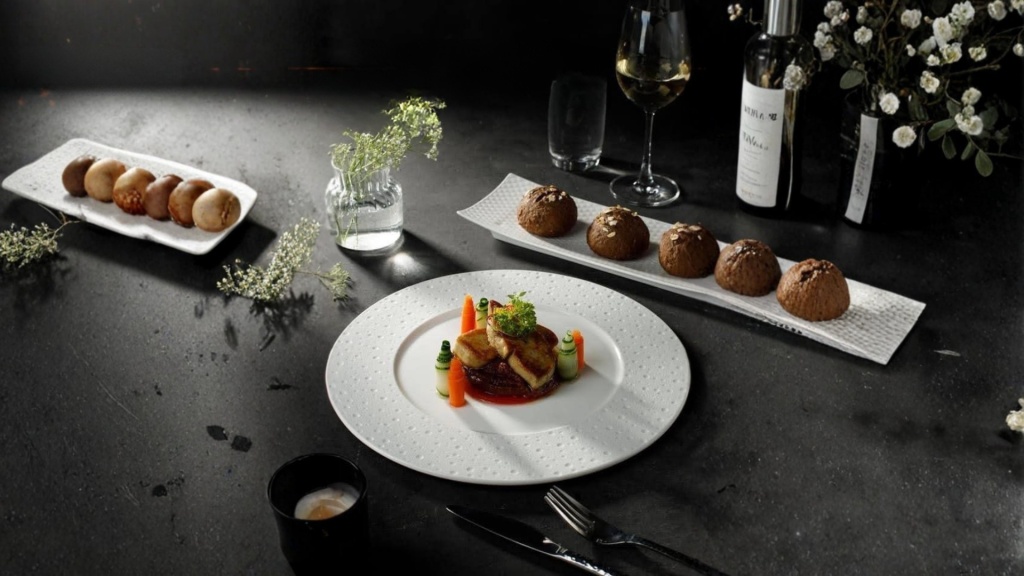
High-end restaurants serve a lesser quantity of food because the focus is on quality, not quantity. The economics are different from your neighbourhood diner. An expensive restaurant is not sourcing ingredients in bulk. They’re, in general, using rare, seasonal, and extraordinarily high-end ingredients. Those ingredients are costly by nature. The goal of an expensive restaurant and their chefs is to showcase their unique flavours, which is best done in a concentrated, thoughtful portion. You’re paying for the rarity and the craftsmanship of bringing out the best of the given contents.
This Leads Directly to the Second Point
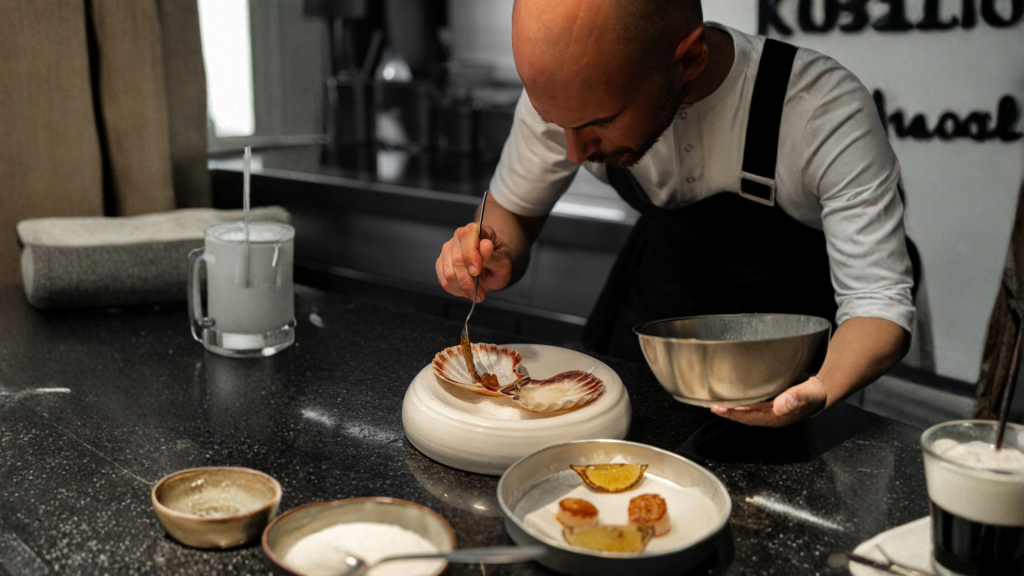
The experience is a tasting journey. In many high-end establishments, especially those with tasting menus, the meal is structured as a sequence of 6, 8, or even 12 courses. Each small plate is a next stretch of the road. The chef aims to take you to rich, through different textures and flavour profiles. And s/he doesn’t do it with overstuffing your palate or your stomach. The small portions allow you to appreciate the uniqueness of each dish and be ready for the next surprise. By the end of a multi-course tasting menu, the cumulative amount of food is usually more than sufficient.
You should also consider the intensity of labour and technique. The light brush of sauce that we see on the edge of the plate? It may have taken two full days of slow cooking to get that depth of flavour. Those delicate vegetable garnishes? Hand-cut and placed with tweezers. The presentation is part of the artistry. A larger portion would have ruined the delicate balance, the crisp element would have gotten soggy, the temperatures would have clashed, and the carefully constructed bite would have been lost otherwise. The kitchen is engineering an optimal taste and textural experience in every single mouthful, which requires precision that doesn’t scale up to a giant platter.
Sensory science at play here
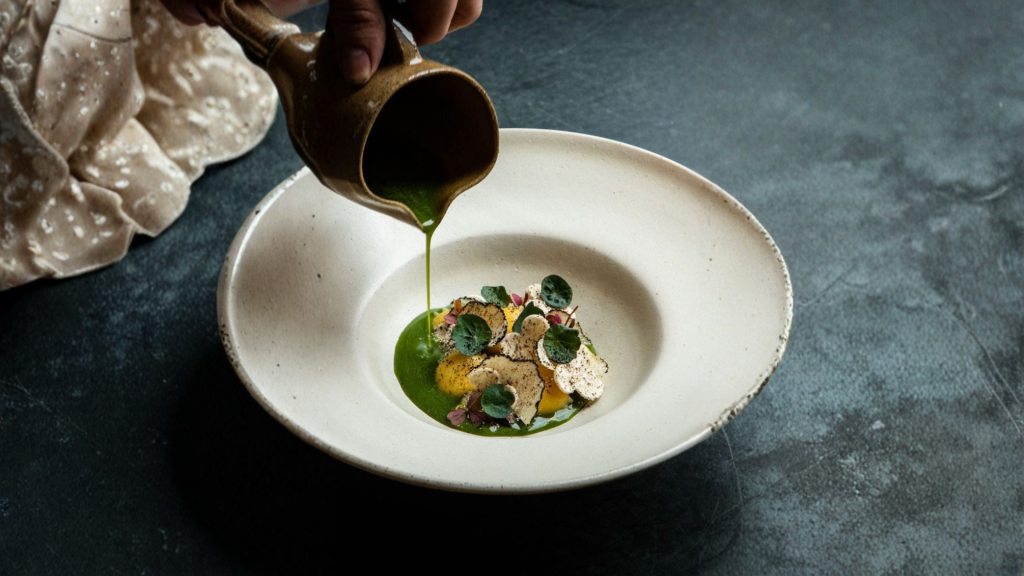
Satiety is linked to richness. Rich, over-the-top foods, high in butter, cream, fats, and reductions, are incredibly satisfying in smaller amounts. Your body and palate both get drained by richness quickly. A four-ounce portion of a slow-braised portobello mushroom in a velvety roasted vegetable and red wine reduction is much more satisfying and richer than any large quantity dish. The small portion is, in a way, a mercy, a larger one would become sugary, overpowering and unpleasant.
Atmosphere and Business Model
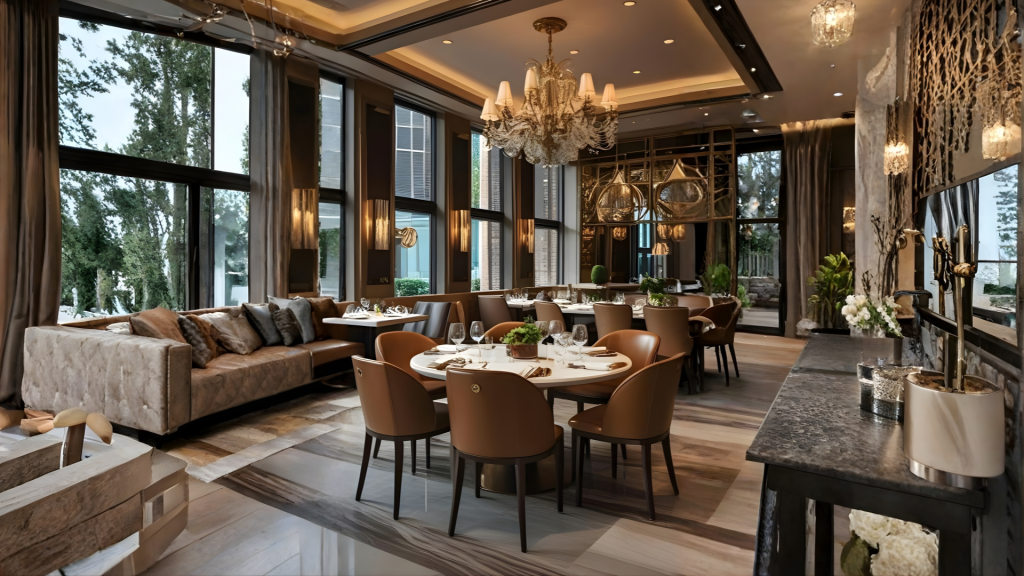
Part of what you’re paying for is the ambiance, the service, the crystal glassware, the space between tables, and the expertise of the staff. The restaurant needs to maintain a certain price point to cover those overheads except those expensive ingredients. Serving smaller portions of premium items allows them to hit a price that customers will pay while still running a viable business. Furthermore, in these settings, the meal is expected to be a long, social, luxurious event (around two to three hours). Therefore, the pacing of small courses facilitates that leisurely experience.
Is Fine Dining Worth the Money?
So, the next time you’re faced with a beautifully minimalist plate, try to reframe the thought. You’re not paying for heavy portions. You are paying for an experience where the quality of the food is the priority, the chef’s skill is on display, and you enjoying the ambiance is the add-on. The goal is to expand your perception of what food can be. And if you truly fear hunger, remember, there’s always room for the generous bread course, and the optional cheese cart before dessert.