One of the primary environmental worries surrounding the world is water pollution. Human activities, industrial waste, and inefficient waste management systems have contaminated and exhausted our rivers, lakes, and groundwater sources. Communities can safeguard drinking water, aquatic organisms, and ecosystems by learning the 10 causes of water pollution and discovering methods to stop pollution of water. As a response to these concerns, the UK government instituted legislation to address concerns of contaminated water, titled the Water Pollution Act.
How Can Pollution of Water Be Prevented?
Water pollution can be combated through individual, industrial and government action.
- Practice reduced chemical usage (pesticides, cleaners, plastics)
- Support and adhere to the Water Pollution Act in your area
- Call for tougher regulations on industrial wastewater
- Implement and promote water recycling systems and sustainable agriculture
- Streamline educational initiatives, particularly in isolated rural and educational community centers
What Are the 10 Causes of Water Pollution?
Before prevention, there must be understanding. Below are the 10 most documented and impact causes of water pollution affecting lakes, rivers, groundwater, and oceans worldwide.
1. Industrial Waste Discharge
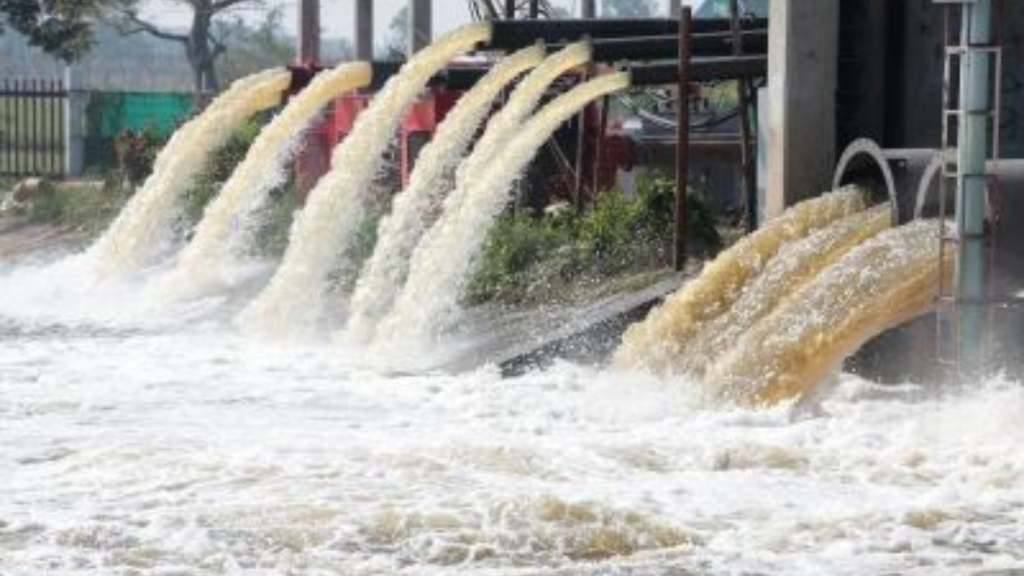
Factories that produce textiles, chemicals, and electronics release heavy metals, leads, mercury, arsenic directly into water bodies. Many developing nations lack the enforcement infrastructure to stop this. Industrial runoff is consistently ranked as one of the top three sources of serious water contamination globally.
2. Agricultural Runoff
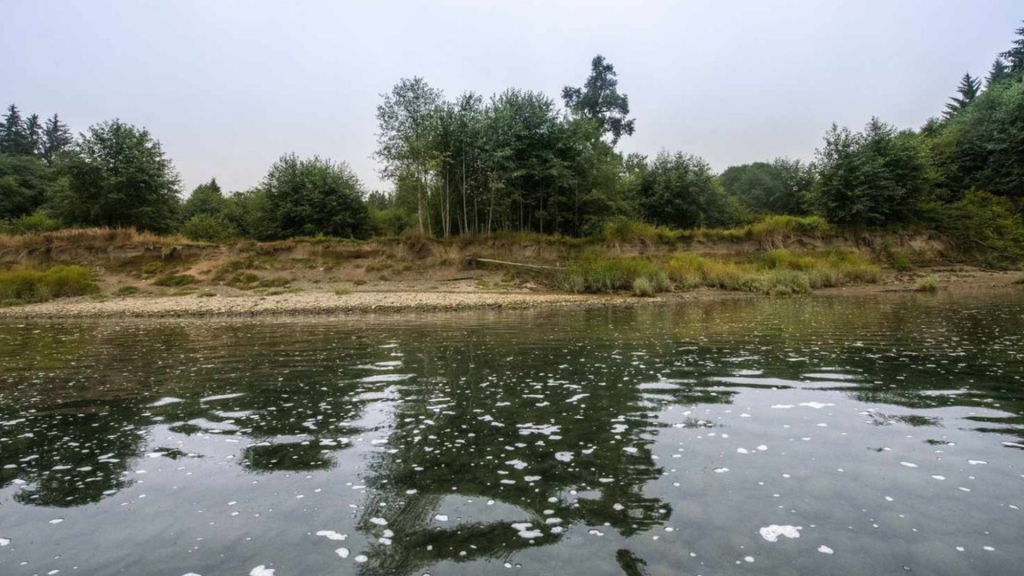
Fertilizers and pesticides applied to farmland wash into rivers and groundwater during rainfall. Nitrogen and phosphorus from these chemicals cause algal blooms, dense growths of algae that strip oxygen from the water and kill aquatic life. This process, called eutrophication, is a primary cause of dead zones in coastal waters.
3. Sewage and Wastewater
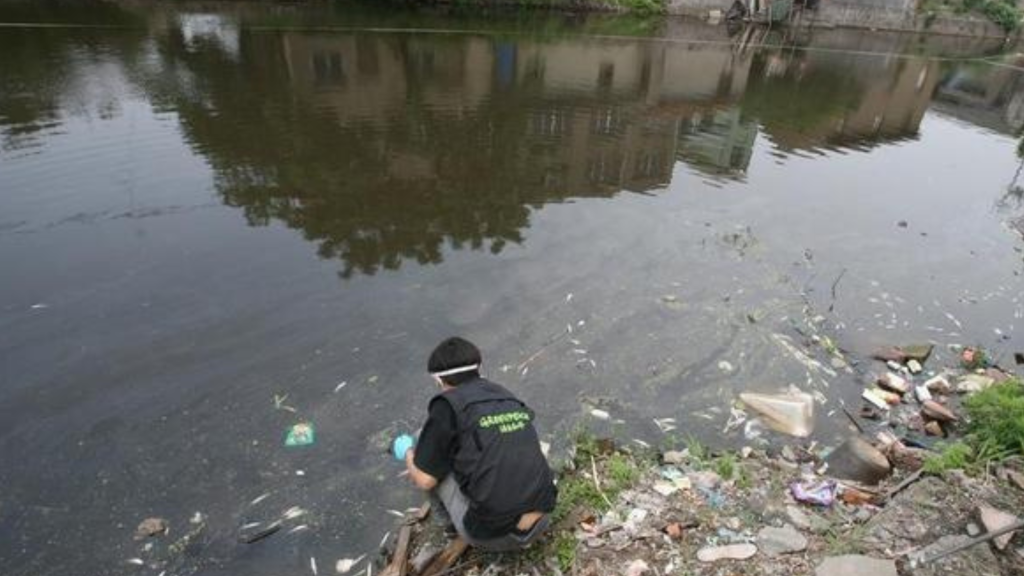
Untreated or under-treated sewage from homes, hospitals, and municipalities carries bacteria, viruses, and pharmaceuticals into water systems. In low-income regions, up to 80% of wastewater is released without any treatment, according to UN Water data.
4. Plastic Waste
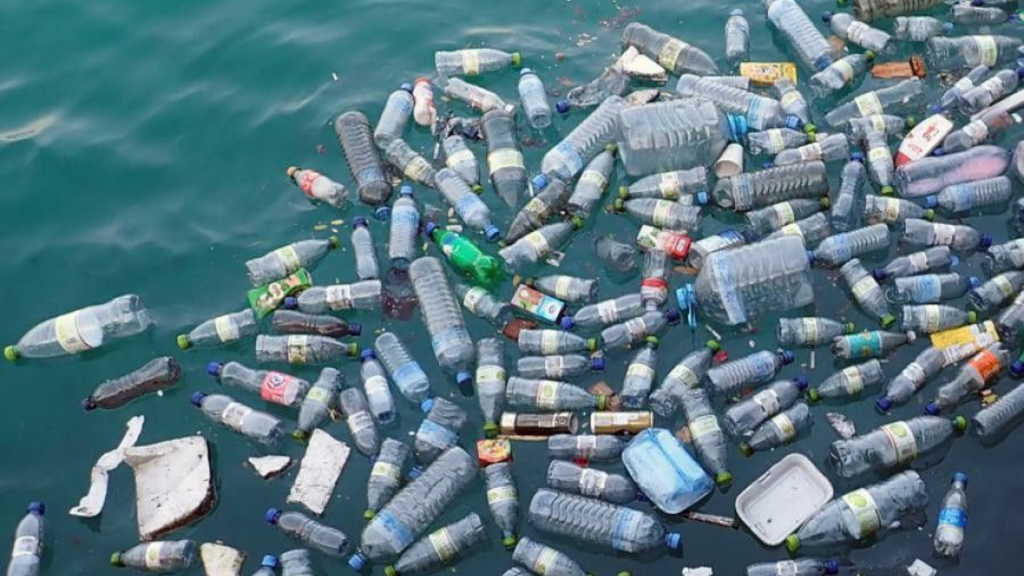
Over 8 million metric tons of plastic enter the oceans every year. Plastics break down into microplastics, which absorb toxins and enter the food chain through fish, shellfish, and eventually humans. Plastic pollution is now found in rainwater, drinking water, and blood samples worldwide.
5. Oil Spills
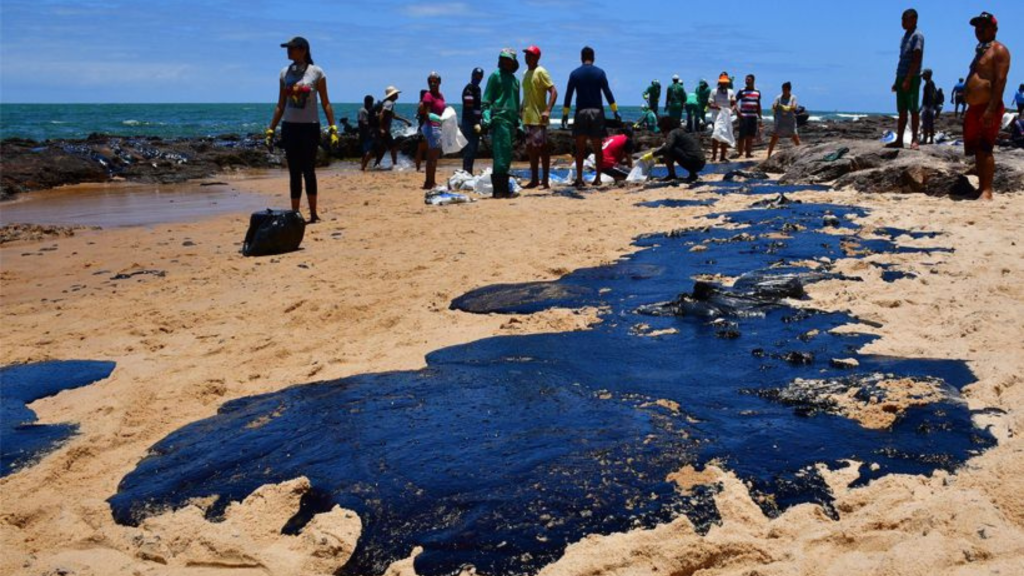
Tanker accidents and pipelines leak release crude oil into marine environments, coating wildlife, suffocating coral, and rendering water sources unusable for years. The ecological recovery from a major spill can take decades.
6. Mining Activity
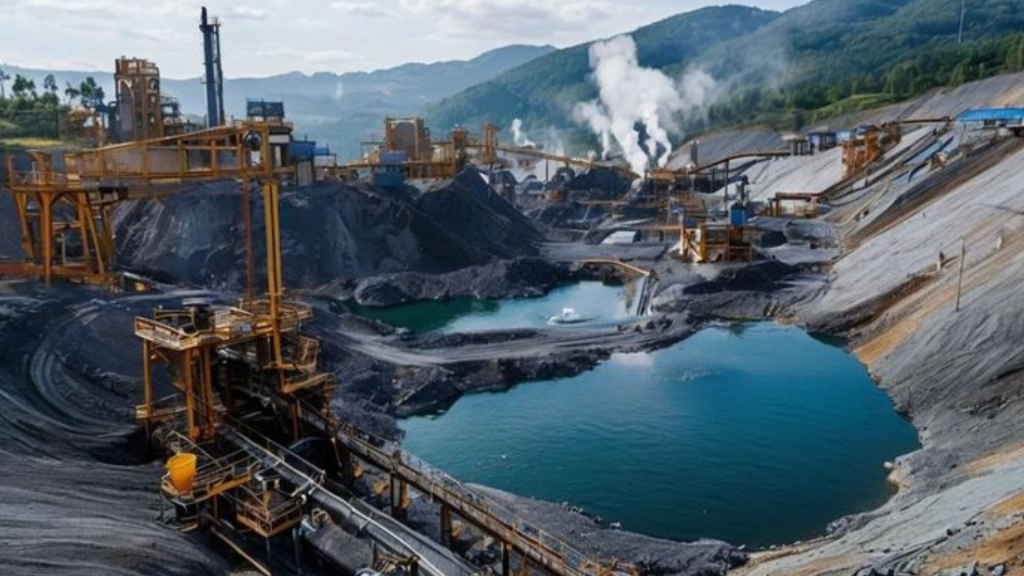
Mining releases sulfuric acid and heavy metals into surrounding waterways, a process known as acid mine drainage. Rivers near active mining zones frequently show elevated concentrations of cadmium, zinc, and iron that devastated local aquatic ecosystems.
7. Deforestation
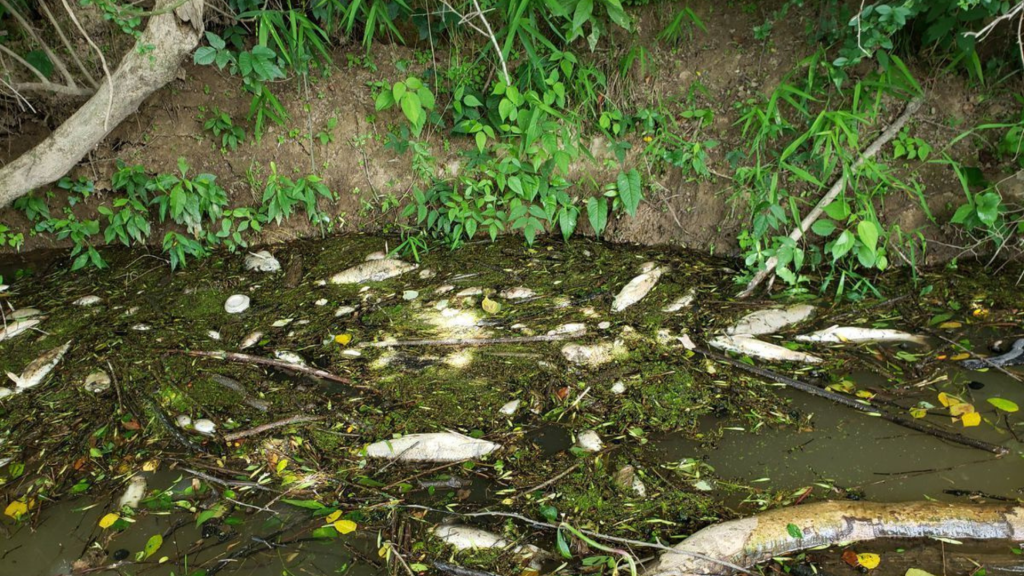
Trees act as natural filters. When forests are cleared, topsoil erodes directly into rivers, raising sediment levels and introducing agricultural chemicals without any natural buffer. Deforestation also raises water temperatures by removing shade, further stressing aquatic species.
8. Thermal Pollution
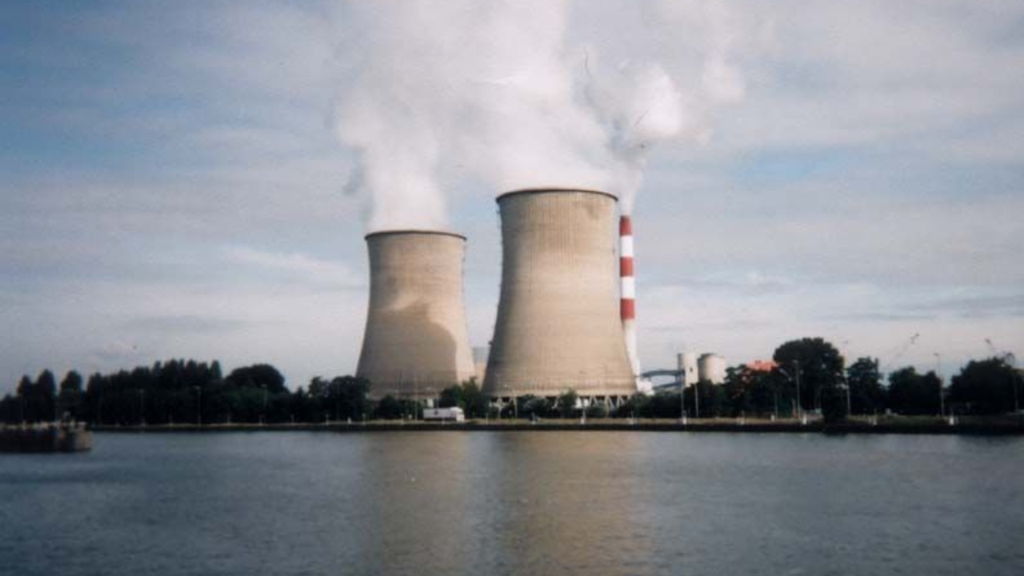
Power plants and manufacturing facilities use water as a coolant, then discharge it back into rivers at significantly higher temperatures. Heated water holds less oxygen, which disrupts the metabolism of aquatic organisms and triggers algae growth.
9. Radioactive Waste
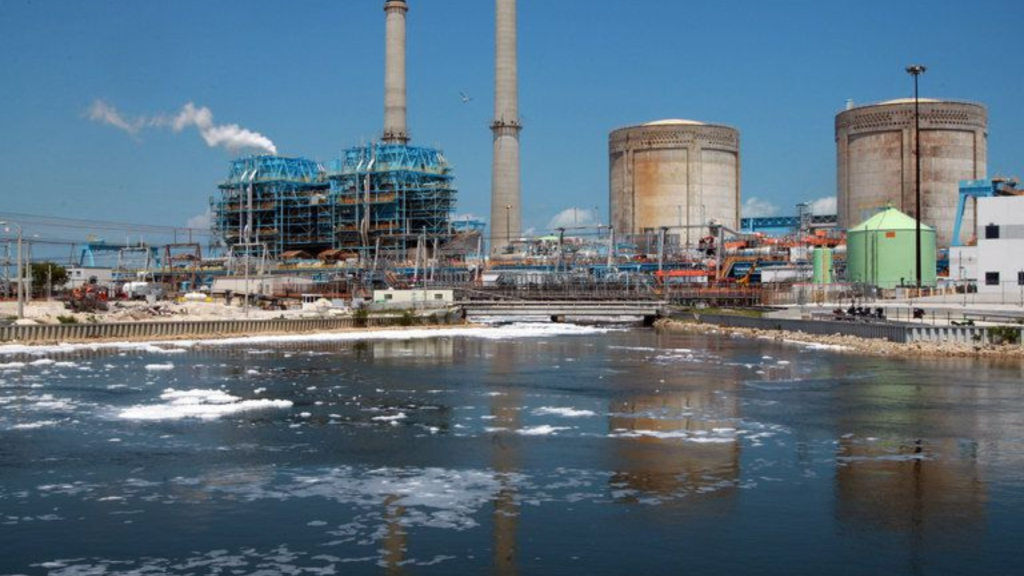
Nuclear power plants and medical facilities generate radioactive materials that, if improperly disposed of, contaminate groundwater for centuries. Exposure to low-level radioactive water is linked to increased cancer risk, genetic mutations, and organ damage.
10. Littering and Urban Runoff
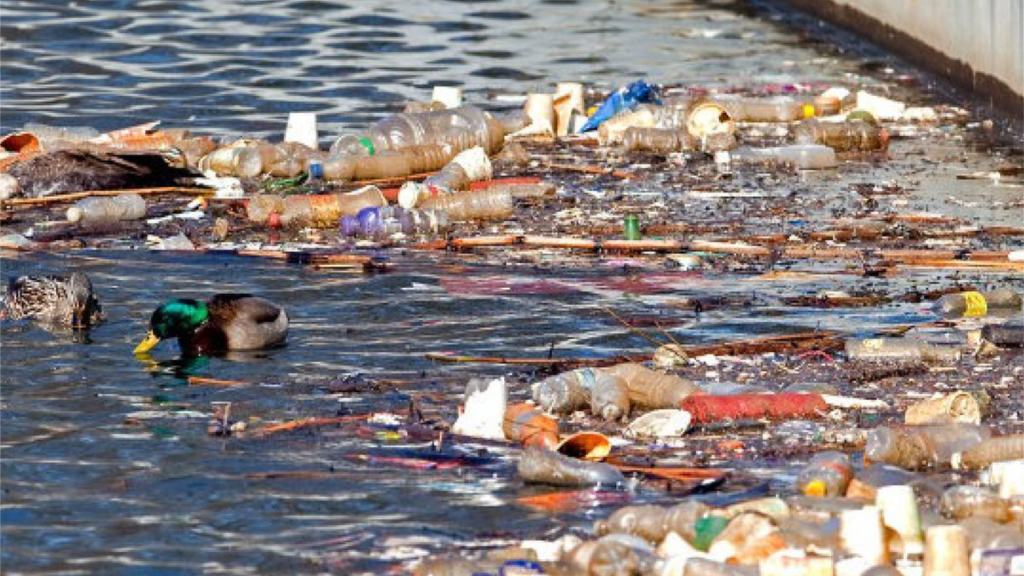
Everyday street litter, cigarette butts, food wrappers, motor oil from roads, gets swept into storm drains during rain and flows directly into rivers and coastal waters. Urban stormwater is one of the most underestimated yet widespread sources of water contamination.
Here are the Prevention of Water Pollution
The prevention of water pollution is not a single solution, it is a layered response across households, industries, governments, and international bodies.
1. At the Individual Level
Personal choices add up. Out of the billions of daily decisions which we make, it is our collective action which shapes what we get out of our water resources.
- Use phosphate free cleaning products and biodegradable soaps.
- Take medications to the pharmacy for disposal instead of flushing them down the drain.
- Eschew single use plastics, use reusables like water bottles, shopping bags and food containment.
- Get under your car and fix oil leaks to put a stop to run off into the roads.
- Put in native plant life near water ways to restore natural filtration. Get involved in local river and beach clean-up programs.
2. At the Agricultural Level
Farming accounts for about 70% of global fresh water use which in turn means it is the largest player in terms of improving or diminishing water quality. Implement precise irrigation to reduce chemical run off.
- Use natural or slow-release fertilizers instead of synthetic nitrates.
- Plant vegetative buffer strips along edge of fields which affect nitrates.
- Practice changing your crops to break natural soil nutrient cycles.
- Protect river and stream banks.
3. At the Industrial Level
Industrial facilities must have strict standards. In the past what we saw was not enough of what we call a voluntary response from industry which is why we have seen the need for legal enforcement.
- Install effluent treatment plants (ETPs) before putting out any waste water.
- Conduct routine third-party audits of water discharge.
- Implement water recycling systems that feed back into the process which will in turn reduce total discharge.
- Replace poisonous industrial inputs with green alternatives.
- Publish out regular reports on environmental impact.
4. At the Government and Policy Level
Without enforcement, regulation is a waste. Governments need to allocate budget towards monitoring systems. They should also implement proper punishment for offending the regulation.
- Improve National and Local levels Water Pollution Acts and enforce them.
- Build and maintain public sewage treatment plants.
- Provide incentives to small and medium enterprises for the use of clean technologies.
- Real-time monitoring of water quality systems should be funded.
- International agreements for the protection of water should be signed and implemented.
Conclusion
Water pollution is an international problem caused by industrial waste, agricultural chemicals, plastics, sewage, and urban runoff. Learning about the ten causes of water pollution helps formulate a plan. While the Water Pollution Act and laws of similar nature require the government to take an active role, pollution of our waterways will only stop if people and industries alter their ways. Effective waste management and better education will allow us to conserve our water resources.