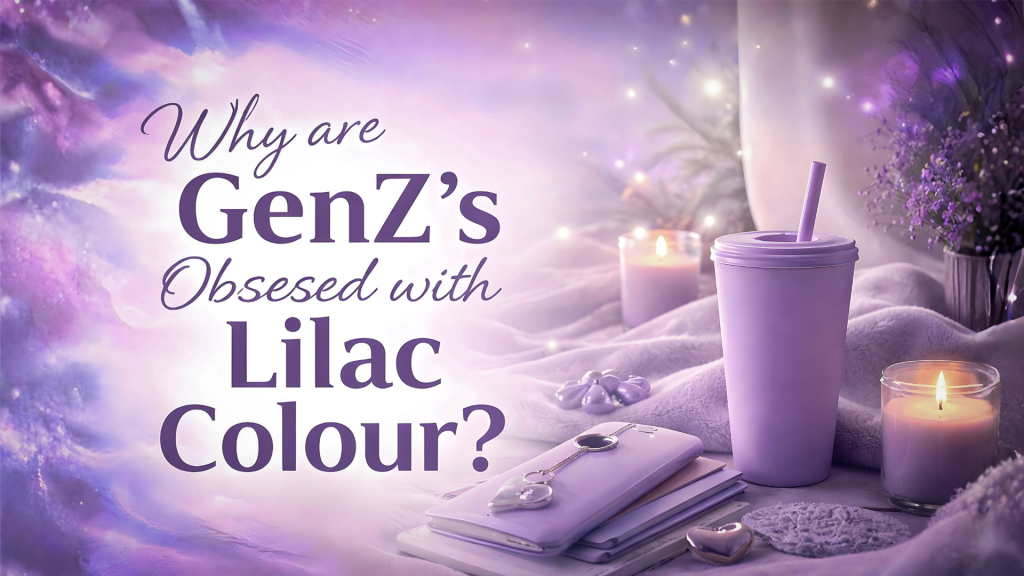
If you’ve scrolled through Pinterest, Instagram, or even walked through a mall lately, you’ve seen it. It’s the haze of a lavender sunset filter, the sheen of a lilac Stanley cup, the soft blur of a Y2K-inspired graphic tee. It’s everywhere. And I couldn’t help but wonder why is my entire generation seemingly obsessed with the colour lilac? I find it as a non-harsh shade of a colour.
Calmness
I started digging, and it turns out, our love for this particular pastel isn’t random. It’s a perfect, pretty signal of who we are. Let’s break it down. First, let’s talk about vibes. Gen Z is chronically online, politically stressed, and economically anxious. We’re bombarded with headlines that are, frankly, not very pastel. Lilac, psychologically, is the visual equivalent of a deep breath. It’s a hybrid of calming blue and spiritual violet. It doesn’t shout. It whispers. In a world that feels aggressively loud and demanding, curating a lilac-hued corner of the internet, a soft aesthetic, a dream core edit, is an act of self-preservation. It’s building a digital sanctuary. My own notes app is a sea of lilac-themed lists, it just makes the to-dos feel less daunting.
Built for Algorithm
Then there’s the algorithm’s kiss. Lilac is photogenic, and it’s algorithm-genic as well. The platforms that raised us, Instagram and Pinterest, thrive on cohesive, aesthetically pleasing feeds. Lilac, with its gentle, low-contrast tone, is perfect for that blurry, VHS-filtered, nostalgic look that dominates #cottagecore and #angelcore trends. It creates a seamless, dreamy visual flow. When I use a lilac filter, my engagement ticks up. It’s a colour the algorithm loves to promote because it’s easy on the eyes and keeps people scrolling in a relaxed, hypnotic state. We didn’t just choose lilac, the digital landscape we live in is painted in it.
Lilac Rejects Gender Boundaries
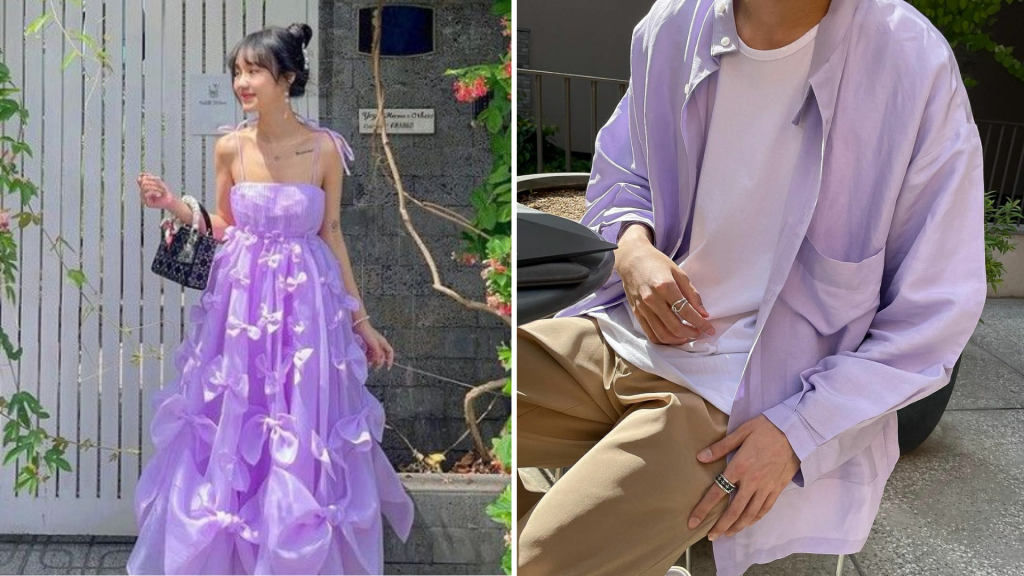
Lilac doesn’t play by the old blue for boys, pink for girls rulebook. It’s rather combination of girly pink and boyish blue. It’s the colour that sits perfectly in the middle, and makes it the ultimate symbol for a generation that rejects rigid labels. For Gen Z, wearing lilac or filling their feeds with it is a simple, visual way of saying, “I’m just me.” It’s our pretty rebellion against being put in a box, proving you don’t have to shout to make a big statement.
Made for Every Skin Tone
This colour is also about identity. Millennials had Millennial Pink, a colour that was bold, instagrammable, and almost a brand in itself. For us, lilac feels different. It’s part of a broader, fluid pastel palette. It deftly sidesteps the tired ‘blue for boys, pink for girls’ binary. Lavender, mauve, periwinkle, these feel inherently inclusive and gender-neutral. In a generation that champions fluidity and rejects rigid labels, a colour that exists beautifully in-between feels like home. It’s a quiet but powerful form of self-expression that says, “I don’t fit in your old boxes.”
And let’s be real, it’s also a rejection. It’s a pushback against the hyper-competitive, “hustle-culture” glam of the 2010s. We’re not drawn to stark neons or aggressive silhouettes. Our rebellion is softer. We’re embracing the “soft life,” “quiet luxury,” and “clean girl aesthetic”, concepts that prioritize peace, quality, and calm over gritty grind. Choosing a lilac sweater over a bold red blazer isn’t a lack of confidence, it’s a statement. It says our strength is curated, our taste is intentional, and our well-being is non-negotiable.
Capitalism and Lilac
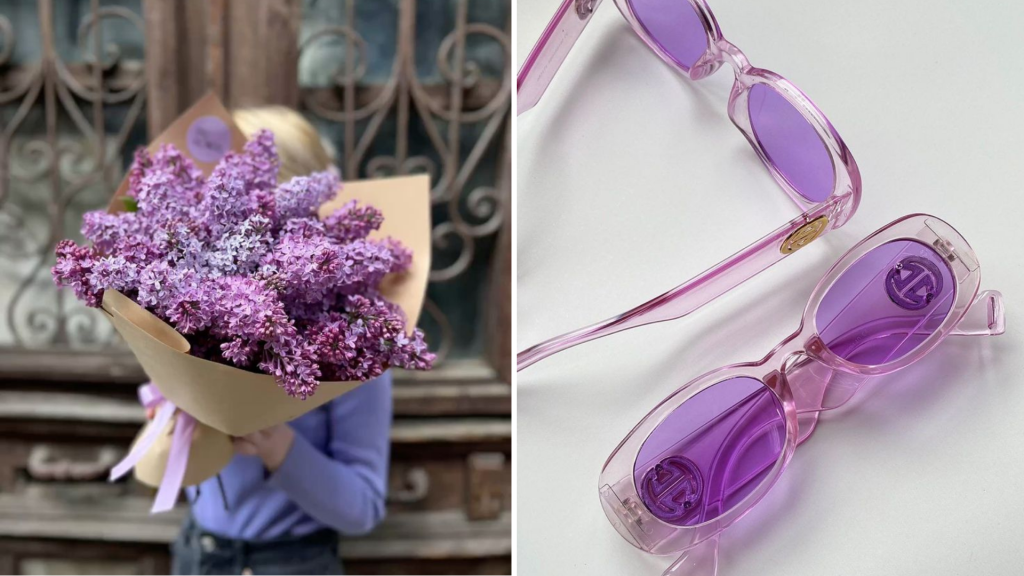
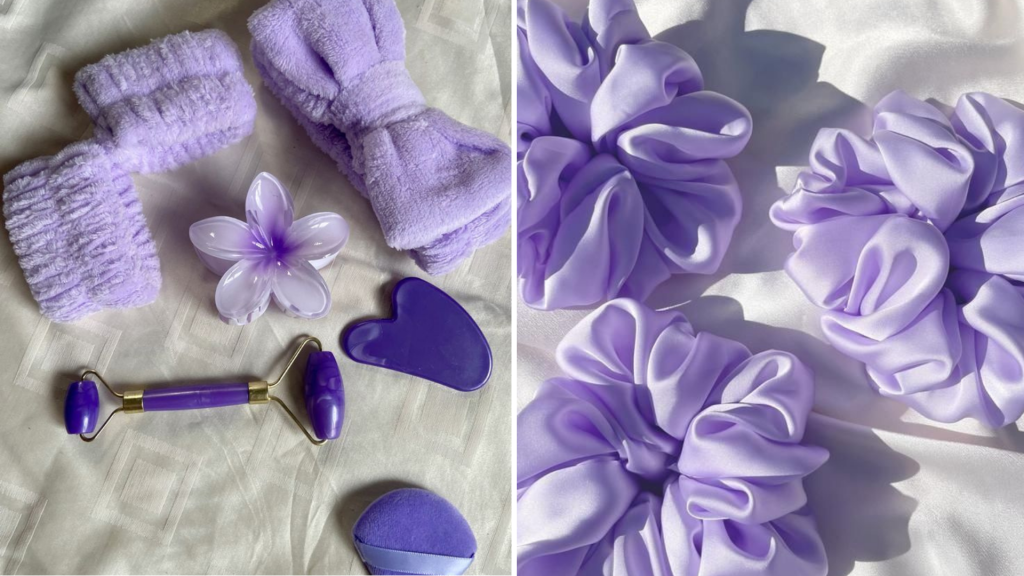
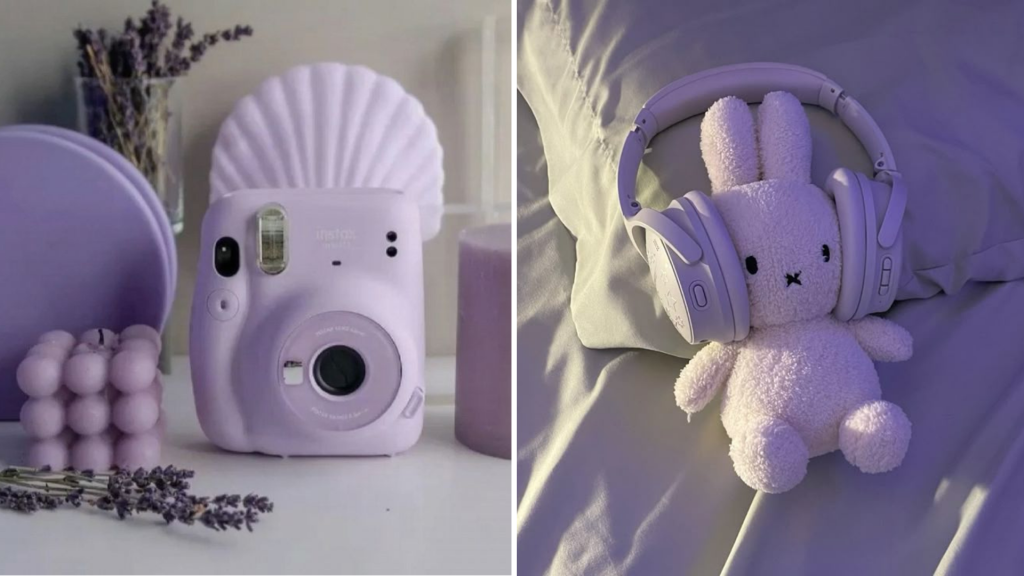
Of course, capitalism caught on fast. Our obsession has been neatly commodified. You can now buy lilac everything: Hydroflasks, iPhone cases, hoodies, eyeshadow palettes, and even lattes. Brands from Glossier to Aerie to tech giants use it to signal they’re modern, mindful, and in tune with our values. They’re not just selling a colour, they’re selling the feeling of calm, inclusivity, and digital-native cool that comes with it. We’re aware of the commercialization, but the meaning we’ve imbued in the colour feels stronger than the marketing.
So, are we “obsessed”? Maybe. But this obsession makes sense. And lilac is more than a trend for obvious reasons. For Gen Z, it’s the colour of our digital souls. It’s our collective sigh, our fluid flag, our gentle “no” to the noise, and our hopeful “yes” to building a kinder, more serene visual world. Look around. The future isn’t bright neon. It’s softly, determinedly, lilac.