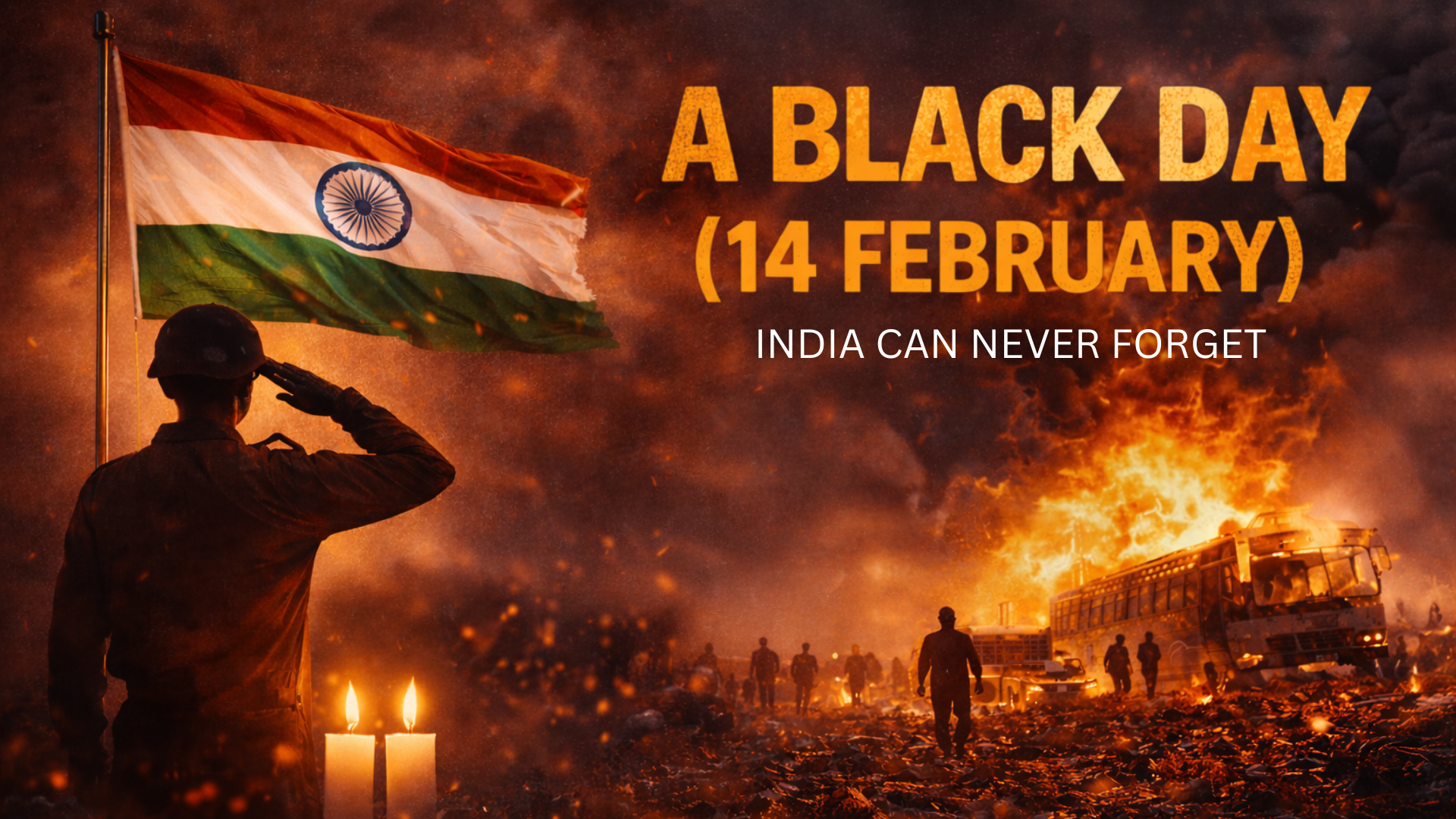
February 14, 2019, is remembered as one of the darkest days in India’s history. On this day, a suicide terrorist attack in the Pulwama district of Jammu and Kashmir led to the martyrdom of 40 CRPF (Central Reserve Police Force) personal. This attack was one of the deadliest on Indian security forces, shaking the entire nation and strengthening India’s resolve in its fight against terrorism.
But why do we call it a Black Day? And why does the date 14 February now carry a weight of grief alongside its usual associations?
What is a Black Day 14 February?
In simple words, a Black Day is a day marked to remember a tragic event that caused deep sorrow, loss, and pain to a nation or a community. It is a day when normal life seems to pause, and the collective heart of a country feels heavy. People observe it to honour the memory of those who were lost, to show solidarity with their families, and to remind themselves of the values under attack. A Black Day is not forgetting, it’s about remembering so strongly that we are compelled to build a safer, more resilient future.
The Pulwama Attack Black Day is exactly that India, a solemn reminder of the sacrifice of its brave hearts and the ever-present threat of terrorism.
What are the horrific details of the 14 February Pulwama Attack?
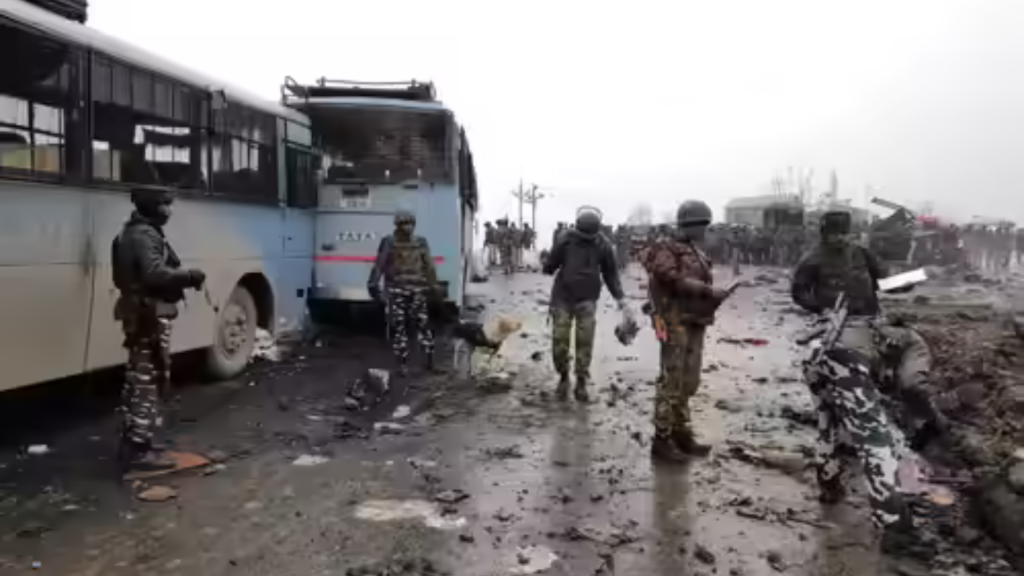
This afternoon, a convoy of 78 vehicles carrying over 2,500 CRPF personnel was moving on the Jammu-Srinagar National Highway. These were men returning from leave or heading to their duties, ordinary heroes on a routine journey. Near Lethpora in Pulwama, at around 3:15 pm, a car loaded with over 300 kg of explosives rammed into one of the buses.
The blast was devastating. It instantly ripped apart the bus and damaged other vehicles in the convoy. The images that followed were heart-wrenching, the mangled remains of the bus, personal belongings scattered, and a nation in utter shock. In one moment, 40 families lost their sons, husbands, father, and brothers. The attackers didn’t just target a bus, they targeted the very fabric of India’s peace and security.
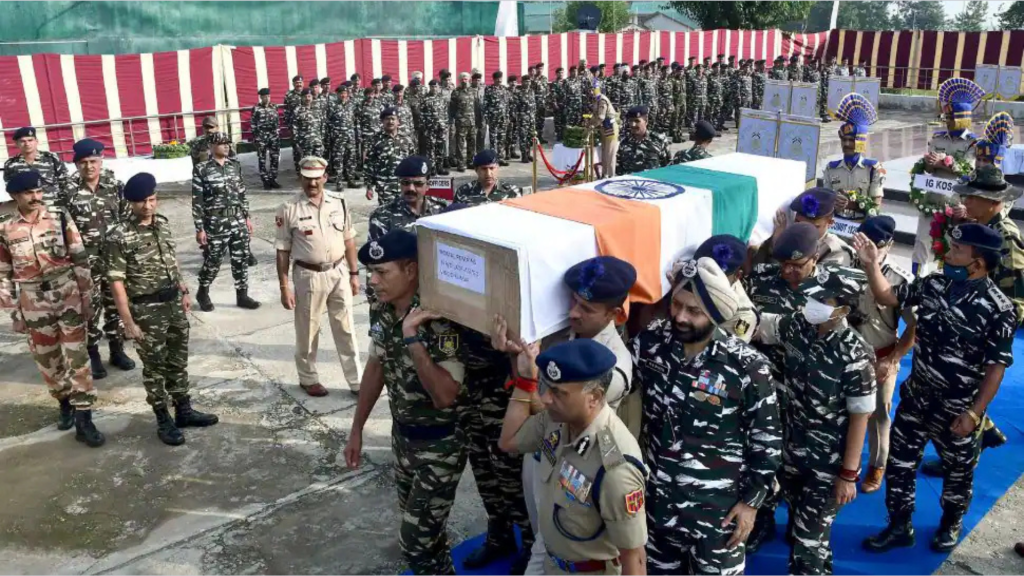
The nation’s response was a mix of overwhelming grief and fierce anger. Social media flooded with tributes, candlelight vigils were held across towns and cities, and a profound sense of unity emerged. People from all walks of life, irrespective of religion or region, stood together. This collective mourning showed that when tragedy strikes, India stands as one.
What was beyond the Headlines?
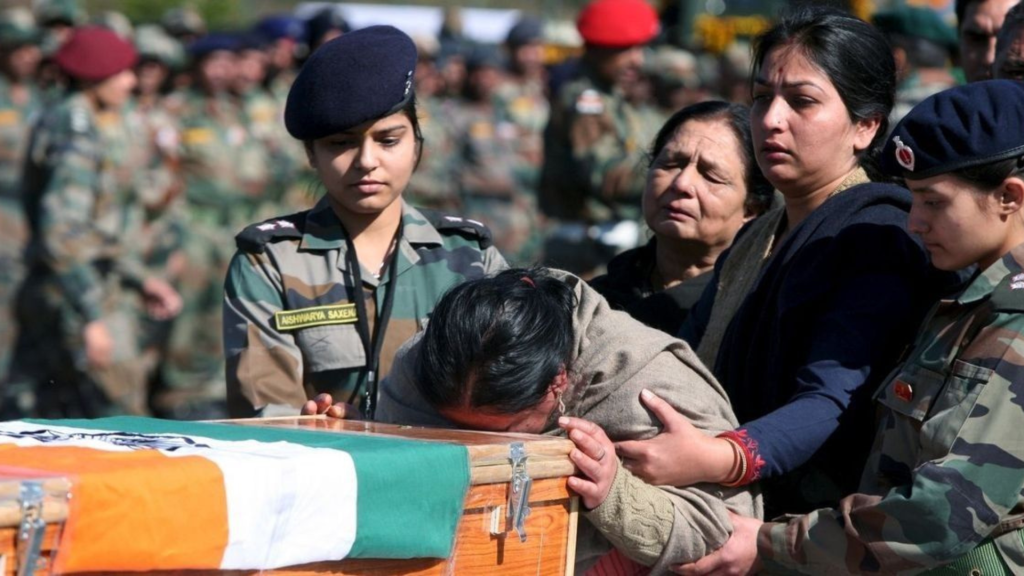
While we remember the number 40, it’s crucial to remember that each number was a life with dreams, hopes, and love. A martyr who was planning his daughter’s wedding. Another who had just spoken to his mother. A young jawan excited about his future. The 14 February Pulwama Attack stole these stories mid-sentence. Observing this day as a Black Day 14 February is about honouring these individual stories of valour. It’s about the empty chair at a dining table, the uniform kept with pride, and the silence in homes that once echoed with laughter.
The Aftermath and India’s Resolve
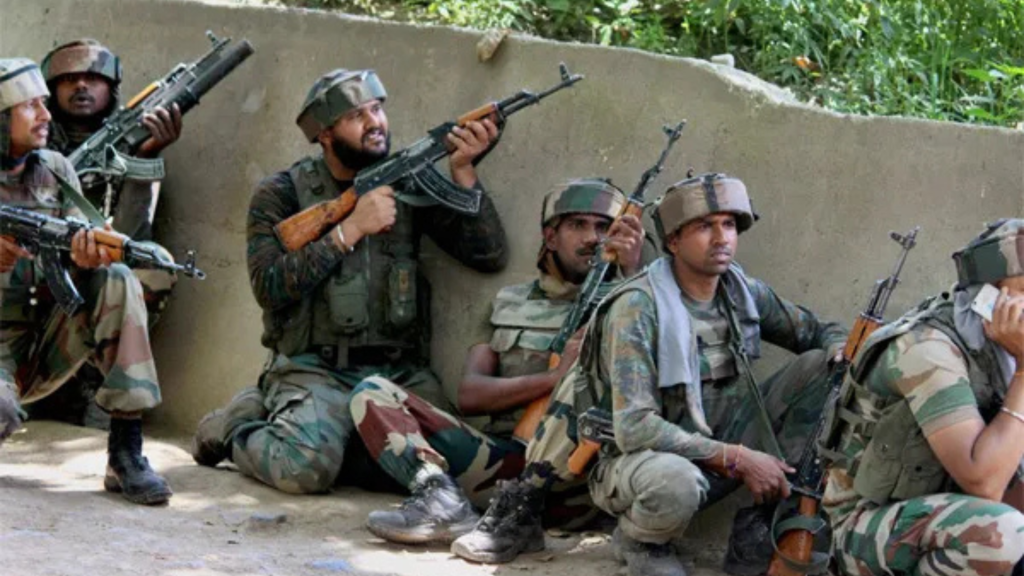
The attack led to a significant and determined response from India. In the days that followed, the security forces were given a free hand to hunt down the perpetrators. The Indian government also took firm diplomatic steps to isolate the supporters of terrorism on global platforms. The message was clear, the cost of attacking India would be unbearable.
More importantly, the attack forged an iron-clad resolve. It becomes a turning point, reinforcing the nation’s commitment to zero tolerance towards terrorism. The sacrifice of the 40 CRPF jawans became a symbol of unwavering courage, fuelling the spirit of every security personal guarding the nation’s borders.
Why Must We Remember This Black Day?
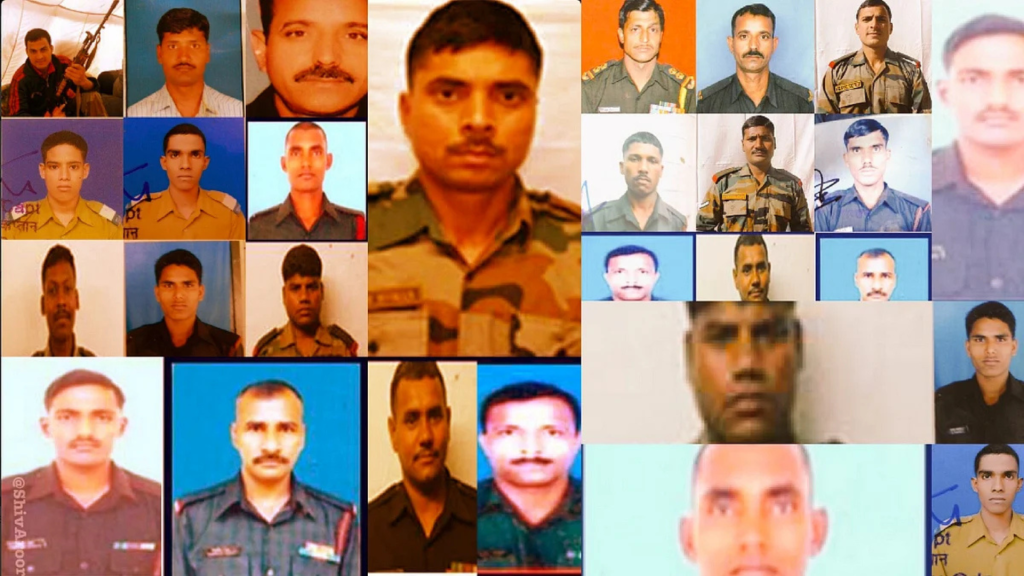
You might ask, why keep remembering such a painful event? Isn’t it better to move on?
We remember so that we never become numb. The Pulwama Attack Black Day serves several vital purposes.
- Honour & Respect: It is our duty as a grateful nation to bow our heads to the supreme sacrifice of our soldiers. Forgetting would be the Greatest injustice.
- National Unity: In times to of such grief, difference fade. Remembering the day reinforces the unity that is our greatest against forces that seek to divide us.
- Vigilance: It is a stark reminder that peace is fragile. It reminds both citizens and the establishment to remain alert and resilient.
- A Message to Forces of Terror: It sends a powerful message that India does not, and will not, forget. The memory of its martyrs fuels its resolve to fight back and protect its sovereignty.
A Day of Two Emotions
It is a strange twist of fate that 14 February is globally celebrated as a day of love, Valentine’s Day. For India, this date now carries a dual significance. It doesn’t take away from the personal celebrations of love, but it adds a layer of profound, national love, a love for the motherland and for those who loved her enough to give their lives for her.
This Black Day 14 February is, therefore, a day of patriotic love. A love expressed through remembrance, respect, and resolve.