



Did you know that some languages spoken today have been around for nearly 6,000 years? While most modern languages have evolved over just a few centuries, there are still some ancient tongues that have survived empires and wars. Languages are more than just words, they are living connections to our ancient past. These languages hold stories of lost civilizations, rich cultures, and evolving societies, bridging the gap between history and modern life. To feed your curiosity, let’s explore the world’s oldest languages that remain living vehicles of daily communication.
14 Oldest languages in the World
1. Tamil
Emerging from South India and Sri Lanka, Tamil boasts an incredible lineage of over 2,300 years of documented history, with its proto-forms potentially stretching back nearly 5,000 years. Recognized as a classical language, it maintains an unbroken literary tradition dating to at least 300 BCE. This remarkable continuity, surviving empires and profound cultural shifts, secures its status as the world’s oldest living language.
2. Sanskrit
Originating in the Indian subcontinent, Sanskrit is an ancient liturgical language with origins over 3,500 years old. It is the sacred language of Hinduism, enshrined in foundational texts like the Vedas. While no longer a commonly spoken tongue, it remains a vital scholarly and ceremonial language. Its profound influence is seen as the primary root for many major languages across South and Southeast Asia.
3. Egyptian (Coptic)
The language of the Pharaohs, Egyptian has the oldest written records of any language, dating back over 4,700 years to ancient hieroglyphs. It evolved through several stages, with its final form known as Coptic. Though displaced by Arabic as a daily language, Coptic survives today as the liturgical language of the Coptic Orthodox Church. Its written history provides an unparalleled window into one of humanity’s foundational civilizations.
4. Hebrew
With roots in the Levant over 3,000 years ago, Hebrew is the ancient language of the Hebrew Bible. It ceased to be a common spoken language for centuries, preserved primarily as a liturgical and literary tongue. In the 19th and 20th centuries, it underwent a unique and successful revival as a modern, living language. This makes it the world’s most prominent example of a language reborn as a mother tongue.
5. Greek
Native to Greece and the Aegean, Greek has a documented history spanning over 3,400 years, from Mycenaean linear B tablets to the modern language spoken today. It boasts the language of Homer, Plato, and the New Testament, it has served as a vessel for philosophy, science, and democracy. Modern Greek represents a direct, evolved descendant of his ancient lineage.
6. Chinese (Mandarin)
Originating in the North China Plain, the Chinese language family has a history exceeding 3,200 years. The earliest evidence comes from oracle bone inscriptions of the Shang Dynasty. While spoken forms have evolved, the written script has demonstrated remarkable continuity, allowing modern readers to access ancient classics. Mandarin, the modern standard, carries forward this unbroken linguistic and cultural tradition.
7. Aramaic
From its homeland in the ancient Levant over 3,100 years ago, Aramaic rose to become the administrative and diplomatic lingua franca of vast Near Eastern empires. It was the everyday language of Jesus and is featured in sections of the biblical books of Daniel and Ezra. Though its use has diminished, several distinct Neo-Aramaic dialects are still spoken by small, scattered communities in the Middle East today.
8. Farsi (Persian)
The language of Persia (modern Iran), Farsi descends from Old Persian, which dates back over 2,500 years. It served as the prestiges of court and poetry across a vast cultural sphere from Turkey to India. Remarkably conservative in its grammar and core vocabulary, a modern Iranian can read a 1,000-year-old poem by Ferdowsi with relative ease. It stands as a continuous pillar of Iranian and high culture.
9. Latin
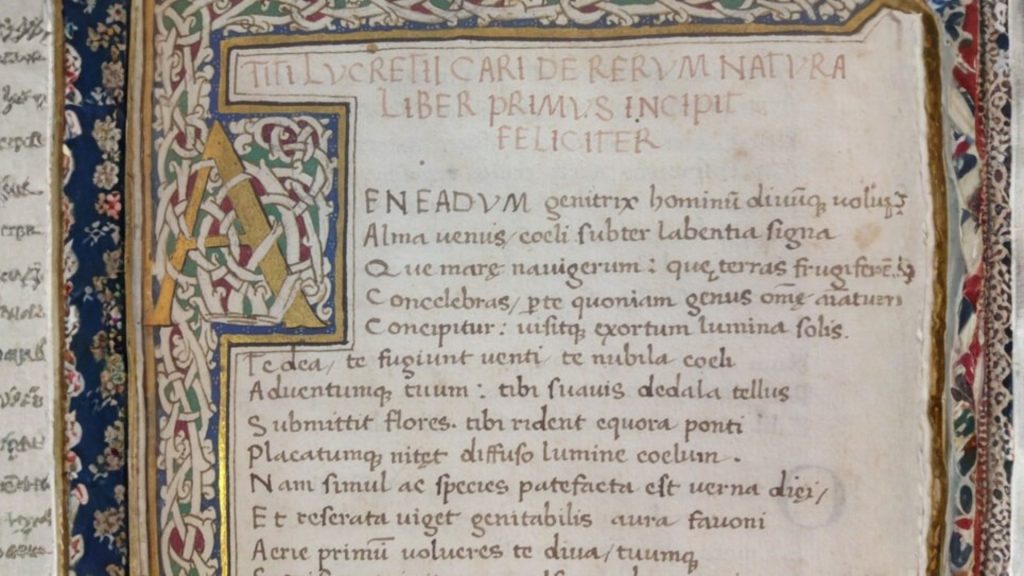
Born in the region of Latium in Italy, Latin’s documented history spans over 2,700 years. It evolved from the language of a small city-state into the official tongue of the Roman Empire, shaping law, science, and literature across Europe. Although it ceased to be a native spoken language, it lived on as the language of the Catholic Church, scholarship, and science. It is the direct ancestor of the Romance languages spoken by hundreds of millions today.
10. Japanese
The origins of Japanese are complex and debated, but its first substantial written records from 8th-century Japan reveal an already mature and distinct language. While heavily influenced by Classical Chinese in its writing system and vocabulary, it remains a unique linguistic isolate. Its ancient literary works, like The Tale of Genji, showcase a refined and sophisticated cultural tradition that continues to evolve to the present day.
11. Basque
Hailing from the Pyrenees region of Spain and France, Basque is Europe’s great linguistic mystery, a pre-Indo-European language isolate with no known relatives. Its origins are lost to time, making it potentially the oldest surviving language on the European continent. It has persisted for millennia despite the dominance of surrounding Romance languages. Its survival offers a unique, living window into the peoples of prehistoric Europe.
12. Lithuanian
Emerging in the Baltic region, Lithuanian is a modern language with profoundly ancient roots in the Proto-Baltic branch of Indo-Europe. Linguists prize it as one of the most conservative living languages, preserving many archaic features of Proto-Indo-European in its grammar and sound system. This makes it a crucial key for reconstructing and understanding the ancient mother tongue from which most European and Indian languages descended.
13. Irish Gaelic
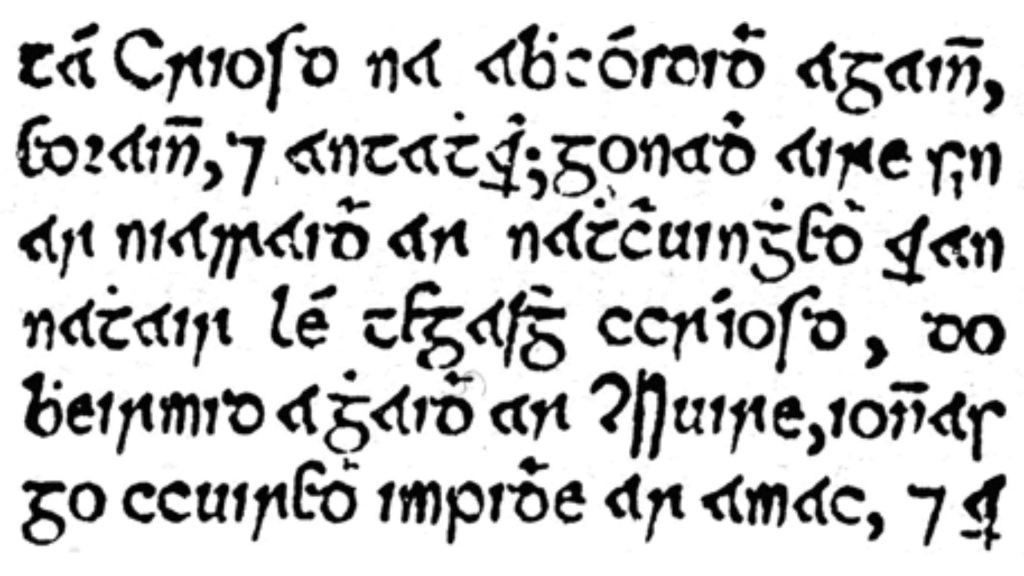
With origins in Ireland, Irish Gaelic boasts the oldest vernacular literature in Western Europe, with inscriptions in the Ogham alphabet dating from the 4th century CE. It represents the earliest form of the Goidelic branch of the Celtic languages. Although its number of daily speakers has declined, it remains Ireland’s first official language and a powerful symbol of national heritage, culture and identity.
14. Icelandic
Brought to Iceland by Norse settlers in the 9th century, Icelandic is the modern descendant of Old Norse. Due to Iceland’s geographic isolation and a national policy of linguistic purism, the language has changed remarkably little over the centuries. Modern Icelanders can read the epic medieval sagas written nearly a thousand years ago with minimal difficulty, maintaining a living, spoken connection to their Viking-Age ancestors.
Why Study the Oldest Languages in the World?
Studying the oldest languages is more than an academic pursuit, it is a direct excavation of human consciousness. These languages provide unparalleled access to the foundational texts, myths, and legal codes that shaped early civilizations. They allow us to understand how our ancestors perceived the world, structured their societies, and wrestled with concepts of philosophy, divinity, and science. Deciphering them is crucial for historians and archaeologists, offering the only true key to interpreting primary sources.
Ultimate Keeper of History
The survival of these oldest languages is a testament to human resilience, serving as living bridges to our past. They carry the wisdom, stories, and identities of entire civilizations directly into the modern world. From everyday speech to sacred texts, these tongues are not mere relics but active vessels of culture. Their endurance reminds us that language is the ultimate keeper of history, ensuring the voices of our ancestors remain part of humanity’s ongoing conversation.