Table of Contents
Protein is what your body uses to build and repair itself. It helps your muscles, skin, hair and nails, and it helps you heal after a cut or an illness. You don’t need a gym, a trainer or costly powders to get enough of it. You only need to know your number and eat a few everyday foods.
How to Calculate Your Daily Protein Requirement (Per Kg)
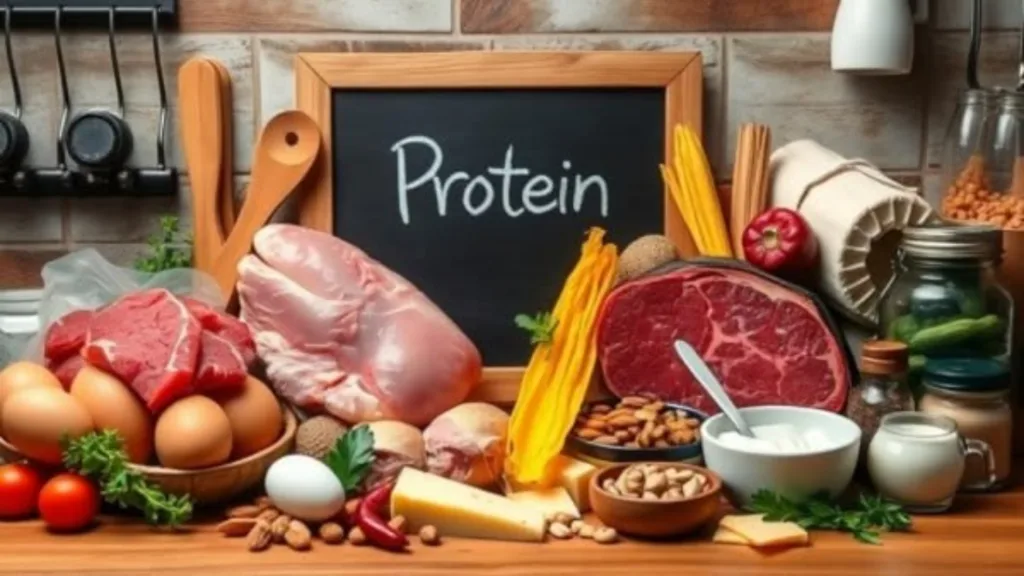
The number is 0.83 grams of protein for every kilogram you weigh. This comes from the ICMR-NIN guidelines for Indians, made in 2020. To keep the maths simple, you can just use 0.8. Take your weight in kg and multiply it by 0.8. If you weigh 60 kg, you need 48 grams a day. At 70 kg, you need 56 grams. At 80 kg, you need 64 grams. Here is a small tip.
Use 1 gram per kg instead. At 60 kg, that is 60 grams. It is easier to remember, and it gives you a little extra. Don’t know your weight? A pharmacy or clinic near you often has a scale. Use the weight you have today. If you are much heavier or much lighter than a healthy weight, ask a doctor or dietitian for your number.
Do You Need More Protein? Age, Pregnancy and Recovery

The number above is the minimum. Some people need more. If you are above 60, eat about 1 to 1.2 grams per kg. Our body loses muscle faster as we get older, and protein helps slow that down. Pregnant women need more protein from the fourth month onwards.
Mothers who are breastfeeding need even more. The same goes for anyone recovering from surgery, an injury or a long illness, because the body is busy repairing itself. Children and teenagers need protein to grow. How much depends on their age, so please ask your child’s doctor.
How Much Protein Per Day to Build Muscle?
You don’t need a gym to build muscle. Push-ups, squats, climbing stairs and brisk walking at home all count. So does hard physical work, like carrying loads, farming or construction. If you work hard with your body or exercise at home most days, eat a little more than the minimum. Aim for 1.2 to 1.6 grams for every kg you weigh.
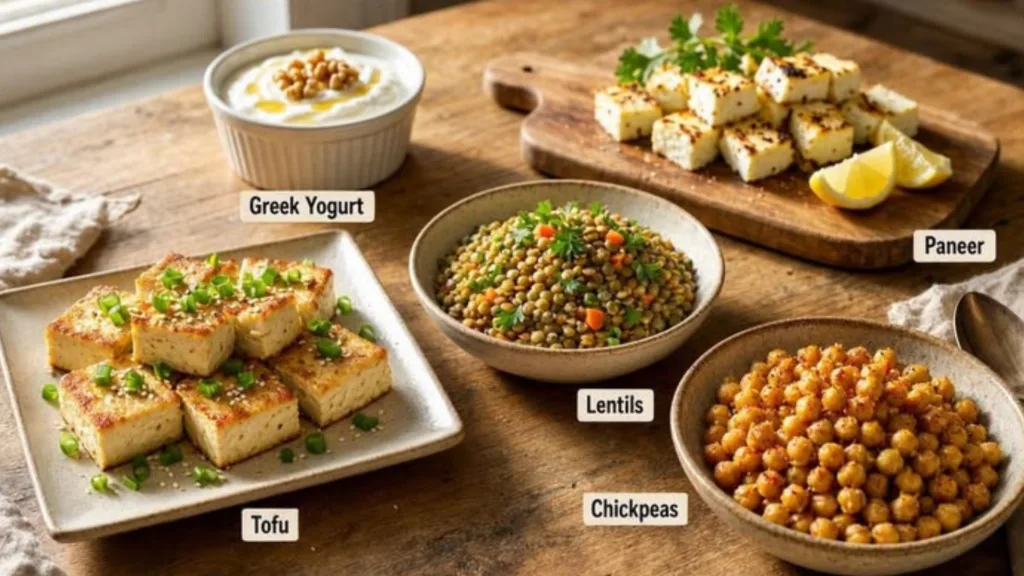
At 60 kg, that is about 72 to 96 grams a day. Eating more than this does not help much. Your body also needs enough food, good sleep and rest. Protein alone will not build muscle. You don’t need protein powder either. It costs a lot, and normal food does the same job. Dal, soya chunks, chana, peanuts, eggs and curd are enough.
How Much Protein Per Day for Weight Loss?
When you eat less, your body can lose muscle along with fat. Protein helps you keep your muscle. It also keeps you full for longer, so you feel less hungry. If you exercise, eat 1.2 to 1.6 grams per kg. If you don’t exercise, eat about 1 gram per kg. Also fill half of your plate with vegetables. A daily walk helps too, and it is free. For more ideas on what to put on your plate, read our guide to 5 powerful natural foods for weight loss.
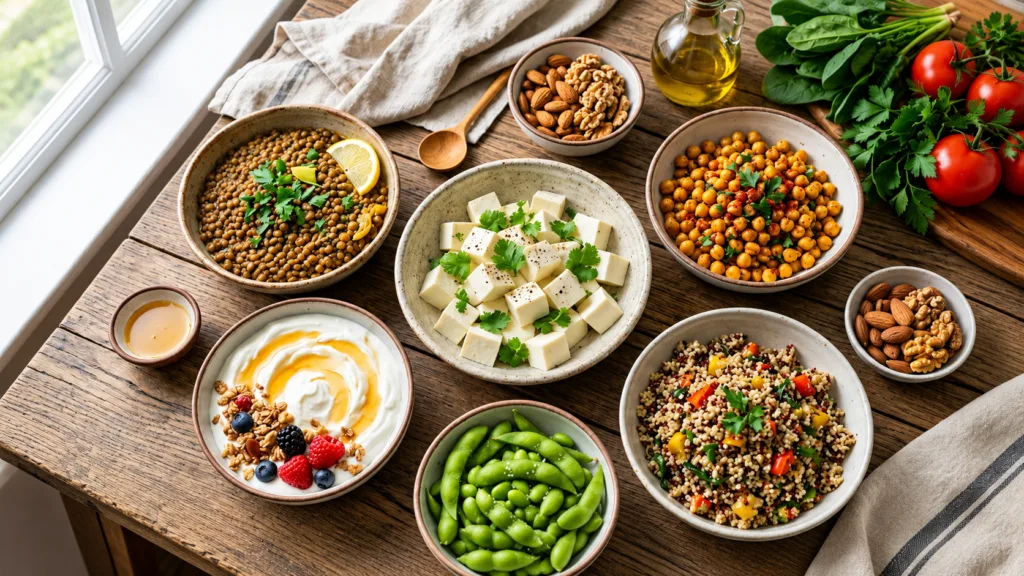
Protein-Rich Foods in India: Protein Chart Per Serving
| Food | Approx. Protein |
|---|---|
| 1 Egg | 6 g |
| 1 Katori cooked dal | 7 g |
| 1 Katori curd (about 150 g) | 5 g |
| 100 g paneer | 18 g |
| 100 g Chicken breast, cooked | 30 g |
| 30 g Soya chunks, dry | 15 g |
| 1 Roti | 3 g |
| A fistful of roasted chana | 7 g |
| 30 g peanuts | 8 g |
You don’t need to worry. Eat dal with rice or roti, and each one covers what the other is missing. Soya is a complete protein by itself.
High-Protein Vegetarian Indian Diet Plan (Sample Day)
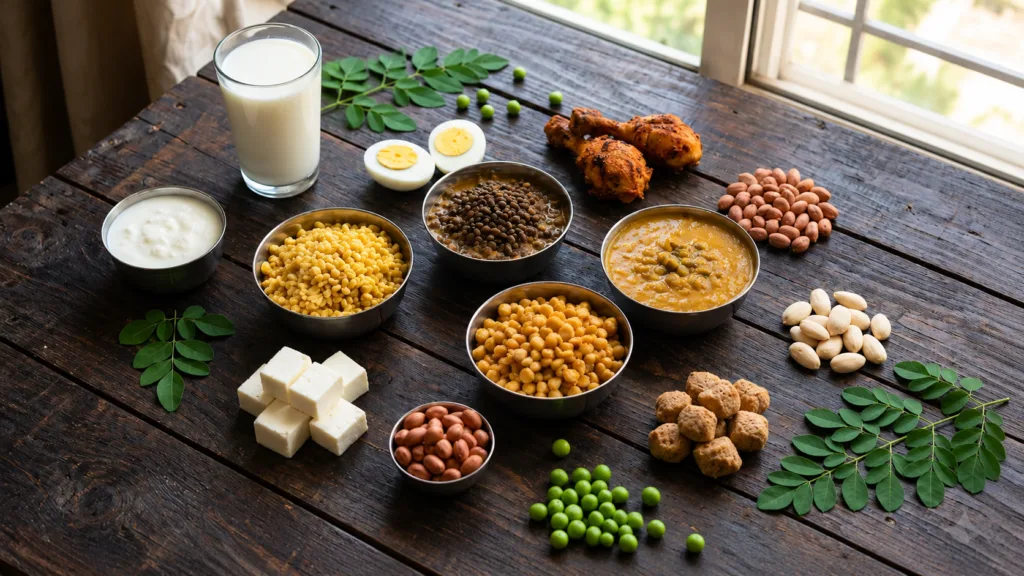
Here is a low-cost example for someone who weighs 60 kg and does not eat eggs.
- For breakfast, have two moong dal chillas and a bowl of curd. That is about 15 grams. Need more morning options? Try these 10 quick and healthy breakfast ideas.
- For lunch, have two rotis, a bowl of dal, a bowl of curd and a sabzi. That is about 18 grams. If you carry a tiffin to work, these Indian one-pot office lunch recipes can help.
- In the evening, have roasted chana or peanuts for about 7 grams.
- For dinner, make a sabzi with 30 grams of dry soya chunks and eat it with two rotis. That is about 21 grams.
The whole day comes to about 61 grams. If you can afford paneer, it is a good extra, but you don’t need it. A simple rule helps: put one protein food in every meal.
Can You Eat Too Much Protein?
For healthy adults, up to 2 grams per kg a day is safe. But if you have a kidney problem, talk to your doctor first. Doctors often ask kidney patients to eat less protein. The same applies to liver problems. If you are healthy, you don’t need to eat more than this. It will only cost you more money.
Signs and Symptoms of Protein Deficiency
If you don’t get enough protein for many months, you may notice these things: losing muscle and feeling weak, feeling tired all the time, cuts or illnesses that heal slowly, hair fall, weak nails and dull skin. Children may not grow well. These can have other causes too, so don’t decide on your own. For example, constant tiredness is also a common sign of vitamin B12 deficiency in India, especially among vegetarians. If you mostly eat rice, roti and tea, check your protein first.
How Much Protein Should You Eat Per Day?
Multiply your weight in kg by 0.8. That is your minimum. If you work hard physically or exercise, use 1.2 to 1.6 instead. If you are above 60, use about 1 to 1.2. Eat some protein in every meal.
Cheap foods like dal, soya chunks, chana, peanuts and eggs are enough, and you can skip the powder. If you have a kidney problem, are pregnant or have any other health problem, talk to a doctor or dietitian before you change your diet.