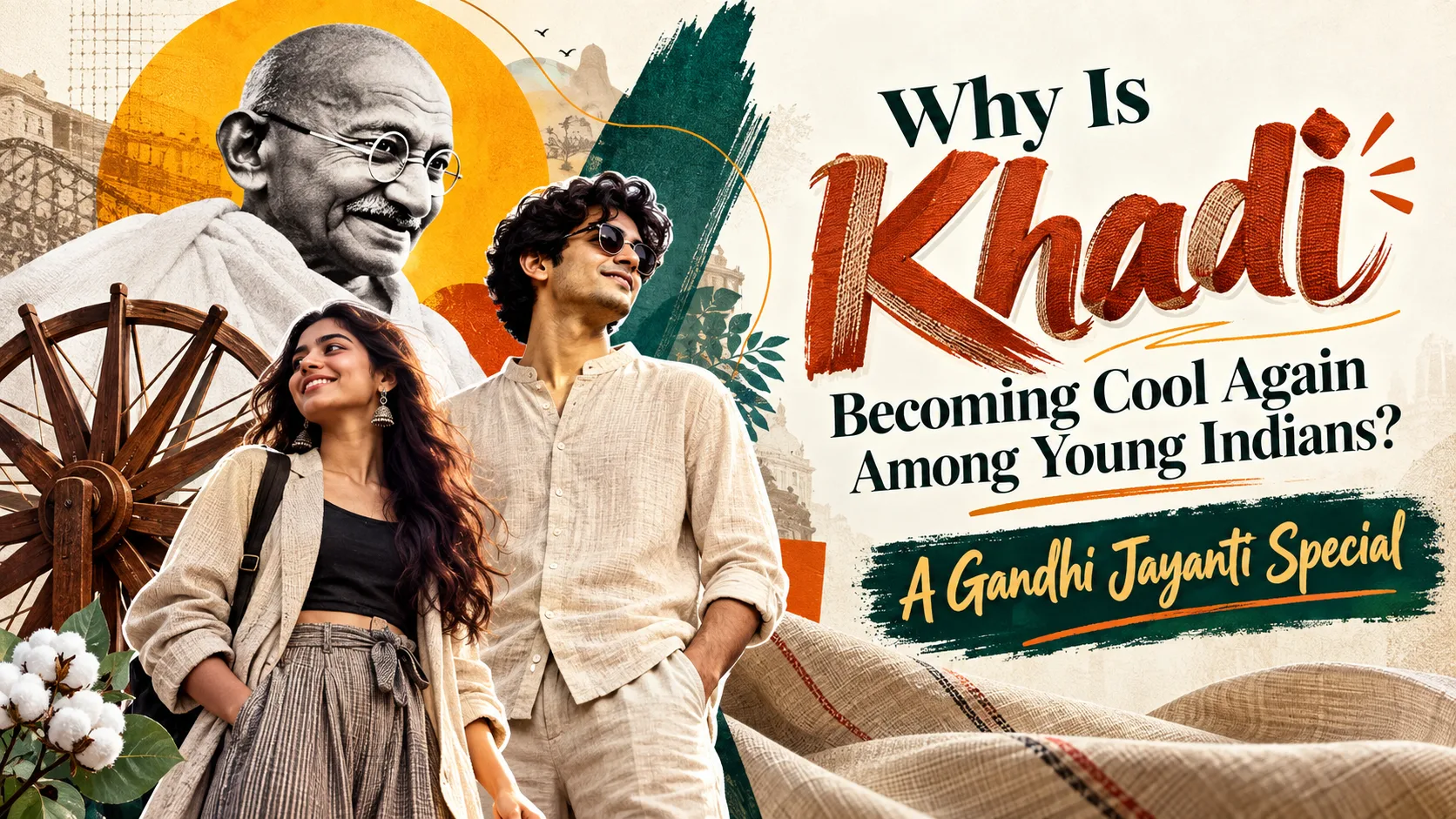
2nd October is closely associated with Mahatma Gandhi, and few Indian symbols are as closely tied to him as Khadi. But the fabric is now being seen in a very different way. For many Indians, Khadi still brings back images of Gandhi, the charkha, freedom fighters, and plain white kurtas. But in 2026, young Indians are seeing Khadi in shirts, trousers, dresses, jackets, and other everyday clothing.
Designers are using it for modern silhouettes, while efforts are underway to connect the fabric with Gen Z through college events, fashion walks, and social media. So, why is Khadi getting attention from young Indians again?
What Does Gandhi Jayanti Have to Do with Khadi?
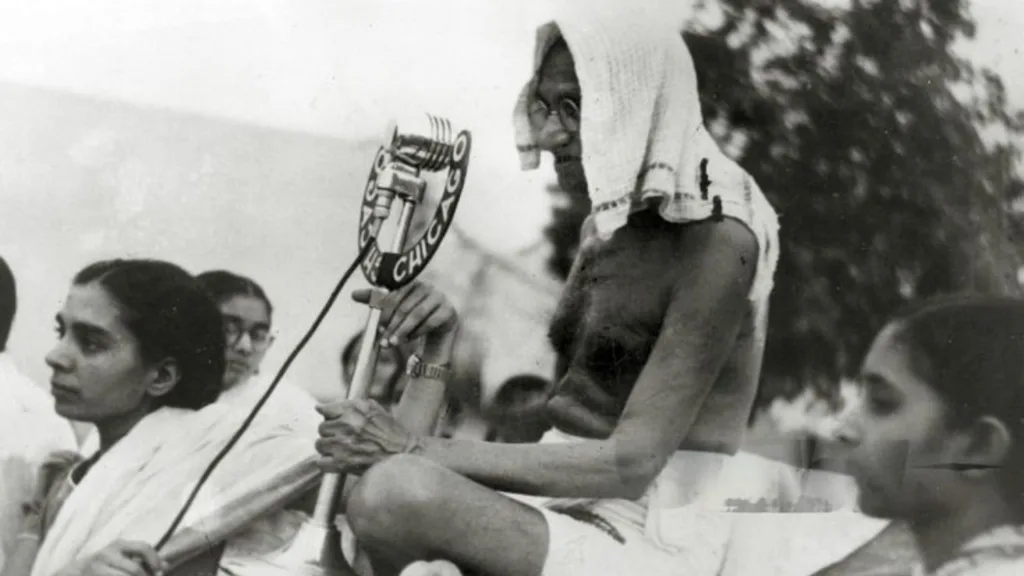
2nd October is remembered as the birth anniversary of Mahatma Gandhi. Khadi is closely connected with Gandhi’s public life and his promotion of Swadeshi. But today’s revival is not simply a repeat of the freedom movement.
A young person buying a Khadi shirt in 2026 may be doing it because they like the cut, fabric or brand. Someone else may care about Indian craftsmanship. Another buyer may be interested in buying fewer synthetic clothes. The reason can be very different. This is what makes the current Khadi story interesting. The fabric has stayed connected to its history, but the reasons people wear it are changing.
Khadi Was Never Just Another Fabric
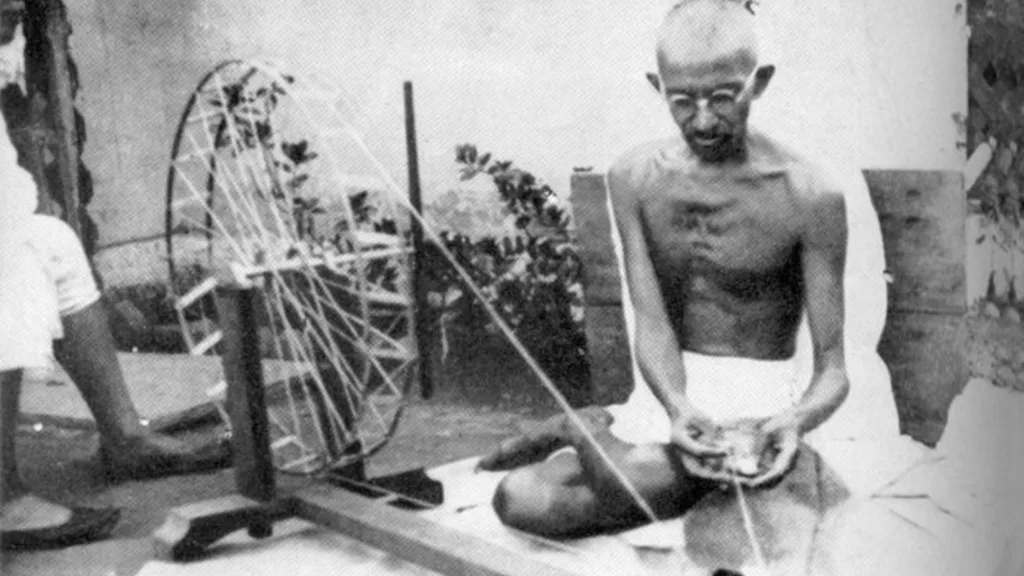
Khadi became closely linked with Gandhi and India’s freedom movement. Gandhi promoted spinning and wearing Khadi as part of the Swadeshi movement. The idea was tied to local production, self-reliance and support for Indian workers.
The history still matters today. But for years, Khadi also carried a very specific image. People associated it with white kurtas, government offices, political leaders and formal occasions. That made it difficult for younger shoppers to see it as everyday fashion. Now, designers are giving the fabric a different look.
Is Khadi the Same as Handloom?
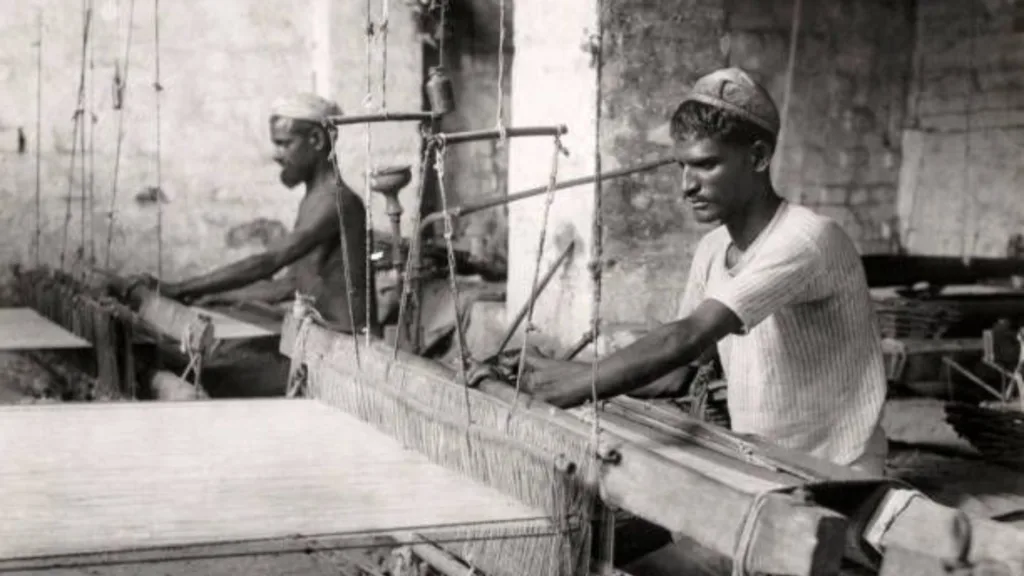
Not exactly. This is worth clearing up because the two terms are sometimes used as if they mean the same thing.
- Khadi refers to fabric woven using handspun yarn.
- Handloom refers to fabric woven on a hand-operated loom.
So, handloom is a wider category. Khadi has its own production process. The two can overlap, but they are not interchangeable terms.
So, What Changed?
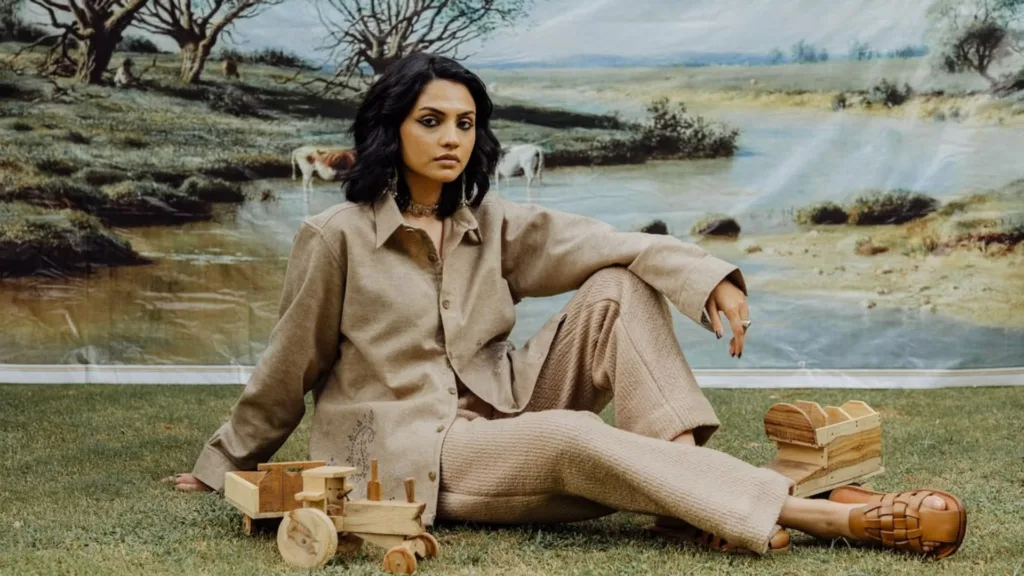
The biggest change is probably how Khadi is being presented. Instead of selling it only as traditional clothing, designers are using it in newer cuts and outfits.
The January 2026 fashion feature in Mint highlighted contemporary Khadi pieces such as patchwork tops, deconstructed skirts, Khadi denim trousers and other modern designs.
The Fashion Design Council of India also showcased Khadi at New Zealand Fashion Week in August 2026. The collections included contemporary menswear, structured tailoring and modern silhouettes. That matters because the fabric itself has not suddenly changed.
The way people are wearing it has. A young person doesn’t have to wear traditional Khadi to wear Khadi. It can be a shirt with jeans, a jacket over a basic outfit or a dress with sneakers. That makes the fabric easier to fit into everyday wardrobes.
How Is Gen Z Looking at Indian Textiles Differently?
There is also a wider change happening around Indian textiles. Young Indians are showing more interest in handloom, regional fabrics and traditional weaving techniques. A recent Economic Times report noted renewed interest among younger buyers and pointed to social media and independent labels as factors helping handloom textiles reach a younger audience.
This is important for Khadi because it is part of the larger Indian textile story. Someone who starts exploring handloom sarees, block-printed prints or regional fabrics may also come across Khadi brands and designers. Social media makes this easier. A person no longer has to visit a traditional textile shop to see these fabrics. They can find a small Indian label through Instagram, see how a shirt is styled and order it online. The discovery process has changed.
How Is Khadi Fashion Moving Beyond the White Kurta?
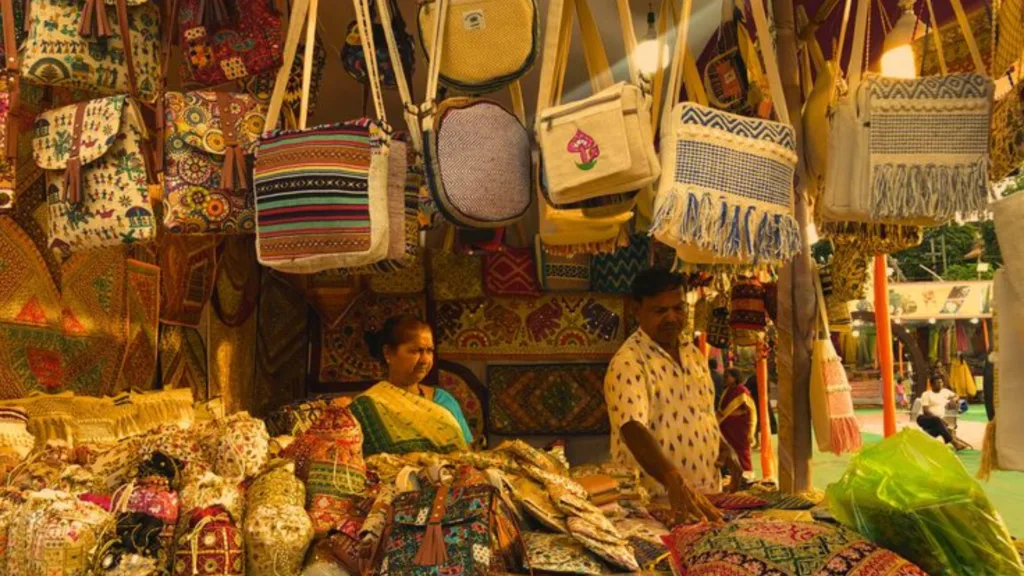
The old image of Khadi was quite limited. Today, the conversation is much wider. Khadi can now be seen in:
- Shirts
- Trousers
- Jackets
- Dresses
- Skirts
- Co-ord sets
- Bags
- Home linen
- Home decor
The Khadi India Pavilion at Bharat Tex 2026 also presented contemporary clothing, home linen, home decor, and newer Khadi products aimed at younger consumers. This gives Khadi a place in lifestyle, not just traditional clothing. That is a big shift.
How Are Indian Textiles Reaching Younger Audiences?
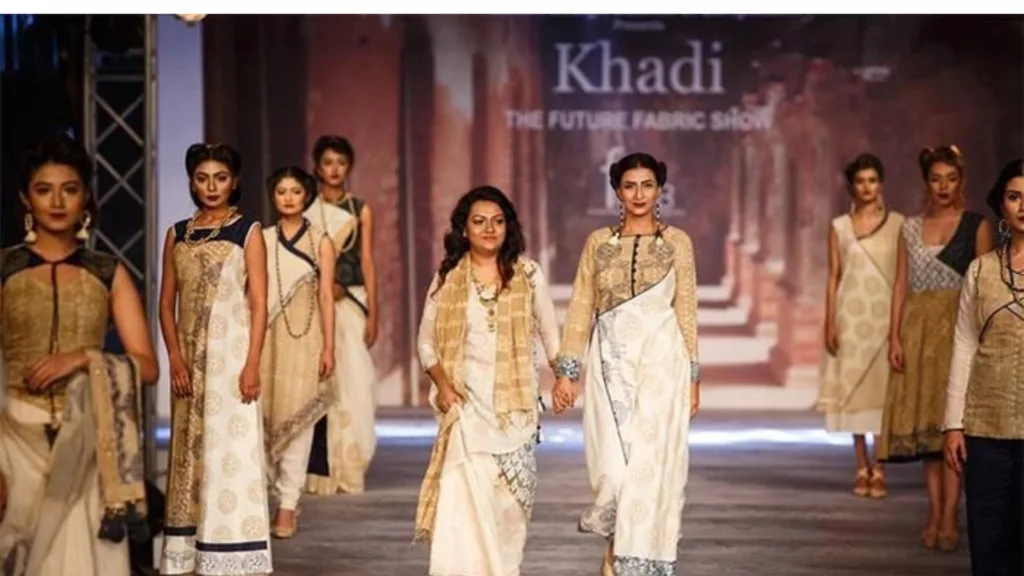
Social media is giving old fabrics a new language. Traditional textile promotion was once built around exhibitions, shops, and newspaper advertisements. Now a fabric can become part of an outfit reel. Someone can show three ways to wear a Khadi shirt. A creator can pair a handloom saree with sneakers. A small fashion label can explain how its fabric was made through a short video. That makes textile history easier to understand.
Khadi’s current youth outreach is also moving in this direction. In September 2026, KVIC announced plans involving campus outreach, Khadi fashion walks and social-media challenges aimed at understanding what Gen Z wants to wear.
This is a sign that the conversation around Khadi is no longer limited to older consumers.
Can Khadi Become an Everyday Choice for Young Indians?
The renewed interest is clear, but keeping that interest alive is a different challenge. Young buyers also care about price, comfort, fit, colour, availability, and easy online shopping. A fabric can have a great history and still be ignored if the clothes do not fit modern wardrobes.
Gandhi Jayanti gives Khadi a historical context, while young consumers are giving it a new place in everyday fashion. Khadi’s story is still being written. This time, young Indians are becoming part of it.