Table of Contents
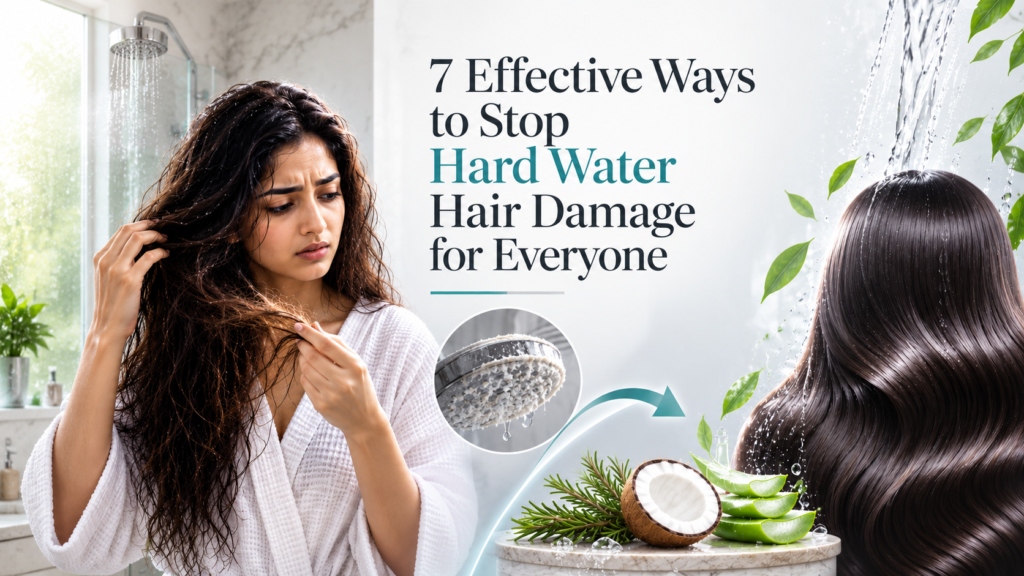
People are investing in premium shampoos, nourishing hair masks, and expensive hair serums. But the irony is that hairfall refuses to slow down. The real reason is probably not sitting inside the bottle on your bathroom shelf. There are high chances that it is flowing straight out of your tap. It is hard water.
Hard water affects millions of households across India. Cities and towns receive water that contains high levels of dissolved minerals like calcium and magnesium. These minerals seem harmless for drinking, but frequent exposure takes a serious toll on hair health.
If you notice persistent hairfall, rough strands, dull texture, or excessive breakage despite following a good haircare routine, hard water must be addressed. It’s essential to understand the connection between hard water, hair damage, and hairfall for your own good and the health of your hair.
What Is Hard Water?
Hard water contains a high concentration of minerals, mainly calcium and magnesium. Groundwater absorbs these minerals before reaching homes because it travels through rocks and soil.
Large parts of India experience moderate to very high-water hardness. Residents in cities like Bengaluru, Delhi, Jaipur, Hyderabad, Chennai, and many regions across Rajasthan, Uttar Pradesh, Haryana, and Karnataka frequently report hard water issues.
You can spot hard water in your bathroom itself through white deposits on taps, stubborn stains on buckets, when soap refuses to lather properly, and scaling on showerheads point towards hard water. The same minerals that leave marks on bathroom fittings also settle on your scalp and hair.
How is Hard Water Damaging Your Hair?
Hair strands carry a protective outer layer which is called the cuticle. Hard water minerals gradually accumulate on this layer after repeated washes. This mineral coating changes the texture of hair in several ways.
- Hair feels rough instead of smooth.
- Shampoo struggles to clean the scalp completely.
- The conditioner cannot penetrate the hair shaft properly.
- Hair loses softness and shine.
- Knots become more frequent.
- Breakage increases during combing.
Over several weeks or months, this mineral buildup contributes to serious hair damage. People sometimes mistake this damage for poor nutrition or seasonal shedding. Hard water deserves equal attention because daily exposure continues throughout the year.
Can Hard Water Cause Hairfall?
This question appears frequently among dermatologists and hair experts. Current scientific research does not identify hard water as a direct cause of hair loss. However, hard water can contribute significantly to hairfall through another pathway. That is, the mineral deposits make hair brittle.
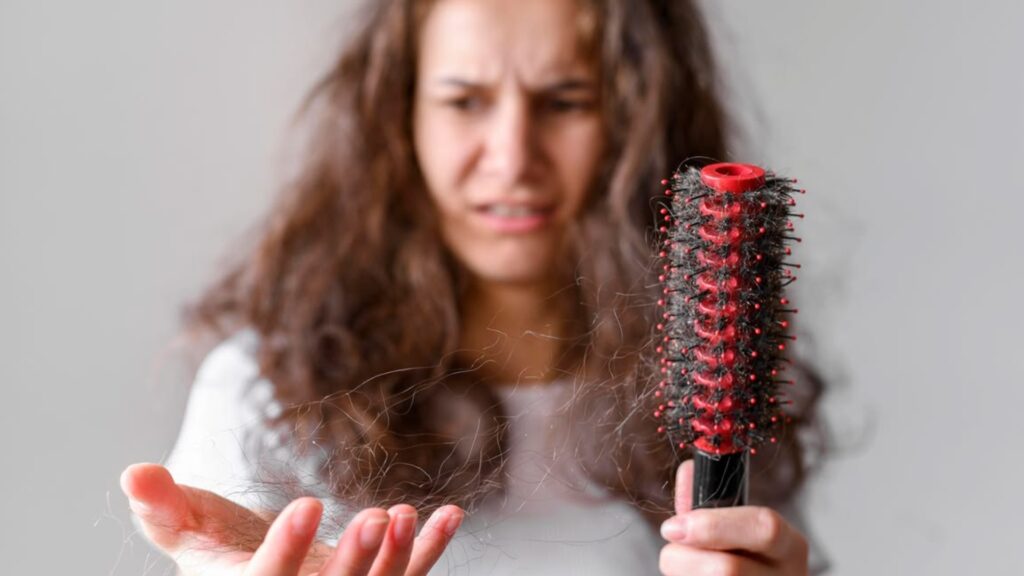
Brittle hair breaks easily during washing, towel drying, combing, and styling. Many people describe this as severe hairfall because broken strands accumulate in the drain or on the hairbrush. Hard water can also leave residue on the scalp. A scalp covered with mineral deposits, excess oil, and leftover shampoo can become itchy or irritated. And if you constantly scratch it, it worsens existing scalp problems and increases hair breakage.
In simple words, hard water may not destroy the hair root directly, but it can accelerate hair damage and increase noticeable hairfall through continuous breakage.
Signs That Hard Water Affects Your Hair

There are many symptoms that develop gradually, which makes identification difficult. You may notice:
- Hair feels stiff after every wash.
- Ends split faster than before.
- Hair tangles easily.
- Shine disappears.
- The scalp feels dry or itchy.
- Shampoo needs larger quantities.
- Conditioner delivers disappointing results.
- Hair colour fades quickly.
- Hair breaks during combing.
- Hairfall increases despite using suitable hair products.
If several of these signs appear after moving to a new city or changing your water source, it becomes very important to investigate hard water.
Read Also: Best Tips for Glowing Skin
Why Hard Water Creates Bigger Problems in India?
Indian hair already faces multiple environmental challenges. Strong sunlight, dust, humidity, sweat, pollution, frequent oiling, heat styling, chemical treatments, and irregular washing schedules place continuous stress on the scalp and hair.
Hard water adds to the stress. Long hair, which many Indians prefer, experiences greater friction during washing. Curly and textured hair also faces greater difficulty because mineral buildup settles deep within the strands.
The hair of people who colour, bleach, smooth, straighten, or chemically treat their hair is more prone to damage after repeated washing with hard water.
How to Check If Your Home Has Hard Water?
Fortunately, there are several methods that can help you identify water hardness.
- You can get a home water testing kit. It provides accurate information.
- Local municipal authorities or private laboratories also perform water quality testing.
- Simple household observations also help, like soap refuses to foam properly, white scaling appears on taps and bathroom tiles, kettles develop chalky deposits, glassware carries white spots after drying, and hair feels rough immediately after washing.
These signs strongly indicate hard water.
What are the Simple Ways to Stop Your Hairfall?
You do not need to practice expensive salon treatments for managing hard water. Small changes in daily habits produce meaningful results over time.
- Install a Shower Filter: A shower filter ranks among the most practical solutions for households with hard water. Some filters lower mineral content and remove additional impurities before water reaches your hair. All you need to do is replace the cartridge regularly.
- Use a Clarifying Shampoo Occasionally: Clarifying shampoos remove stubborn mineral buildup. This is something that ordinary shampoos fail to wash away. One wash every few weeks goes for many people. Excessive use is likely to dry the scalp, so moderation matters.
- Rinse Your Hair with Filtered or RO Water: You can collect filtered water for the final rinse after shampooing. This actually works, and washes away leftover minerals and leaves hair softer.
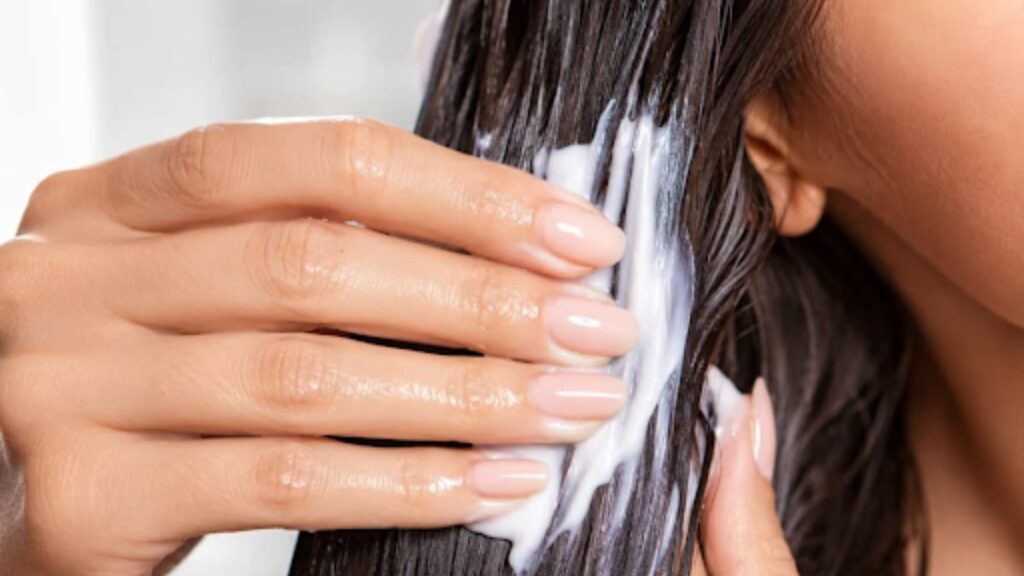
- Deep Conditioning: Hard water is strong enough to strip softness from your hair. You can use a nourishing conditioner or hydrating hair mask. It replenishes moisture and makes strands easier to comb. Healthy hydration also lowers breakage.
- Dry Hair Gently: Rough towel rubbing weakens brittle strands further. You should rather pat hair gently with a soft cotton towel or microfiber towel. It is wise to allow natural drying whenever possible.
- Limit Heat Styling: Straighteners, curling irons, and high-temperature dryers place additional stress on mineral-coated hair. It is very important to understand that less heat means fewer chances of breakage.
- Trim Split Ends: Regular trims prevent damaged ends from travelling upward along the hair shaft. And it is a given fact that healthy ends also make hair look fuller.
You Hair Still Needs Nutrition
Hard water explains only one piece of the puzzle. In the current world, nutrient deficiency is the primary reason for our hairfall problem. Iron deficiency, thyroid disorders, vitamin deficiencies, hormonal imbalance, chronic illness, stress, poor sleep, and genetics also contribute to hairfall.
A balanced diet rich in protein, iron, zinc, healthy fats, vitamins, fresh vegetables, fruits, nuts, seeds, eggs, fish, legumes, and dairy nourishes healthy hair growth. Also, persistent or sudden hair loss requires medical evaluation with no more delay.
Read Also: Natural DIY Scrubs for Glowing Winter Skin
Common Myths About Hard Water and Hair
Myths are meant to be busted. We cannot believe everything we hear. It’s time to separate fact from fiction and protect your hair the right way.
Myth 1: Hard water permanently destroys hair: Hair responds positively after mineral buildup disappears and proper haircare begins.
Myth 2: Expensive shampoo solves everything: Premium products cannot fully overcome continuous exposure to mineral-rich water.
Myth 3: Hair oil alone prevents hard water damage: Hair oil nourishes strands, but it cannot stop mineral deposits during washing.
Myth 4: Only chemically treated hair suffers: Natural hair also develops dryness, brittleness, and hair damage after long-term exposure to hard water.
Recover Your Hair Damage
Hard water affects our daily life. Serious hairfall, rough texture, dullness, and hair damage have a direct connection with the water flowing through your shower. Simple observations, timely water testing, suitable washing habits, occasional clarifying treatments, proper conditioning, and a shower filter can make a noticeable difference over time.
Hair health depends on several factors, like nutrition, medical conditions, genetics, and daily care. Hard water deserves a place on that list. If your hair continues to lose softness and sheds more than expected despite a consistent routine, your tap water may deserve closer attention. Small changes today can protect hair for the long term and help you regain healthier, stronger strands.