Table of Contents
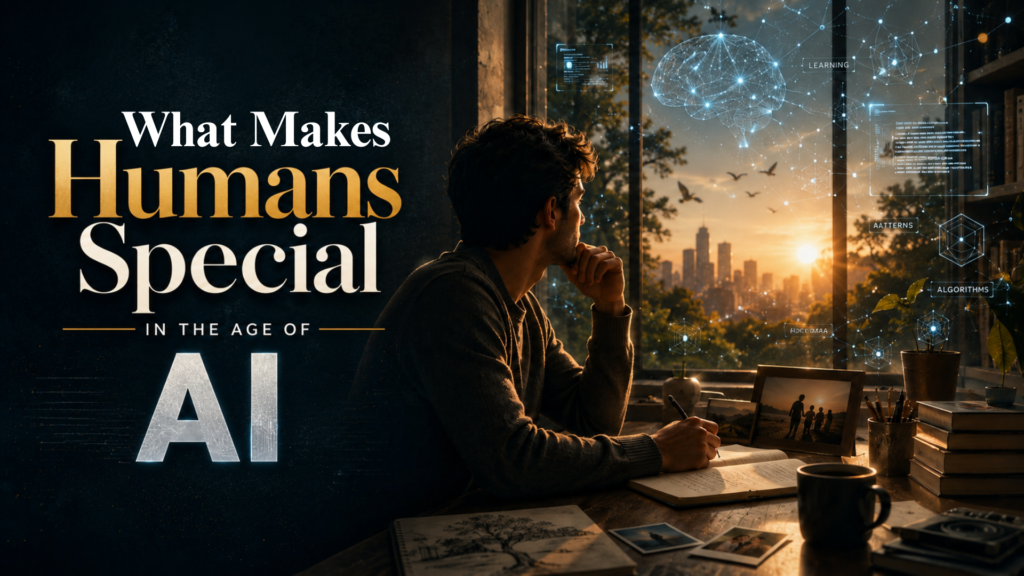
A few years ago, artificial intelligence was like something straight out of a science-fiction movie. Today, it does everything. It writes emails, generates images, solves complex problems, translates, analyses data, and in fact helps doctors and engineers. Every few months, a new AI tool arrives and leaves people wondering the same thing, “If AI can do everything better, what will humans do?”
The debate around AI vs human has become one of the biggest conversations of our time. People wonder if machines will eventually outperform us in every area of life. It is a fair question though. News headlines talk about automation and job disruption. People have started feeling nervous. But before we worry about becoming irrelevant, we should remember one important fact, that humans built AI.
Every machine-learning model, and every breakthrough came from human curiosity, imagination, and effort. It is the human mind that brought it into existence. And this fact alone tells us something important about our place in the world.
1. AI has Intelligence of its Own but Lacks Cognitive Ability
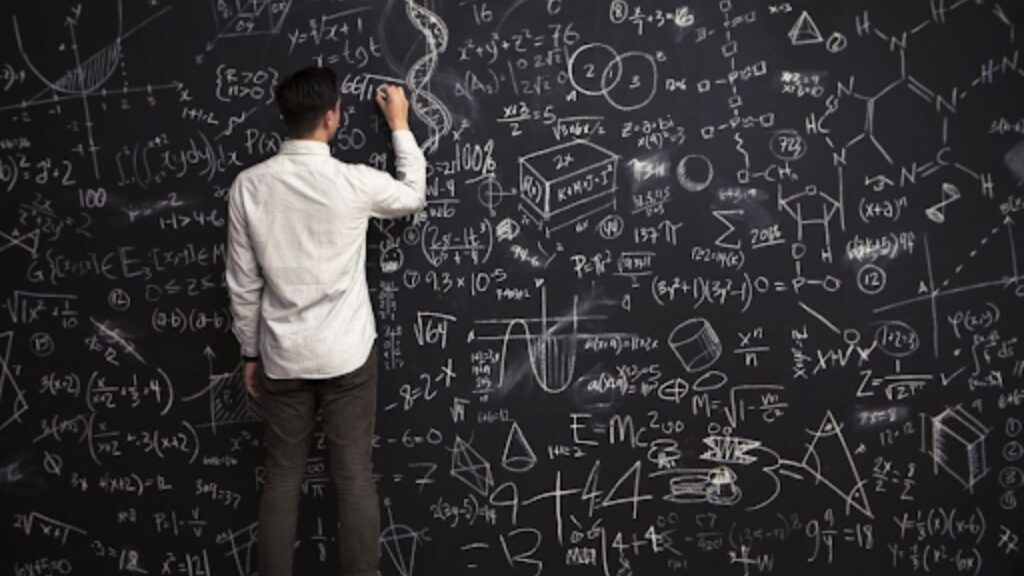
Artificial intelligence can process huge amounts of information in seconds. It can identify patterns, make predictions, solve mathematical problems, and address complex topics. In many situations, AI can outperform humans in speed and accuracy. However, intelligence and cognition are not the same thing.
Human understanding draws on understanding the world through awareness, reasoning, reflection, and lived experience. Yes, it’s true that humans do learn through data. But they also learn through relationships, mistakes, emotions, culture, and personal growth. And that’s bigger than any other thing. Because experiences shape judgment and future decisions.
AI does not have that kind of understanding. It does not know what success feels like after years of hard work. It does not understand disappointment, sacrifice, or pride. It processes information based on patterns in data rather than conscious thought. This is where the AI vs human discussion becomes more nuanced. Raw intelligence and genuine understanding are not the same thing.
Also Read: Future Jobs in AI Era
2. AI is Mechanical but Lacks in Human Experience

Everything AI knows comes from the information humans provide. It learns from books, images, videos, and countless other sources created by people. Humans, conversely, learn through life itself.
A person remembers their first day at school, first friendship, a difficult failure, a family celebration, or a life-changing journey. These experiences leave the impact on how they think, make decisions, and view the world.
AI does not have memories in that sense. It does not celebrate achievements, feel nervous, or experience grief. It cannot build wisdom through life events because it does not live a life. This difference becomes especially important in creative fields. A novelist can write about heartbreak because they have experienced loss. A musician can compose a song inspired by personal struggles. A painter can capture emotions rooted in real memories.
AI can only imitate these expressions by recognizing patterns in existing works. Humans bring authenticity because they draw from actual experiences. That human perspective gives depth to art, storytelling, leadership, and communication.
3. AI can Recognize Emotions but Lacks in Empathy

Modern AI systems can identify emotional cues in text, speech, and facial expressions. They can detect when someone sounds happy, frustrated, anxious, or excited. They can also generate responses that appear caring and supportive. Sounds eerie? But recognizing emotions is different from feeling empathy. And that is something only humans are capable of.
Empathy involves understanding and sharing another person’s emotional experience. It requires real emotional awareness and the ability to connect on a human level. For example, a friend who has gone through a difficult period in life can understand your struggles. Because they themselves might have faced similar challenges. Their support comes from personal experience and emotional understanding.
You need to note that AI cannot experience sadness, happiness, fear, love, or compassion. It only follows certain patterns linked with those emotions. And then generate responses that match them. That is why AI can only mimic empathy so well in many situations. But it cannot truly feel concern for another person. When people face major emotional struggles, they still turn to other humans. Human empathy provides something that pattern recognition never can.
Read Also: AI Courses After 12th
4. AI exists to Perform but Humans look for Connection and Meaning

AI can execute multiple tasks, and saves time. Its value comes from performance, efficiency, and problem-solving. Humans seek something much deeper. People look for purpose in their careers. They build friendships. They fall in love. They form families and traditions. They search for identity, belonging, and meaning.
A machine can help someone plan a wedding, but it cannot understand why the wedding matters. A machine can recommend a song, but it cannot feel the memories attached to it. A machine can also help write a speech, but it cannot experience the pride of delivering it.
Human life revolves around relationships and experiences that extend far beyond productivity. Success for people does not come only from completing tasks. It also comes from meaningful conversations, personal growth, and contributions to others.
The Future Still Belongs to Humans
This is why AI works best as a tool rather than a substitute for human life. It can assist with the practical side of living, but humans bring meaning to the world around them. Perhaps the real conversation should not revolve around AI vs Human at all. Instead, it should focus on how humans can use AI responsibly to achieve more than either could accomplish alone.
Every invention, consisting of AI, exists because human curiosity, imagination, and determination pushed the boundaries of what was possible. As technology continues to evolve, those very qualities will continue to shape the future and give it purpose.