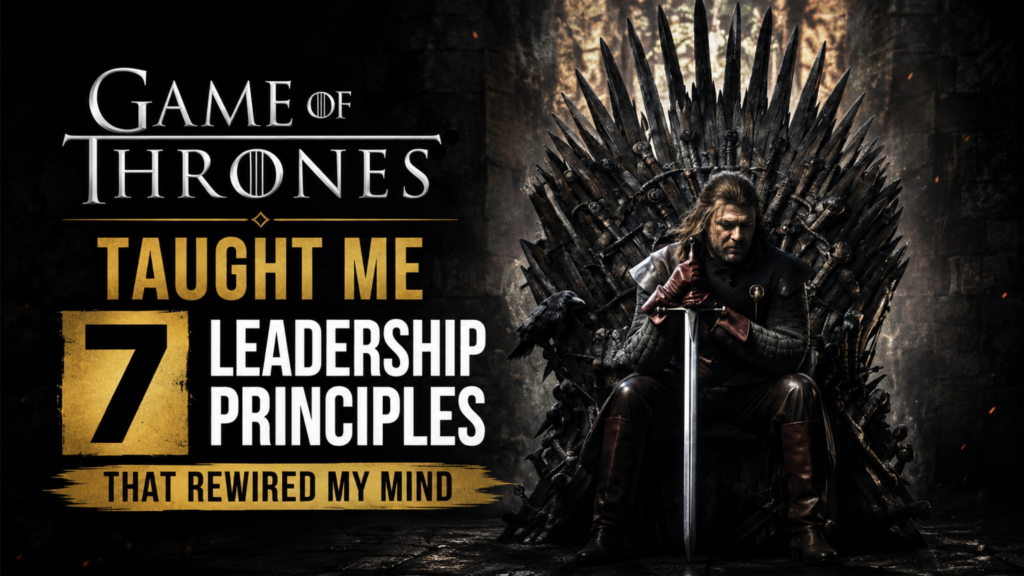
Most people watch Game of Thrones for the battles, betrayals, and dragons. But beneath all the chaos sits something far more interesting. The story is really about the way people think. Every major figure in Westeros faces impossible situations. Some rise above them. Others collapse under pressure. Some build alliances and earn loyalty. Others lose everything despite having power, wealth, and influence.
The difference rarely comes down to strength. It comes down to mindset. That is what makes Game of Thrones such an interesting lens for understanding human behaviour. Each major figure represents a different way of approaching problems, opportunities, and uncertainty.
The fascinating part is that these thinking patterns exist outside fiction too. You can spot them in boardrooms, classrooms, businesses, friendships, and daily life. So, if you want to train your mind to think differently, Westeros has a few lessons worth paying attention to.
1. Tyrion Lannister and First-Principles Thinking
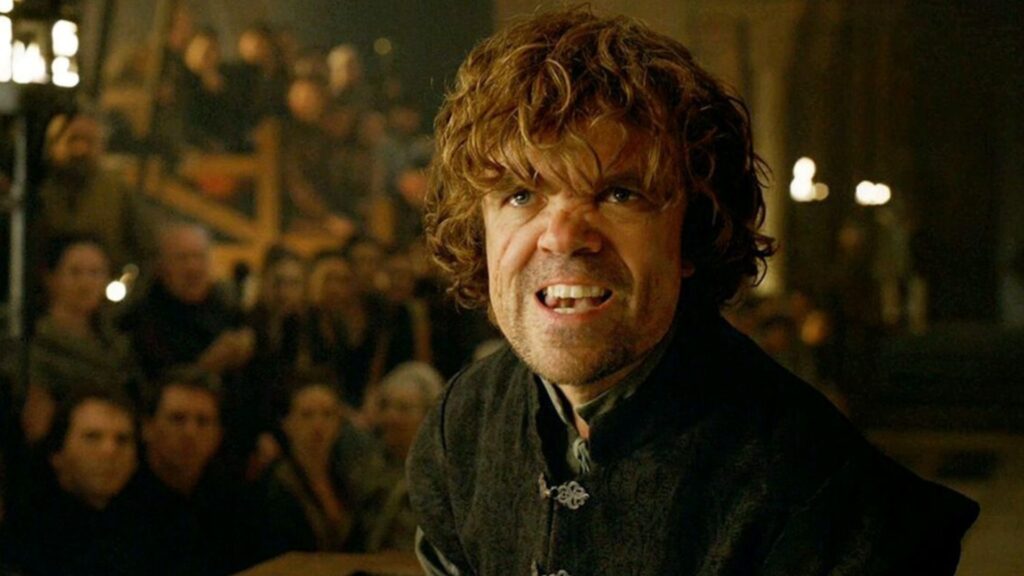
Tyrion Lannister entered life with disadvantages that many people would struggle to overcome. Despite belonging to one of the most powerful families in the Seven Kingdoms. He spent years dealing with judgment and ridicule. People underestimate him before he speaks a single word.
Yet Tyrion consistently outsmarted people who possessed greater influence and authority. His secret was simple. He questioned assumptions. Most people accept the world as it is presented to them. They hear statements like ‘that’s impossible’ or ‘that’s how things have always been done’ and move on.
Tyrion rarely accepted easy answers. He examined situations carefully. He looked beneath the surface. He searched for explanations that others overlooked. That habit helped him solve problems differently. Many people trap themselves inside assumptions they never challenge. They believe they are too inexperienced, too old, too young, or too late.
A different mindset begins with a different question. Instead of asking, ‘Why can’t I do this?’ ask, ‘What is actually stopping me?’ The answer is often smaller than you expect.
2. Arya Stark and Adaptive Thinking
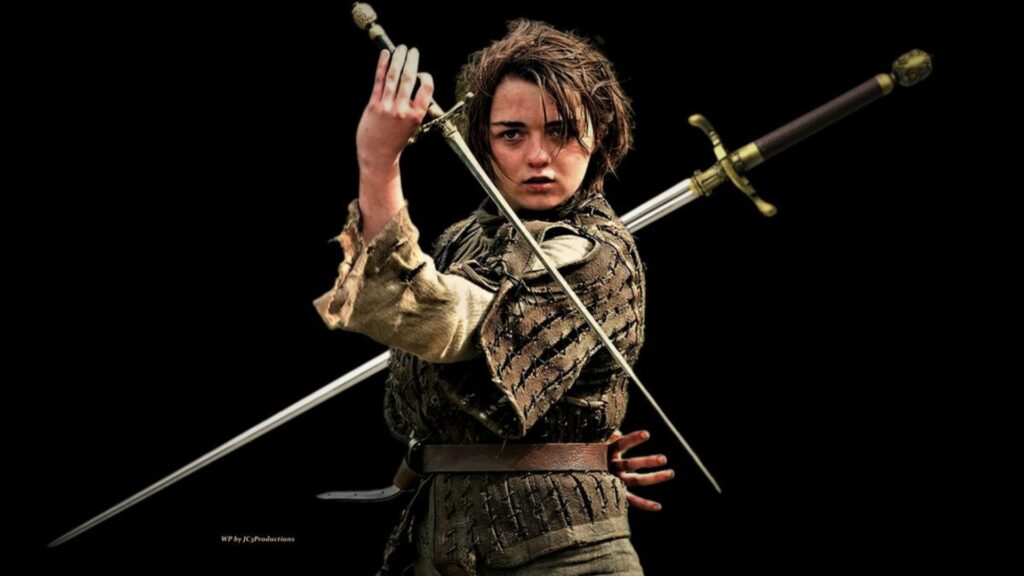
Arya Stark survives because she refuses to stay the same. Every stage of her journey teaches her something new. She learns sword fighting, survival skills, discipline, patience, and observation. Many characters spend the series protecting their identities.
Arya keeps expanding hers. That difference changes everything. In real life, many people become attached to labels. ‘I’m not good with technology.’ ‘I’m not a leader.’ ‘I’m not creative.’ The problem with labels is that they quietly shape future decisions.
Arya never allows herself to become trapped inside a fixed definition. She remains curious. She remains open to learning. That mindset becomes a major advantage. The world changes quickly. New industries emerge. Old skills lose relevance.
Fresh opportunities reward people who continue learning. Adaptability has become one of the most valuable skills a person can develop. Arya’s story reminds us that growth starts the moment we stop defining ourselves by who we were yesterday.
3. Jon Snow and Values-Based Thinking
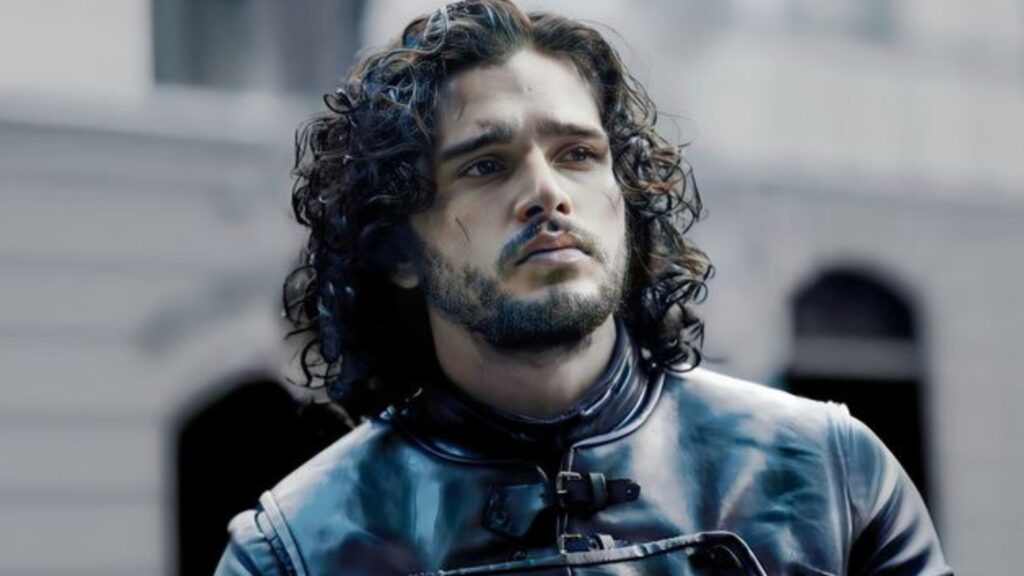
Jon Snow spends much of the series facing difficult choices. Many of those choices make him unpopular. People disagree with him. Some question his judgment. Others see his decisions as mistakes.
Yet Jon keeps returning to the same foundation. His values. He focuses on what he believes is right rather than what earns immediate approval. That approach sounds simple until you apply it in real life.
Many decisions become complicated because people focus on pleasing everyone around them. Friends have opinions. Family members have expectations. Colleagues have agendas. Soon, external approval becomes more important than personal conviction.
Jon’s story highlights an important truth. Popularity and wisdom are not the same thing. Sometimes the right decision attracts criticism. Sometimes integrity carries a cost.
Strong values act like a compass during uncertain moments. They help you navigate confusion and remain consistent when circumstances change. People who know what they stand for spend less time second-guessing themselves.
4. Bran’s Stark and System Thinking
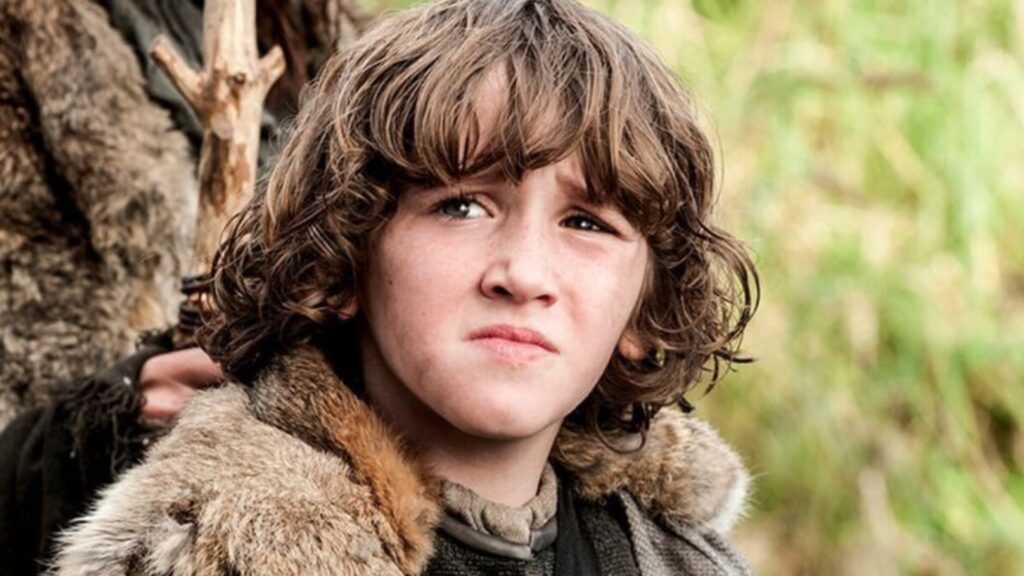
Bran’s transformation is unlike anyone else’s. His perspective expands far beyond immediate events. He begins seeing connections that others miss. He focuses on patterns. That is the essence of systems thinking. Imagine someone struggling with productivity. Their first instinct is to blame motivation.
A closer look reveals something different. Poor sleep affects energy. Low energy affects concentration. Weak concentration affects work quality. Work-related stress affects sleep. Every issue connects to another.
Many people spend years treating symptoms because they never examine the larger system.
Bran’s journey reminds us that the bigger answers often require a wider perspective. When you step back and examine connections, problems begin to look very different. And once you understand the system, meaningful solutions become easier to identify.
5. Daenerys Targaryen and Visionary Thinking
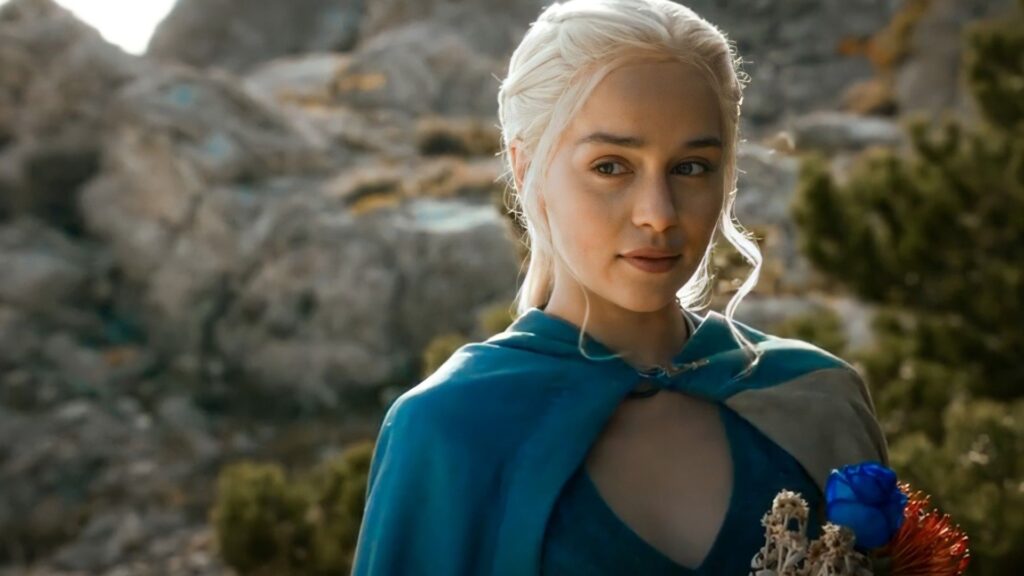
Before Daenerys had armies or dragons, she had a vision. She saw possibilities long before anyone else believed in them. At the start of her story, there was very little evidence that she would become one of the most powerful figures in the world. Yet she continued moving towards a future that existed only in her imagination.
Many people allow present circumstances to define future possibilities. They look at today’s reality and assume tomorrow will look the same. Visionary thinkers reject that idea. They understand that every achievement begins as an idea.
Every company starts with a concept. Every meaningful goal starts as a picture in someone’s mind. Daenerys teaches an important lesson. Current circumstances do not have the final word.
People who can imagine a larger future often achieve things that once seemed impossible. The ability to see beyond today’s limitations can change the direction of an entire life.
6. Littlefinger and Strategic Thinking
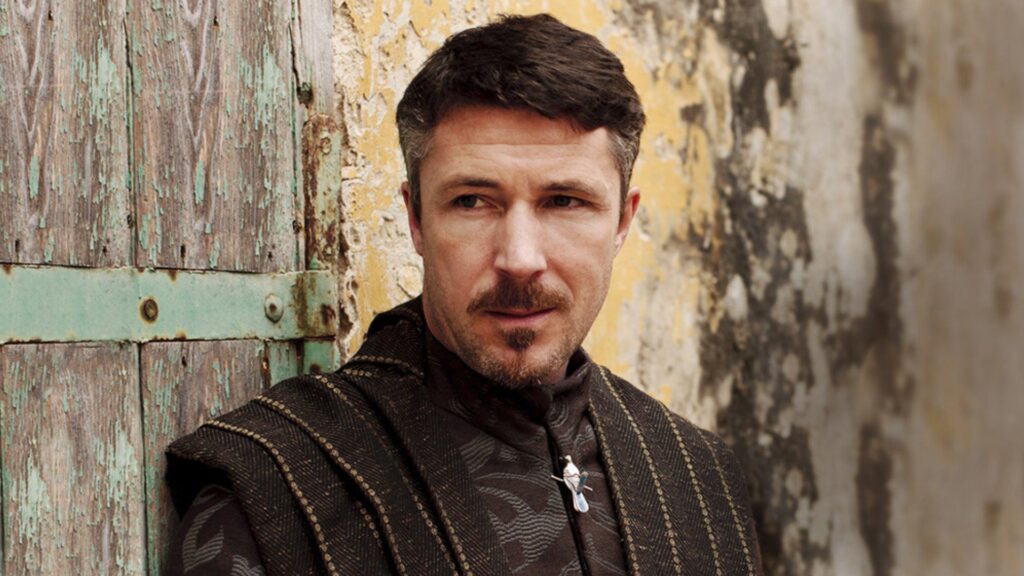
Few minds in Westeros operate like Littlefinger’s. He constantly studies people. He pays attention to motivations, fears, and desires. Then he plans several moves ahead. That habit gives him influence far beyond his official position. Now, his methods are not something worth copying. His thinking process, however, contains valuable lessons.
Many people focus only on immediate outcomes. They make decisions based on short-term rewards and instant gratification. Strategic thinkers take a different approach. They ask questions about future consequences.
Where will this decision lead? What opportunities could emerge later? What risks am I overlooking? This type of thinking encourages patience. It encourages preparation. It encourages long-term planning.
A single decision can shape your career finances, relationships, and opportunities for years. Looking ahead helps you avoid mistakes that seem harmless in the present. That is why strategic thinking remains such a powerful skill.
Must Read: Best OTT Shows for Weekend Binge-Watching
7. Cersei Lannister and Fear-Driven Thinking
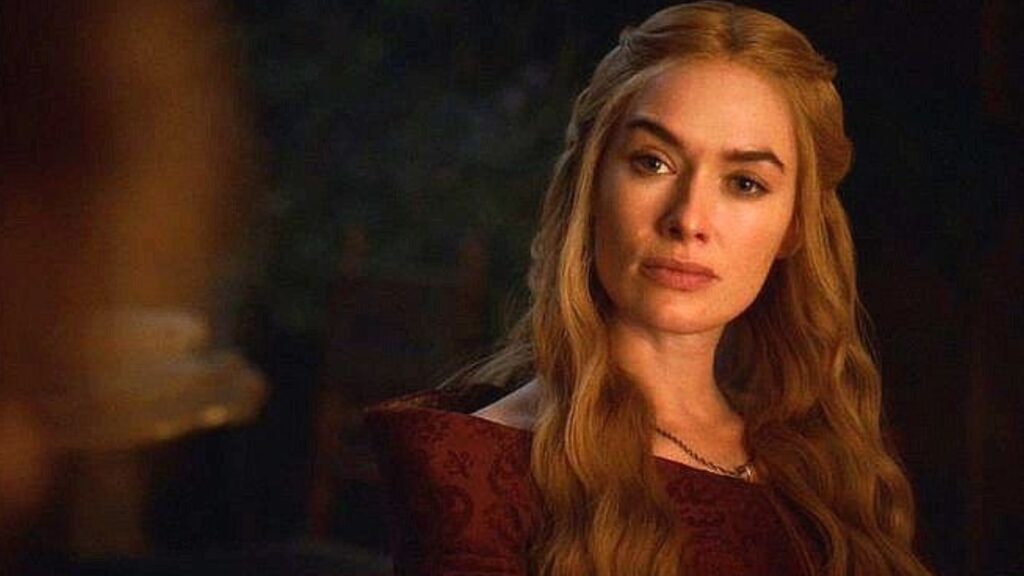
Cersei Lannister is intelligent, determined, and politically aware. Yet one pattern repeatedly influences her decisions. Fear. She constantly anticipates threats. She expects betrayal. She assumes danger sits around every corner. That mindset narrows her perspective.
Fear does the same thing in everyday life. It convinces people to stay inside familiar routines. It persuades them to avoid risks. It encourages hesitation during moments that require action. Many opportunities disappear because fear speaks louder than logic.
People avoid conversations they need to have. They reject challenges that could help them grow. They remain stuck in situations that no longer serve them.
Fear itself is not the problem. Everyone experiences fear. The real danger begins when fear becomes the primary decision-maker. Recognising fear-driven thinking is the first step toward moving beyond it.
Conclusion: Lead, Decide, Grow in Game of Thrones Style
Game of Thrones was never just about battles and power struggles. It showed how different ways of thinking shaped people’s choices and futures. Tyrion, Arya, Jon, Bran, Daenerys, Littlefinger, and Cersei each approached challenges differently. Their stories reveal valuable lessons about mindset, growth, and decision-making. Sometimes, changing your life starts with changing the way you think.