Nobody starts yoga thinking it will change anything. You roll out the mat because your back hurts. Or because a friend wouldn’t stop talking about it. Or because January made you ambitious and June made you guilty.
The first session is awkward. The second one is slightly less awkward. By day five, you’re wondering why you waited this long. That’s the thing about a 30-day yoga practice. The changes don’t announce themselves. They show up quietly and stay.
June 21 is International Yoga Day. The longest day of the year. The best possible day to start a 30-day experiment on yourself.
Why 30 Days and Not Just Yoga Day?
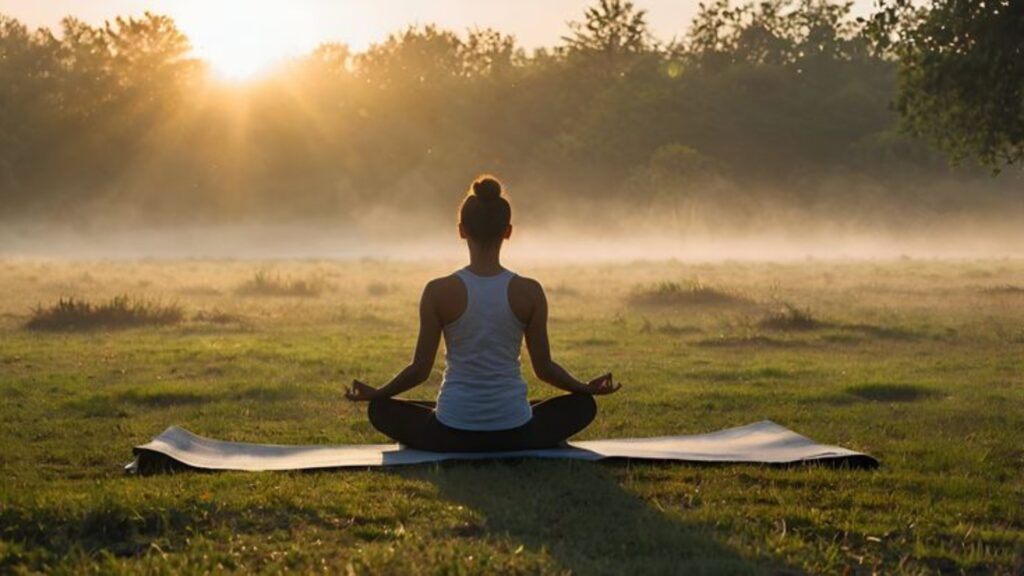
One session on June 21 feels good. Two days later, it’s forgotten. The body needs repetition before anything sticks. Thirty days is the minimum window where real shifts happen physically and mentally, in daily routine.
It’s not about becoming a yoga person. It’s about giving the practice enough time to show you what it actually does. One day proves nothing. Thirty days prove everything.
Week One-The Body Pushes Back
Days 1 to 7: Everything is Harder Than It Looks
Day one is humbling. Poses that look simple in videos expose every tight muscle in the body. The hamstrings protest. The hips are locked. Balancing on one leg lasts about four seconds before something wobbles.
This is completely normal. The body has been sitting at a desk, sleeping in the same position, and moving in the same patterns for years. Asking it to do something different creates resistance. That resistance is the whole point. By day three, the soreness peaks. Muscles that haven’t been used in months make their presence known.
By day five, something small shifts. The stiffness in the morning is slightly less. Getting off the floor is marginally easier. The body is beginning to respond.
What to Do in Week One
- Keep sessions short. Fifteen to twenty minutes is enough. The goal in week one is simply to show up.
- Quality comes later. Hatha yoga works best here. Slow. Simple. No pressure to flow or hold anything for too long.
- Do not skip day three. That’s the day most people quit.
- The soreness peaks, and the benefits haven’t arrived yet. Push through day three, and the rest gets easier.
Week Two-Something Quality Shifts
Days 8 to 14: The Body Starts Cooperating
The soreness fades around day eight. Something else takes its place. A looseness in the body that wasn’t there before. Sitting at a desk for four hours doesn’t produce the same stiffness. The lower back stops its afternoon protest.
Sleep changes in week two. Nothing dramatic. But falling asleep gets easier. Waking up in the middle of the night with a spinning mind happens less. The body has been worked and stretched, and it’s genuinely ready to rest. The breathing shifts too. Most people breathe into their chest all day. The breathing of someone running slightly behind on everything. Yoga teaches the body to breathe deeper. By day ten, it starts happening automatically. In a stressful meeting. In traffic. The breath drops lower, and the nervous system follows.
What Changes in Week Two
- Energy levels steady out. The afternoon crash that usually hits around 3 pm becomes less severe.
- Concentration improves. Not dramatically. But tasks that required effort to start become slightly easier to get into.
- The practice starts taking less mental effort to begin. The mat goes down without negotiation.
Week Three-The Mental Game Changes
Days 15 to 21: Yoga Gets Out of the Body and Into the Head
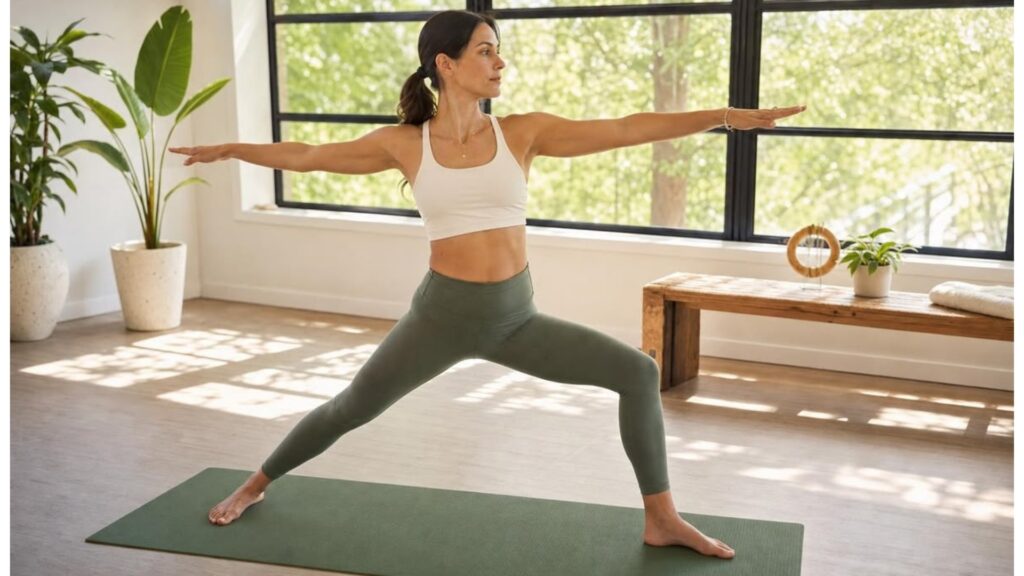
By day fifteen, the physical practice is no longer the hard part. The body has adjusted. Possessions that were impossible in week one is now accessible. Holding a position for five breaths doesn’t feel like survival anymore. The hardest thing now is what happens in the quiet.
Yoga forces stillness. Even in a moving Vinyasa practice, there are moments between poses where the mind has nothing to grab onto. For a lot of people, that’s uncomfortable. The brain reaches for the phone. Reaches for a to-do list. Reach for anything. Days Fifteen to twenty-one are where the real work happens. Learning to stay in that stillness without filling it.
What Happens Mentally in Week Three
- Anxiety drops. Not because the problems go away. Because the reaction to them changes. There’s a small gap between a stressful moment and the response to it. The gap is new. That gap is useful.
- Mood steadies. Not every day is good. But the bad days don’t spiral the way they used to.
- Clarity improves. Decisions that felt complicated feel more straightforward. The noise in the head drops a level.
International Yoga Day Falls Here-Day 21
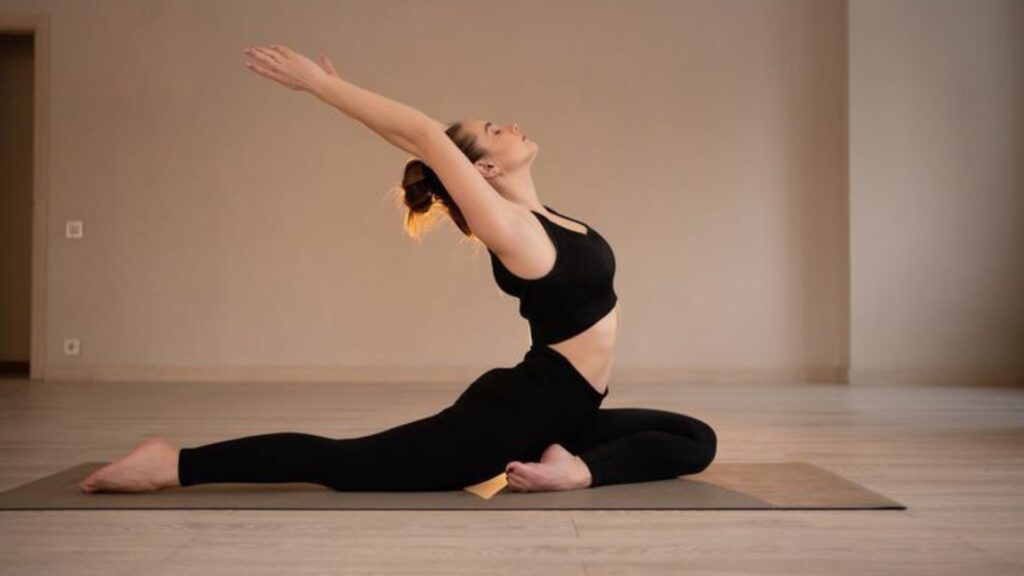
June 21 lands in week three of a 30-day practice started on June 1. That’s not a coincidence worth ignoring. By day 21, the practice is no longer new. It’s a habit. The mat goes down in the morning, the same way coffee gets made. Automatically. Without debate.
This is what International Yoga Day is actually about. Not the sunrise photo. Not the group session in the park. The quiet habit that exists on day 21 because someone started on day 1.
Week Four-The Habit is Real Now
Day 22 to 30: The Practice Belongs to You
Something interesting happens in week four. Missing a day feels wrong. Not in a guilty way. In the way that skipping breakfast feels wrong when the body is used to being fed. The practice has become something the body expects.
Poses that require full concentration in week one now happen with room to breathe. The physical changes are visible by now. Posture has improved. Shoulders sit further back. The spine is longer. People who see you regularly may not say anything specific, but there’s something different, and they notice it.
What the Body Looks Like at Day 30
- Flexibility has increased noticeably. Not split-level. But touching the floor with straight legs, which was impossible on day one, is now accessible.
- Core strength has built quietly. Planks last longer. Getting up from the floor requires less effort.
- The lower back pain that started this whole experiment is significantly reduced. Not gone in every case. But manageable. Under control.
What 30 Days of Yoga Does That Nobody Mentions?
The Changes That Don’t Show Up in Progress Photos
Everyone talks about flexibility and strength. Those are real. But they’re not the most significant changes.
- Holding a difficult pose teaches the brain that discomfort is temporary and survivable. That lesson transfers outside the mat. Hard conversations get easier. Difficult tasks get started faster.
- Twenty minutes of yoga before the phone gets checked means the day starts on your terms. Not on someone else’s notifications. That shift in how a day begins changes the entire tone of it.
- Most people spend very little time paying attention to their own bodies. Thirty days of daily movement changes that. Tension gets noticed faster. Rest gets prioritised sooner. The body stops being something that just carries the head around.
How to Start Your 30-Day Yoga Practice Today
June 21 is the Best Start Date of the Year
- No equipment needed for day one. A yoga mat is useful but a folded bedsheet on a firm floor works fine to begin.
- Search ’30 day yoga challenge for beginners’ on YouTube. Adriene Mishler’s series is free, structured, and genuinely good for first timers. Keep day one short.
- Twenty minutes maximum. The goal is to finish and come back tomorrow. Don’t exhaust yourself on day one and quit on day two.
- Do it at the same time every day. Morning works best for most people. The session happens before the day gets complicated.
- Do it badly on day one. Day two will be slightly better. Day thirty will be unrecognisable compared to day one.
This Yoga Day, Don't Just Post. Start.
June 21 comes once a year. The Summer Solstice. The longest day. International Yoga Day. 190 countries are observing the same practice on the same day. That’s a rare kind of collective energy. Worth using for something real. Thirty days from today is July 21. In thirty days, the back pain is quieter, the sleep is better, the mornings are different, and the mat goes down without a single argument. That’s what happens when you practice yoga every day for 30 days. The sunrise photo is still optional.